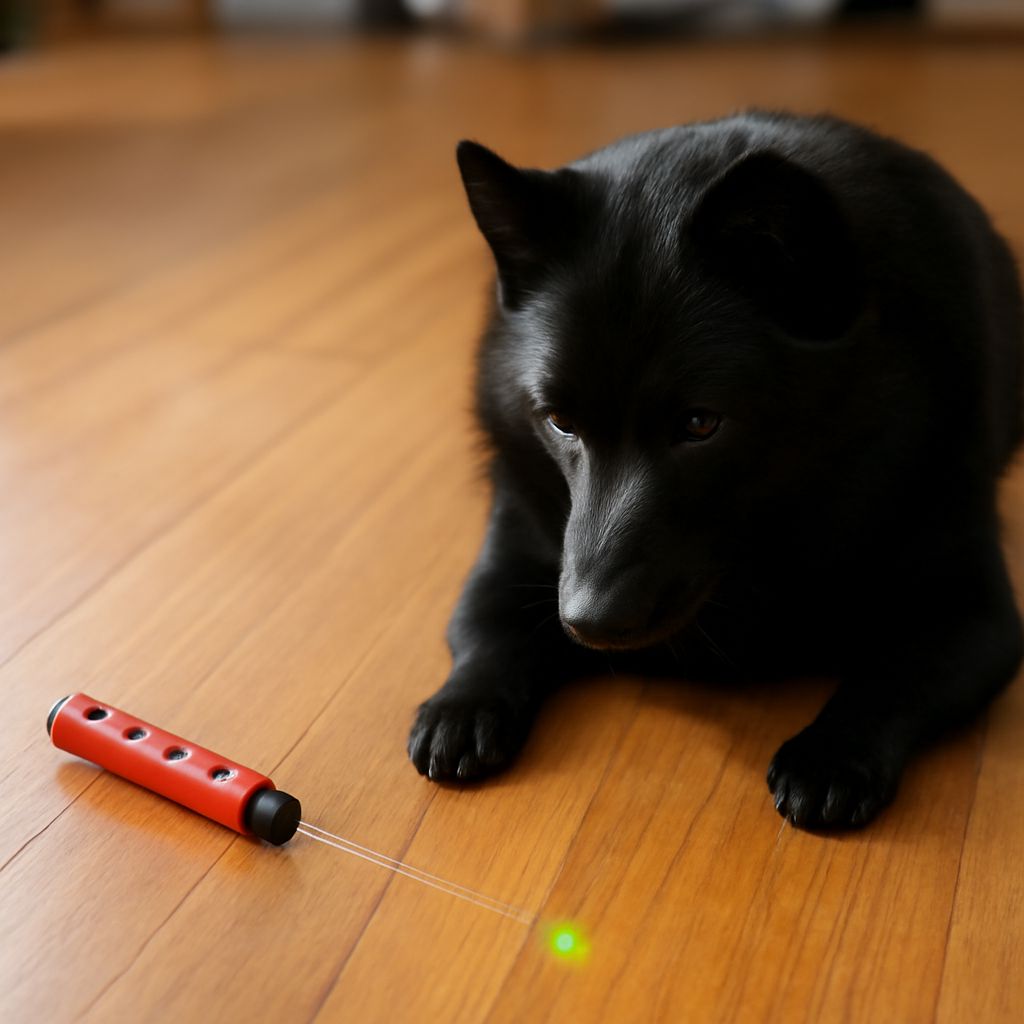
Laser pointers have become a popular tool for entertaining pets, especially dogs. Yet, a growing number of pet owners are questioning their safety. Are laser pointers bad for dogs, or are they harmless fun? This article delves into the nuances of using these playful devices, uncovering potential risks and providing guidance for responsible use.
Many believe that dogs and laser pointers are a match made in heaven, offering endless enjoyment. However, the story might not be so simple. While they can captivate a dog’s attention, laser pointers may also lead to behavioral problems, making it crucial to understand their impact.
Understanding the Appeal of Laser Pointers for Dogs
Dogs are naturally inclined to chase moving objects, and the erratic movement of a laser pointer plays directly into this instinct. The bright, swift motion triggers their prey drive, mimicking the chase of smaller animals. This is why many dogs become fascinated when a beam dances across the room.
It’s this irresistible movement that makes laser lights so appealing. For dogs, the laser pointer is an engaging way to expend energy and receive mental stimulation. This tool taps into their hunting instincts, offering a unique form of entertainment that many dogs find irresistible.
Potential Behavioral Issues with Laser Pointers
Despite their allure, laser pointers can lead to negative behaviors. An inability to physically catch the beam may cause frustration or anxiety. These feelings can manifest as obsessive behaviors, such as persistent searching or increased restlessness long after the play session ends.
Some dogs might develop a fixation on lights and shadows, leading to compulsive disorders. The unpredictable nature of the beam can also heighten stress levels, creating an environment of mental strain rather than enjoyment. This is why understanding if laser pointers are bad for dogs is essential before making them a regular part of playtime.
How to Safely Use Laser Pointers with Dogs
To ensure laser play remains safe, moderation is key. Limit sessions to short durations to prevent the development of compulsions. Introducing physical toys that the dog can catch will help alleviate any potential frustration caused by never capturing the light.
Interactive play that involves a blend of laser pointers and tangible toys can balance the engagement. Diversifying playtime with activities that satisfy both mental and physical needs will result in a healthier, happier pet. Supervision during such activities is crucial to monitor any signs of stress or anxiety.
Always consider consulting with a professional if your dog shows signs of obsessive behavior or increased anxiety related to laser play. A licensed animal behaviorist can provide tailored advice to ensure your dog’s well-being.