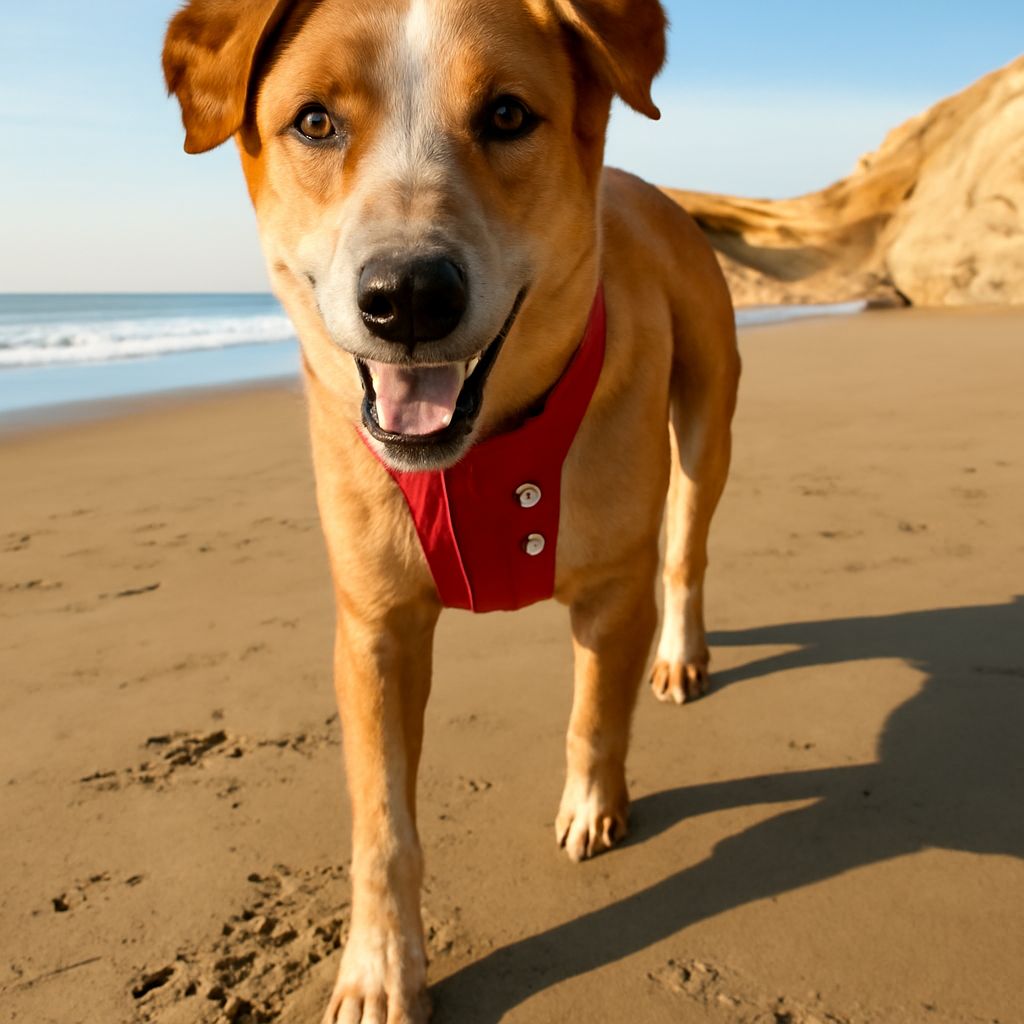
Dog sunbathing often conjures images of a happy pup lounging in the sun, but many pet owners wonder, can dogs get sunburn? Despite their furry coats, dogs are not immune to the harmful effects of the sun. Understanding sun safety for dogs is crucial to keeping your pet happy and healthy. Let’s explore how to ensure your canine companion enjoys sunbathing safely without risking sunburn.
Can Dogs Get Sunburn?
Yes, dogs can indeed get sunburn. Just like humans, dogs’ skin can be damaged by UV rays. Areas with less fur, such as the nose, ears, and belly, are particularly vulnerable. Even breeds with dense coats are not completely protected. Prolonged exposure to the sun can lead to painful burns and increase the risk of developing skin conditions.
Recognizing the signs of sunburn in your dog is important. Redness, flakiness, and discomfort are common symptoms. If you suspect your dog has been sunburned, it’s advisable to seek veterinary care to prevent further complications.
Why Do Dogs Enjoy Sunbathing?
Dogs bask in the sun for various reasons. Sunbathing provides warmth and comfort, especially for older dogs with arthritis. The sun can also help in the production of vitamin D, although dogs primarily obtain it through their diet. Moreover, sunlight has a soothing effect, which contributes to a dog’s overall well-being.
While sunbathing has its benefits, it’s vital to ensure your dog is not exposed to harmful UV rays for prolonged periods. Providing shaded areas and keeping an eye on the time spent in direct sunlight are key practices to observe.
How to Protect Your Dog from Sunburn
There are several ways to protect your dog from sunburn. Applying dog-safe sunscreen on vulnerable areas can be a practical solution. Select products specifically formulated for pets, as human sunscreens may contain harmful ingredients.
Clothing can also offer protection. Lightweight, UV-protective garments designed for dogs are available and can help shield sensitive skin. Additionally, limiting sun exposure during peak hours, usually between 10 a.m. and 4 p.m., is crucial.
- Provide ample shade: Ensure your dog has access to shaded areas, whether it’s a tree or a specially designed pet sunshade.
- Hydration is key: Always provide fresh water to keep your pet hydrated. This helps regulate their body temperature.
- Monitor playtime: Keep an eye on your dog during outdoor activities and bring them indoors if they appear overheated.
Should your dog suffer from severe sunburn or you’re unsure about how to manage sun exposure effectively, consulting a veterinarian is recommended. They can provide tailored advice and treatments suitable for your pet’s specific needs.