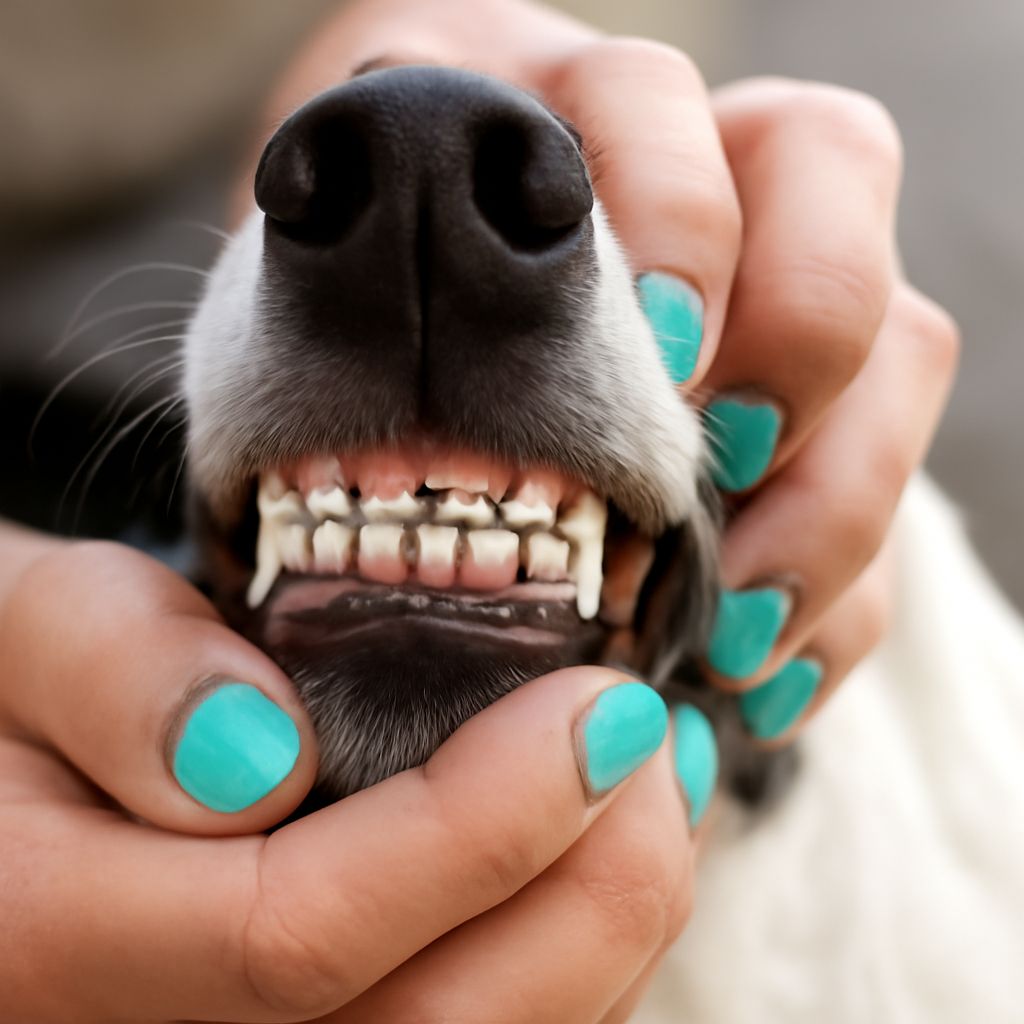
When people think of braces, they often imagine teenagers with metal smiles. However, the notion of a dog with braces might surprise many. Yes, canine orthodontics is a real field, and in some cases, dogs might need braces to correct dental issues. This might seem unnecessary to some, but braces for dogs can significantly enhance their overall health and quality of life.
Canine braces are not merely a cosmetic addition. They serve a crucial purpose for pets with specific dental issues. While it may sound like an extravagant indulgence, veterinary orthodontics addresses genuine health concerns. By understanding the real benefits and applications of canine orthodontics, we can better appreciate why some dogs require these interventions.
Why Would a Dog Need Braces?
Dogs may need braces for various reasons, primarily related to their oral health. Malocclusions, where the teeth don’t align correctly, can lead to difficulties in eating and chronic pain. Such conditions can cause abnormal wear on the teeth, leading to more severe dental issues in the future. In some cases, teeth may even grow into the soft tissues of the mouth, causing painful conditions that could lead to infections.
A dog might need braces if there are congenital issues that prevent proper tooth alignment. Sometimes, injuries or accidents can also result in the misalignment that necessitates orthopedic intervention. While the thought of a dog with braces might seem unusual, these tools often provide relief and prevention from long-term dental complications.
How Do Braces Work for Dogs?
Canine braces work similarly to human orthodontics, though they are specifically designed for the unique structure of a dog’s mouth. The process begins with a thorough examination by a veterinary dentist, who may take X-rays to assess the severity of the dental issues. Once the need is confirmed, customized braces are created to fit the dog’s mouth.
During the treatment, braces for dogs gradually adjust the positioning of the teeth, correcting alignment issues over time. Regular check-ups are necessary to ensure the braces are working as intended and to make any required adjustments. Often, the process might involve other dental appliances or even surgery, especially if the issue is complex.
What Are the Benefits and Risks of Dog Braces?
Implementing canine orthodontics can offer numerous advantages. Improved dental alignment can alleviate pain, enhance chewing function, and prevent future oral health issues. For dogs involved in activities like agility or protection work, proper dental health is essential for optimal performance.
Despite the benefits, there are risks associated with braces for dogs. Complications such as infection, discomfort, or damage to the teeth can arise if not managed properly. Financial implications are also a consideration, as the process can be costly. It’s vital to consult a licensed veterinary dentist, especially for treatments involving complex procedures or if severe damage is present.
Owners must be diligent in maintaining oral hygiene throughout the treatment period. This includes regular cleaning and monitoring for any signs of distress or complication. The commitment to the dog’s well-being is crucial, as is the collaboration with veterinary professionals to ensure a successful orthodontic outcome.