Many dog owners might assume that a dog broken foot injury is immediately obvious, accompanied by dramatic signs of pain or distress. However, the reality is that symptoms of a dog’s broken leg can be subtle, sometimes mistaken for a mild sprain or a temporary limp. Ignoring these signs can worsen the condition, leading to complications. Understanding the true indicators of a broken leg and knowing how to provide the right care is crucial for your pet’s recovery.
When faced with a dog broken leg, immediate and informed action can make all the difference. It’s essential to identify the symptoms accurately and explore the various treatment options available to ensure your pet’s swift and safe recovery. This article will guide you through the process, offering insights into recognizing symptoms, providing assistance, and exploring treatment avenues.
What are the Symptoms of a Dog’s Broken Leg?
Symptoms of a broken leg in dogs can range from visible deformities to subtle behavioral changes. A noticeable swelling or an unnatural angle in the limb often signals a fracture. Dogs may also express discomfort by whining, limping, or refusing to put weight on the injured leg. Observing any of these signs warrants immediate attention.
Other indicators include changes in behavior. Your pet may be less active, show reluctance to move, or display signs of anxiety. Pay close attention to any swelling or bruising around the affected area as well. These symptoms generally point to a more severe injury than a simple sprain.
If your dog is persistently licking the injured area, it may also be a sign of a broken bone. This behavior often indicates an attempt to self-soothe or address pain. A professional assessment is necessary if any of these symptoms are present.
How Can You Help a Dog with a Broken Foot?
When dealing with a fractured leg, immediate first aid can alleviate pain and prevent further injury. First, minimize your dog’s movement to avoid exacerbating the problem. Carefully immobilize the limb using a temporary splint if you are comfortable doing so, but avoid causing further distress or pain.
Transport your pet gently to a veterinary professional for a thorough examination. Use a flat surface or a stretcher to support your dog, keeping the injured leg stable. Comfort your dog throughout the process, as they may be anxious or frightened.
While waiting for professional help, ensure your dog stays calm and is comforted. Avoid offering food or water if anesthesia may be necessary, as per veterinary guidance. Providing a safe, quiet space can also help reduce stress and pain.
What Treatment Options are Available for a Dog’s Broken Leg?
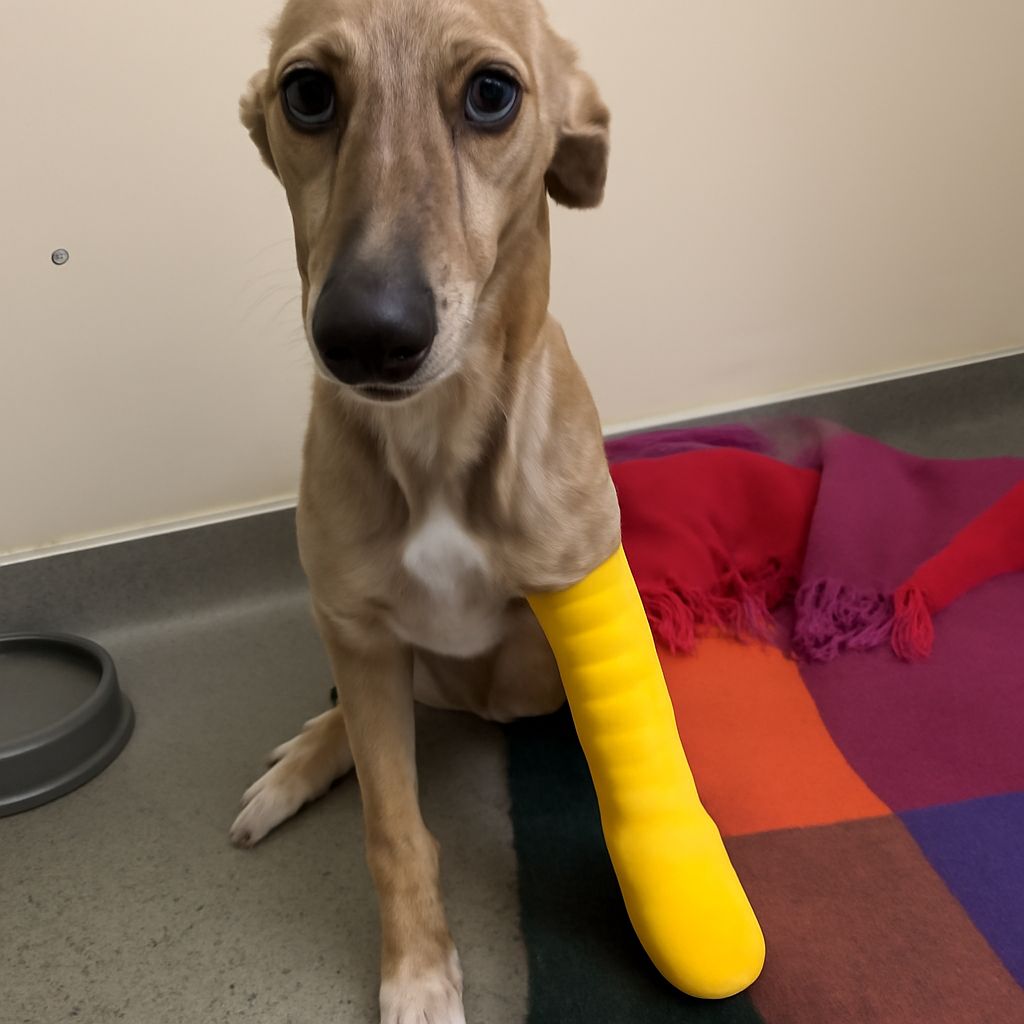
The treatment for a dog’s broken leg depends on the severity and type of fracture. A vet may recommend splinting or casting for minor fractures. These methods stabilize the bones, allowing natural healing over weeks or months.
For more severe or complicated breaks, surgical interventions might be necessary. Procedures such as bone plating or the insertion of pins can effectively realign and stabilize the bones. Consultation with a licensed veterinarian or orthopedic specialist is crucial for these cases.
Post-treatment care is essential. Follow-up visits, prescribed rest, and possibly physiotherapy contribute significantly to healing. Maintaining a controlled environment can prevent re-injury during recovery.
Additionally, your vet might recommend pain management solutions to ensure your pet remains comfortable. These could include medications or therapies designed to reduce discomfort and promote healing.
Recognizing the signs and taking the right steps to manage a dog’s broken leg ensures their speedy recovery and long-term health. Always consult a professional for severe injuries or when in doubt about the best course of action.