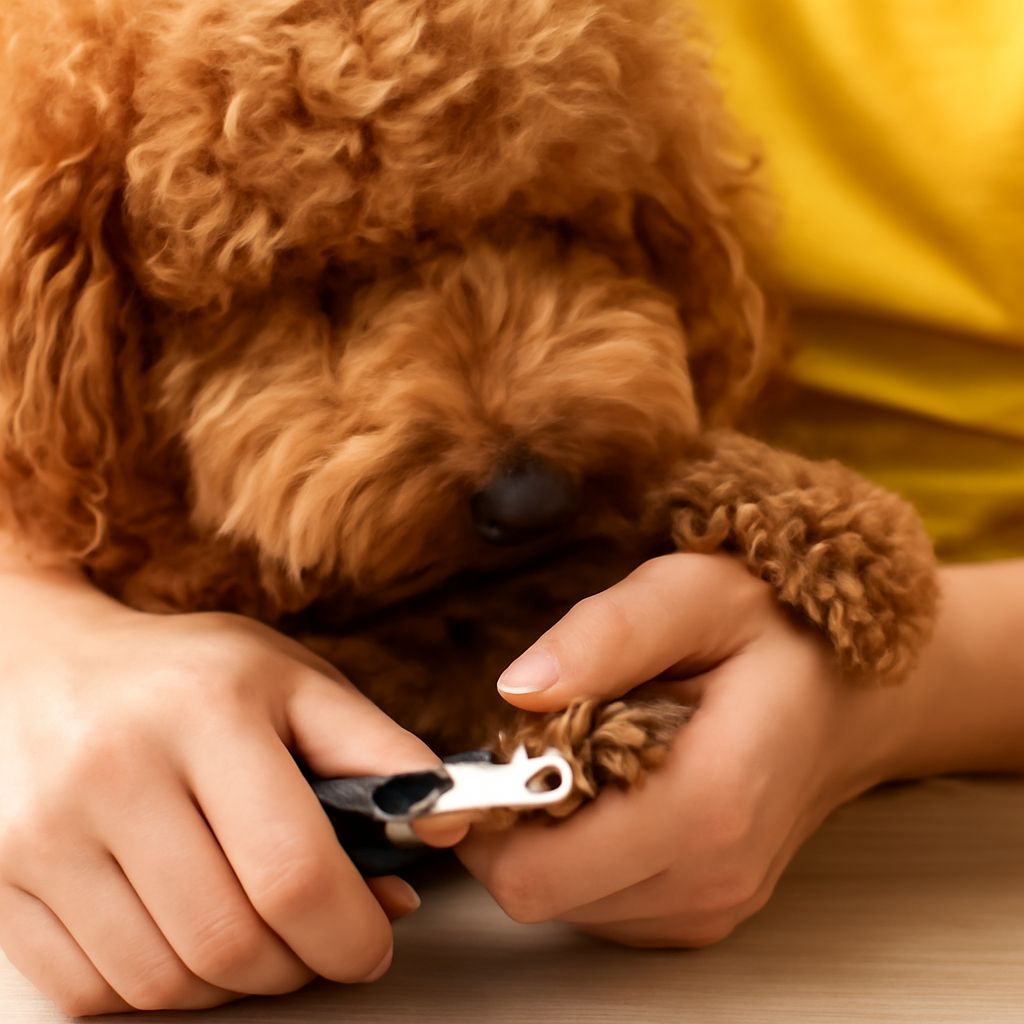
Many dog owners struggle with understanding how to train their dog not to bark, often relying on myths and misconceptions. The belief that all barking is problematic is one such myth. In reality, barking is a natural communication method for dogs, serving various purposes from alerting owners to potential danger to expressing excitement. Recognizing the difference between normal and excessive barking is crucial for any dog training regimen.
Another common myth is that training a dog to stop barking involves punishment or negative reinforcement. This can lead to frustration and anxiety in dogs, resulting in further behavioral issues. Instead, focusing on positive reinforcement and understanding the underlying reasons why dogs bark can lead to more effective and humane solutions. Let’s explore how you can train your dog not to bark using proven techniques while deepening the bond with your furry friend.
Why Do Dogs Bark?
Dogs bark for many reasons, ranging from boredom to fear. Barking can signify excitement when seeing a familiar face or alert you to the presence of a stranger. Some breeds are naturally more vocal than others, making it essential to consider your dog’s breed traits. Understanding these reasons will help you better address the barking through targeted training.
Understanding Excessive Barking
Excessive barking occurs when a dog barks too frequently or inappropriately. This could be a result of anxiety, insufficient exercise, or lack of mental stimulation. Determining the root cause of excessive barking is the first step in mitigating it. Once identified, you can tailor your training methods to address these specific needs.
How to Train Dog Not to Bark: Step-by-Step Guide
Identify the Triggers
Begin by observing when and why your dog barks excessively. Is it when the doorbell rings, or perhaps during walks when encountering other dogs? Identifying these triggers allows you to address the specific situations that lead to unwanted barking.
Use Positive Reinforcement
Reward-based training techniques can be highly effective in teaching your dog to remain quiet. When your dog stops barking on command or remains calm during a typically triggering event, offer a treat or praise. This encourages the desired behavior and strengthens your bond.
Consistency is Key
Consistency in training is crucial. Ensure that everyone in the household follows the same training methods to avoid confusing the dog. Regular practice sessions and reinforcing commands consistently will help solidify the training.
Tools and Aids to Train Your Dog Not to Bark
Several tools can assist in training your dog not to bark. Anti-bark collars, which emit a harmless spray or sound, can help deter barking. Additionally, clickers and dedicated training apps can enhance your training routine by providing immediate feedback and monitoring progress.
Common Mistakes in Training a Dog Not to Bark
Avoid using harsh punishments as they can lead to fear and aggression in dogs. Inconsistent training and expecting immediate results are other mistakes to watch out for. Patience and persistence are essential for effective training and achieving long-lasting results.
When to Seek Professional Help
If barking issues persist despite your best efforts, consulting a professional dog trainer or a canine behaviorist is advisable. They can provide personalized advice and techniques tailored to your dog’s specific needs, especially in cases of severe behavioral issues.
Key takeaways: Understanding the reasons behind barking and employing consistent positive reinforcement are vital to effectively training a dog not to bark. Utilize tools and seek professional help if needed to ensure successful outcomes. By addressing the root causes and avoiding common mistakes, you can foster a more peaceful environment and strengthen your relationship with your dog.