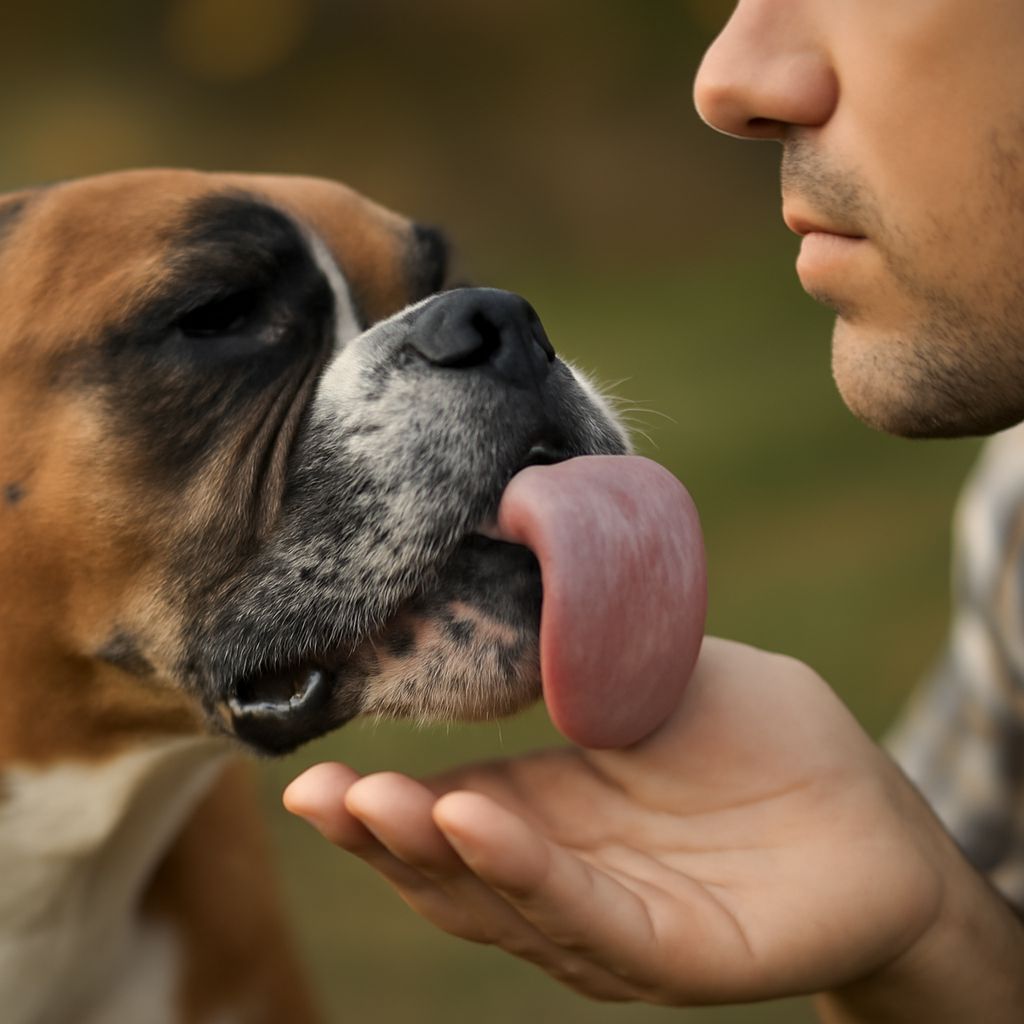
Dogs have long been considered man’s best friend, but their emotional lives remain a source of curiosity and debate. Many dog owners wonder if their furry companions experience sadness and express it through tears. This article explores the emotional world of dogs and seeks to answer the question, do dogs cry like humans? Understanding canine emotions can deepen the bond between humans and their pets, encouraging more empathetic care.
While many believe that dogs shed tears when they’re sad, canine crying differs significantly from human crying. Dogs do not cry emotional tears, but they do have other ways of expressing feelings. Understanding the difference is crucial for pet owners who want to ensure their dogs’ well-being and happiness.
Do Dogs Cry Like Humans?
Although dogs have tear ducts similar to humans, their tears serve a different purpose. In humans, emotional tears are a response to feelings such as sadness or joy. For dogs, tears function primarily as a means to lubricate and protect the eyes from irritants. This physiological function is not linked to emotional states. Therefore, while your dog might have watery eyes, it doesn’t necessarily mean they are crying due to sadness.
However, dogs express their emotions through behavior and body language. They might whimper, whine, or show signs of distress, but these are not tears in the way we think of human crying. Understanding this distinction helps pet owners to interpret their dog’s needs more accurately and respond appropriately.
Why Do Dogs Cry and What Does It Mean?
When we talk about why dogs cry, it’s essential to distinguish between different types of vocalizations and physical expressions. Dogs may whine or whimper for various reasons, including excitement, anxiety, or a desire for attention. These vocalizations are not evidence of tears but are forms of communication.
Excessive tearing, on the other hand, could indicate a medical issue. Dogs may have watery eyes due to allergies, infections, or blocked tear ducts. If you notice your dog’s eyes are consistently watery, it’s advisable to consult a veterinarian to rule out any medical problems. Understanding these distinctions is crucial for ensuring your dog’s health and happiness.
Do Dogs Cry When Sad or in Pain?
While dogs do not shed tears due to sadness like humans, they do express discomfort or pain through other means. A dog in pain might whimper, howl, or exhibit changes in behavior, such as becoming more withdrawn or agitated. Recognizing these signs is essential for pet owners to provide appropriate care.
Dogs can experience a wide range of emotions, including sadness. They may become depressed due to changes in their environment, such as the loss of a companion or a move to a new home. It’s important for pet owners to recognize signs of canine depression, such as loss of interest in activities they once enjoyed, changes in appetite, or excessive sleeping. Addressing these issues promptly can help improve the dog’s emotional well-being.
In cases of severe or ongoing emotional distress, consulting with a veterinary behaviorist or a professional dog trainer may be beneficial. These experts can provide strategies to help manage and alleviate your dog’s anxiety or sadness, fostering a healthier and happier environment for your pet.