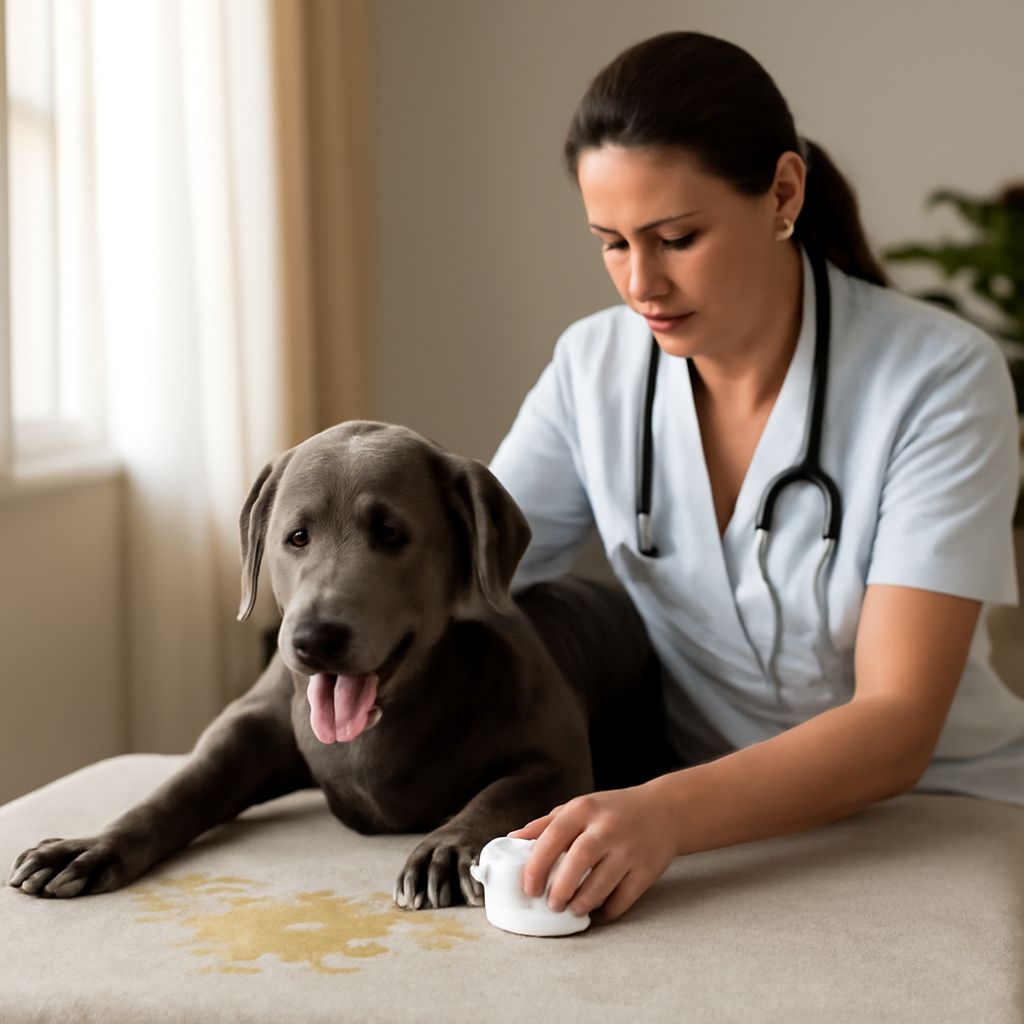
Many dog owners are surprised to learn that their furry companions have special anatomical features known as dog butt glands. These glands play a crucial role in your pet’s overall well-being, yet they often remain a hidden and misunderstood aspect of dog health. Understanding the importance of these glands, also known as dog scent glands, can help you maintain your pet’s comfort and hygiene. In this article, we aim to demystify the purpose and care of these essential parts of your dog’s anatomy.
The term “dog butt hole health” might not be part of everyday conversation, but it’s vital to address these issues to prevent discomfort or more serious health problems. By gaining knowledge about dogs’ glands and their functions, you equip yourself with the tools to keep your pet in optimal health. Let’s explore the fascinating world of dog butt glands and discover how you can care for your pet’s unique needs.
What Are Dog Butt Glands?
Dog butt glands, more formally known as anal sacs, are small pouches located on either side of a dog’s anus. These sacs produce a distinctive, often pungent liquid that is used for communication among dogs. While it might seem unusual, these glands are a natural and essential part of your dog’s anatomy, contributing to their social interactions.
The secretions from dogs’ glands are released when a dog defecates or sometimes when they are frightened. This release helps dogs mark their territory and convey important information to other dogs. Understanding these natural processes is key to maintaining dog butt hole health and ensuring your pet feels comfortable.
Why Do Dogs Have Scent Glands?
Dog scent glands serve multiple purposes, primarily related to communication. The unique smell emitted by these glands allows dogs to identify each other and establish territory. This olfactory communication is a fundamental aspect of canine behavior, underpinning many social interactions.
Moreover, these glands act as a method for dogs to leave a scent trail, which can be crucial for navigation and establishing presence in a particular area. Understanding the role of these glands helps pet owners appreciate the complexities of their dog’s social world and the importance of maintaining the health of these glands.
How to Care for Your Dog’s Glands
Signs of Gland Issues
It’s essential to recognize the signs that indicate potential problems with your dog’s glands. Some common indicators include scooting on the ground, excessive licking of the anal area, or visible swelling near the anus. These symptoms could suggest that the glands are impacted or infected.
Steps for Proper Care
Caring for your dog’s glands involves regular monitoring and maintenance. In many cases, natural expression occurs during defecation, but some dogs may require assistance. Regular grooming appointments can help ensure that the glands are expressed properly, preventing discomfort or infection.
If you notice persistent issues, it may be necessary to manually express the glands. However, this should only be done if you’re comfortable and have received proper guidance from a professional. In complex situations, a licensed veterinarian or groomer should be consulted to avoid causing harm to your pet.
When to Consult a Vet
While many gland issues can be managed at home, certain situations require veterinary attention. If you observe severe swelling, bleeding, or persistent discomfort, it’s crucial to consult a vet. These symptoms may indicate an infection or abscess that needs medical intervention.
Additionally, if your dog frequently experiences gland problems, a vet can offer advice on dietary changes or supplements that could help. Professional evaluations ensure that your dog’s health is managed comprehensively and effectively.
Key takeaways: Dog butt glands are vital for canine communication and health. Regular monitoring and proper care are essential to prevent issues. Consult a veterinarian for persistent or severe gland problems to ensure your pet’s overall well-being.