Many dog owners are bewildered when they notice their pet’s discomfort, especially when it involves something as perplexing and worry-inducing as a dog inflamed anus. It’s not unusual for pet owners to worry whether a dog swollen anus treatment is necessary or if the situation will resolve on its own. Understanding the underlying causes and appropriate actions can save your furry friend from unnecessary suffering.
A dog’s anus swelling might seem alarming, but it’s often manageable with the right approach. By familiarizing yourself with the causes and symptoms, you can better assess whether home care suffices or if professional intervention is warranted.
What Causes a Dog’s Anus to Swell?
Several factors may lead to a dog’s anus becoming swollen. Anal gland issues are among the most common culprits; they can become impacted or infected, causing discomfort. Allergies, whether food-related or environmental, may also lead to inflammation in this sensitive area.
Parasites, including worms, can irritate the anus and surrounding tissue. Additionally, skin infections or injuries might result in a conspicuous swelling. Dietary indiscretions, such as consuming inappropriate foods, sometimes result in gastrointestinal upset that manifests as anal inflammation.
Recognizing Symptoms of an Inflamed Anus in Dogs
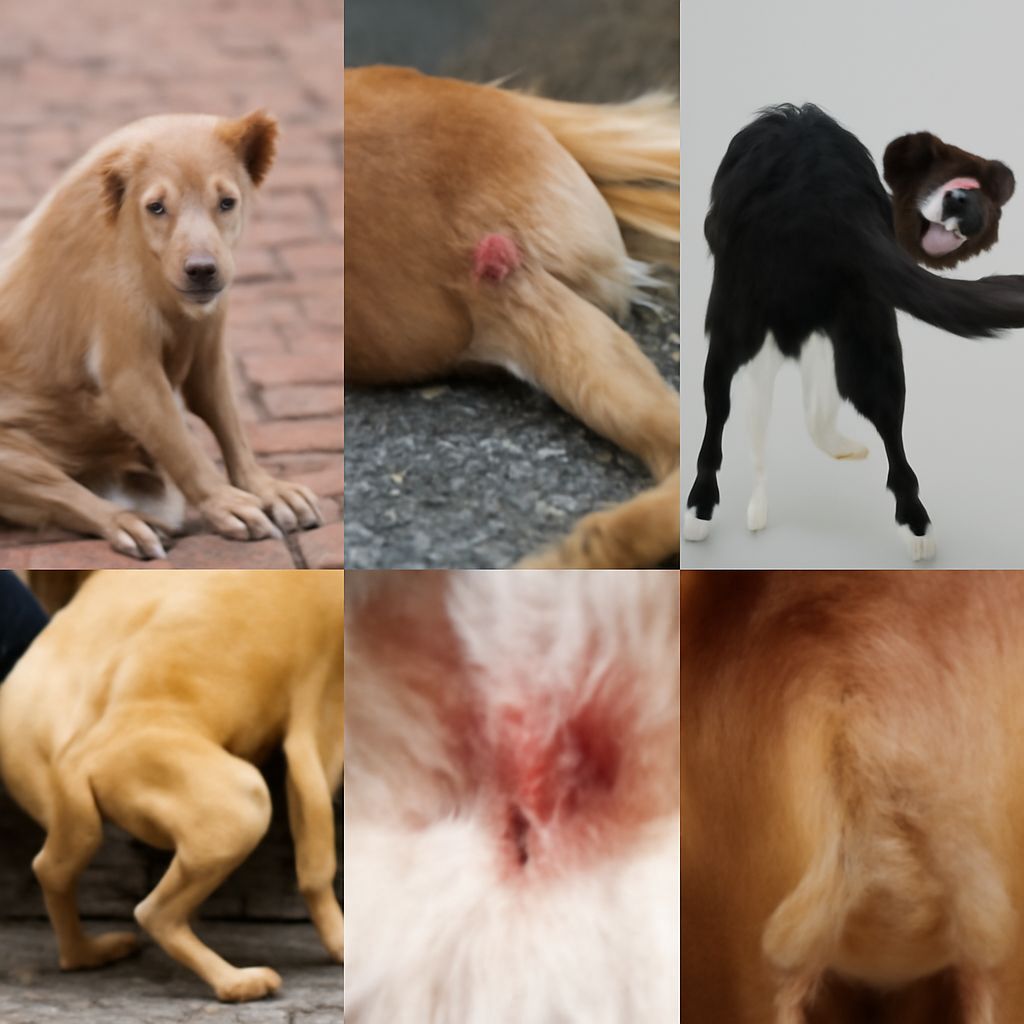
A key to determining if a dog’s anus is swollen is observing changes in behavior or appearance. Scooting on the ground, excessive licking, and visible redness are common signs of discomfort. You may notice swelling or even unusual discharge in more severe cases.
Dogs may also display signs of pain or sensitivity around the rear end. Owners should be vigilant for these symptoms, as early recognition can prevent more serious health issues. A persistent issue might lead to infection, necessitating professional care.
How to Treat a Dog’s Swollen Anus at Home
If you identify a mild case of swelling, certain home remedies could ease your pet’s discomfort. Warm compresses applied to the area can soothe and reduce inflammation. Cleaning the area with a mild antiseptic helps maintain hygiene and prevents further irritation.
Dietary adjustments might also prove beneficial. Increasing fiber intake can help ensure regular bowel movements, reducing pressure on the anal glands. Over-the-counter treatments like pumpkin puree can promote digestive health. However, if symptoms persist, professional advice should be sought.
When to Seek Veterinary Care for a Swollen Anus
While minor swelling might resolve with home care, there are times when veterinary intervention is crucial. If swelling is accompanied by severe pain, bleeding, or a significant change in behavior, it’s vital to consult a veterinarian. An untreated dog’s anus swelling can lead to serious complications, including abscesses or chronic infections.
A licensed professional should evaluate persistent or severe cases to ensure that underlying conditions are appropriately addressed. Diagnostic tests, such as fecal exams or bloodwork, might be necessary to identify the exact cause and tailor treatment accordingly.
In summary, understanding the causes and symptoms of a dog inflamed anus ensures that you can take timely and appropriate action. Always prioritize your pet’s health and seek veterinary care when necessary to provide the best quality of life for your four-legged companion.