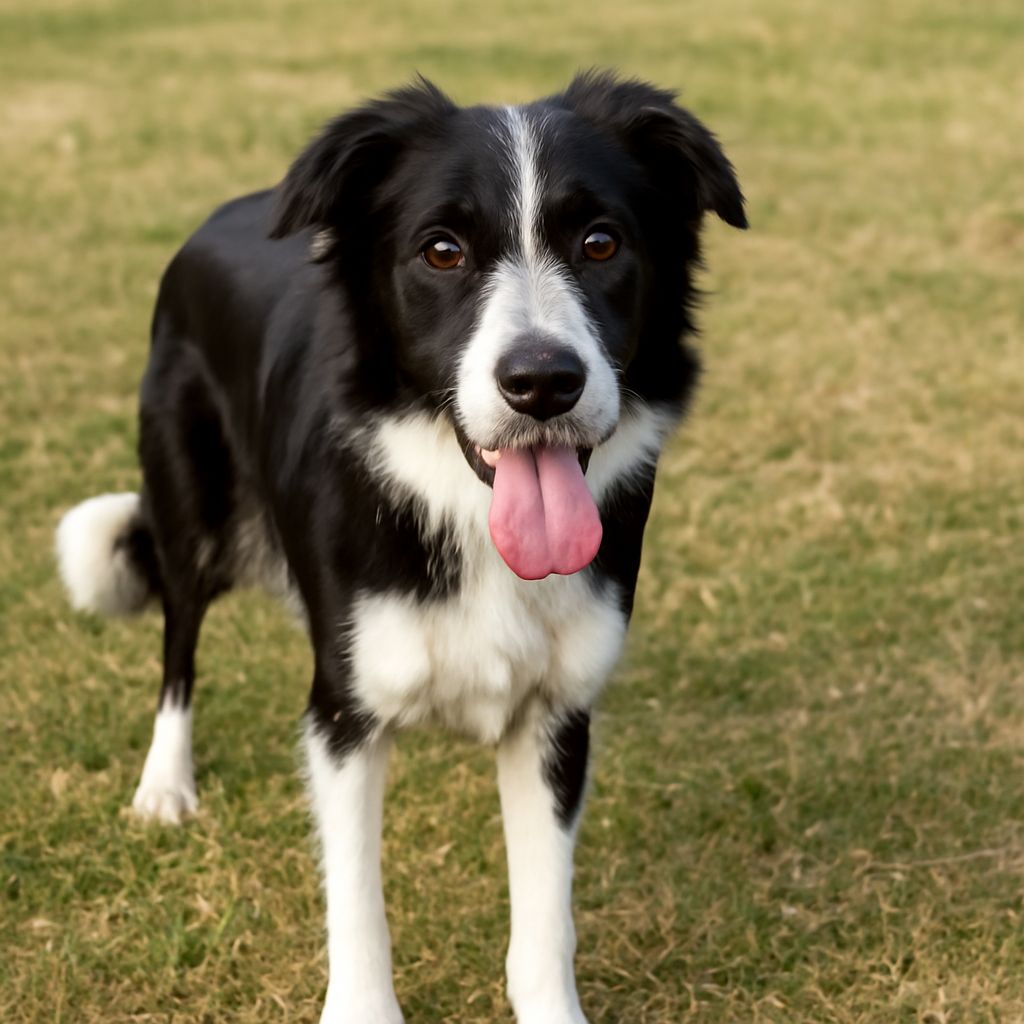
You meet a soft-coated Havapoo pup and wonder whether that small bundle will fit your home as an adult. A fully grown Havapoo may be small, but its exact weight and coat cannot be promised from a puppy photo. Ask about both parents, their health records, and the puppy’s daily care before deciding.
Havapoo Full Grown: What Can Parents Tell You?
A Havapoo is a Havanese–Poodle cross. The Poodle parent is often a Toy or Miniature, according to PetMD’s veterinary-reviewed guide. Ask which variety was used and request each parent’s adult weight and height. If the parents are also mixed, ask what is known about their ancestry. For an adult Havapoo, those details give you a useful range of possibilities, not an exact measurement.
Picture two siblings: one may take after a smaller parent while another grows larger or develops a different coat. If your building has a weight limit, consider whether you can accommodate a dog that exceeds the seller’s estimate. A responsible source should be comfortable discussing uncertainty rather than guaranteeing a precise number.
For a Havapoo full grown, your veterinarian can assess body condition as well as weight. During puppy visits, track growth and ask whether food portions and activity remain appropriate. Choose an adjustable harness that fits now, and expect to replace equipment as the dog grows. A small puppy needs secure footing and a safe resting place just as much as an adult does.
A puppy coat is only the beginning
A Havanese and Poodle mix can have a coat that is wavy, curly, or more like one parent’s than the other’s. The texture may change as the puppy matures, and shedding varies between individuals. A soft-looking coat can tangle close to the skin, especially behind the ears, under the legs, and where a harness rubs.
Ask a groomer to show you how to part and comb through the coat gently, then practice in short sessions with treats and breaks. A shorter trim can make maintenance easier, but it still needs regular brushing and professional care. Budget both money and time for grooming appointments; ask the groomer how often the individual coat should be seen.
If someone in your home has allergies, do not rely on a “hypoallergenic” promise. The National Institute of Environmental Health Sciences notes that all dog breeds can trigger allergies and that allergens are present in dander and saliva as well as other body materials. Discuss your situation with an allergist before taking a dog home. Meeting an individual dog may be informative, but a brief visit cannot guarantee that symptoms will not develop later.
How to evaluate a source
Listings for Havapoo puppies for sale should provide more than a charming portrait. For a Havapoo pup available to buy, ask to meet the puppy and its mother in their living environment when possible, see the conditions in which they are raised, and receive records of veterinary visits, vaccinations, and deworming. Ask how the puppy has encountered people, ordinary sounds, gentle handling, and time resting away from littermates.
A listing for a Havapoo for sale should also come with a clear written agreement. What does the fee include? When can the puppy go home? What is the return policy if your circumstances change? Request terms before paying a deposit and pause if the seller presses for immediate payment while avoiding questions or refusing to show the dog.
You may also find a young Havapoo available for adoption through a shelter or rescue. Parentage may be uncertain, so ask what is documented and what is an estimate. A foster may be able to explain how the dog responds to grooming, visitors, and short separations. Ask for medical records and any known follow-up care, then arrange your own veterinary appointment.
Ask for health evidence from both sides
Crossing breeds does not erase inherited risks. Request the actual screening results for both parents and take them to your veterinarian for interpretation. The Havanese Club of America publishes a health-testing guide, and the Poodle Club of America lists recommendations by Poodle variety. For example, its Toy Poodle recommendations include eye and patella evaluations and a DNA test for progressive retinal atrophy; Miniature Poodles have an additional hip evaluation recommendation.
Ask when the tests were performed, whether results are available in an independent registry, and whether the puppy has any known concerns. A general wellness exam and a DNA panel answer different questions; neither replaces every relevant parent screening. If results are missing or a seller promises that a mixed puppy cannot inherit health problems, look for a more transparent source.
Plan the first weeks together
Havapoos may enjoy companionship, training, and play, but each dog has its own comfort level. Set up a quiet sleeping area, establish a predictable feeding and bathroom routine, and give the puppy opportunities to rest. Introduce grooming tools, a harness, and household sounds gradually, pairing each with something pleasant. Let the puppy move away when it needs a break.
Use short, reward-based lessons for coming when called, walking on a loose leash, and settling on a mat. Practice brief separations while the puppy is calm and build duration gradually. If distress persists when you leave, ask your veterinarian for guidance rather than letting the puppy repeatedly panic.
Supervise young children and larger dogs around a small puppy. Teach children to sit on the floor and allow the dog to approach, and support its chest and hindquarters when lifting. As your Havapoo puppy grows, revisit its food portions, grooming routine, and exercise with your veterinarian; a change in size does not make careful handling optional.
Choose the puppy or adoptable young dog whose individual needs fit your household. If a fixed adult weight or a guaranteed allergy-free coat is essential, wait and reconsider those constraints. If you can accommodate variation, have time for grooming and companionship, and receive clear health information, you are better equipped to welcome a dog whose personality will unfold over time.