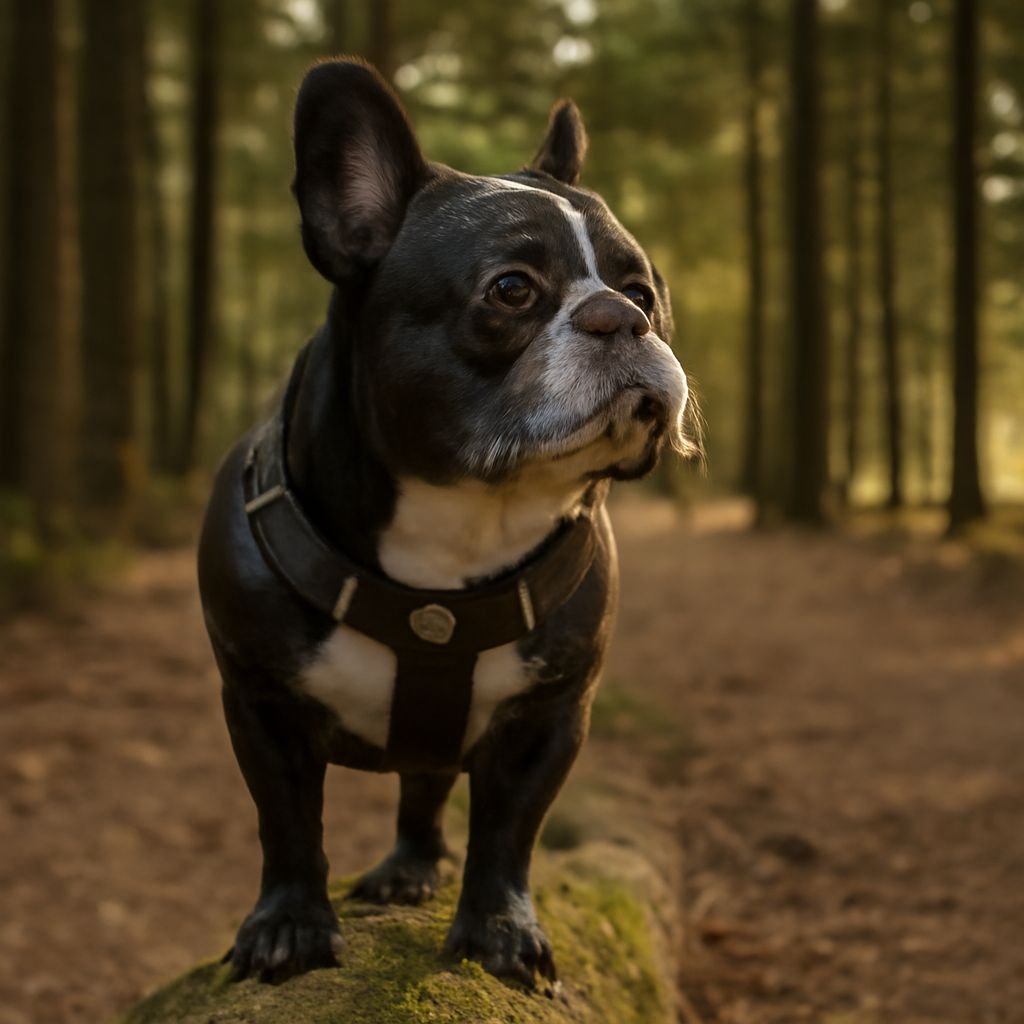
What should you call a dog with a serious face and a talent for making the whole room laugh? Start with a short list of names for an English Bulldog, say each aloud, and choose one your household enjoys using. Whether you like a grand title or a snack-inspired nickname, the best choice should be easy to say during walks, play, and training.
The ideas below are grouped to help you browse, not to set rules. A name suggested for a boy can suit a girl, and vice versa. Your dog will learn the sound through practice and positive experiences, not by reading the label on the list.
English Bulldog Names With Personality
English bulldog names can reflect your sense of humor, a favorite story, or a sound you love. Think about the impression you enjoy rather than trying to predict your dog’s entire personality on day one. An especially dignified puppy might grow into a champion sock thief, and a sleepy adult may reveal a flair for play once settled at home.
- Classic and distinguished: Winston, Arthur, Elsie, Pearl, Mabel, Oscar, Ruby, and Henry.
- Bright and playful: Poppy, Ziggy, Pepper, Milo, Pip, Sunny, Bubbles, and Tilly.
- Food-inspired: Biscuit, Pickles, Mochi, Waffle, Olive, Peanut, Muffin, and Taco.
- Short and sturdy: Gus, Bea, Otis, Nell, Lou, Hank, Mae, and Juno.
Try pairing a favorite with ordinary sentences: “Mabel, this way,” or “Gus, ready for a walk?” If you keep smiling when you say it, put it on your shortlist. The right name can feel cheerful without turning every trip to the veterinarian into an explanation.
For names for an English Bulldog with a little theatrical flair, consider Baron, Duchess, Winston, or Queenie. A formal name can have a short everyday version: Penelope might become Penny, and Theodore might become Theo. Decide which version you will use most often while teaching the dog to respond.
Ideas for Girls, Boys, and Everyone
For girl bulldog names, try Daisy, Coco, Rosie, Olive, Zelda, Millie, Hazel, or Bonnie. Daisy and Rosie have a sunny, familiar feel; Zelda and Hazel have a slightly sharper sound. Pick what you like, whether your dog is a quiet observer or a bold explorer.
For male bulldog names, consider Bruno, Archie, Otis, Franklin, Benny, Rufus, Teddy, or Scout. Bruno has a broad, comic-book sound, while Scout feels ready for an adventure around the block. Neither name requires its owner to live up to a character description.
If you want a name for a female bulldog that is less traditionally feminine, try River, Kit, Frankie, or Nova. Names for a boy bulldog can be gentle or whimsical too: Clover, Pip, Maple, and Waffles are all fair game. Say each option with the same affection you expect to use every day; the category matters less than the fit.
You can also borrow from favorite places, books, or family traditions. A memorable name may come from a street where you lived or a character everyone loves. Check that people who care for the dog can pronounce it comfortably and spell it for a veterinarian or pet sitter.
Check the Sound Before You Decide
A name needs to be easy for your household to say clearly. One or two syllables can be convenient, especially when you are calling across a room, though a longer name can work with a consistent shorter call name. Try saying it in a normal voice, then in the upbeat tone you would use when inviting your dog to play.
Compare the sound with the cues you plan to teach. “Kit” and “sit,” for example, sound close enough to make practice less clear. The American Kennel Club recommends avoiding names that sound like common cues or other frequently used words. If you already have a pet named Mo, a new dog named Bo may also make it harder for the household to direct attention to one animal at a time.
Consider the situations in which you will use the name: at the vet’s front desk, in a training class, on a leash, and when a neighbor offers to help. A private joke can be delightful, but choose something you are comfortable saying in public and that other caregivers can repeat without guessing.
Teach the Name as an Invitation
Once you have chosen, use the same call name consistently while your dog learns it. In a quiet room, wait until the dog is not looking directly at you, say the name once in a friendly voice, and reward the moment the dog turns toward you. A small treat, a favorite toy, or praise can make the interaction pleasant. Repeat in short sessions, with breaks in between.
The AKC’s name-training guide suggests beginning somewhere with few distractions and building the skill gradually. If your dog does not respond, move closer or make the setting easier rather than repeating the name louder and louder. Once the response is comfortable indoors, practice in another room or on a leash in a calm outdoor spot.
A name gets attention; it is not automatically a recall cue. Teach “come” separately and reward the dog for moving toward you. Avoid using the name mainly when scolding or ending fun, so hearing it remains a reason to look your way.
Narrow the List Together
Give each person in the household a chance to nominate two or three favorites. Write them down, remove any that sound too much like an existing pet’s name or a cue, and agree on the pronunciation. If someone finds a name awkward to call across the yard, listen to that objection: consistency is easier when everyone can use the same word comfortably.
For a playful twist on bull dog names, imagine introducing Sir Waffles at the vet and then using “Waffles” at home. If the long version makes your family laugh but the short version feels natural, you have a practical combination. An adopted adult can learn a new name too; start gently and pair it with pleasant experiences rather than expecting an immediate response.
Take your final three choices into a typical routine, such as preparing dinner or getting the leash, say each aloud, and choose the one your family can use comfortably and consistently.