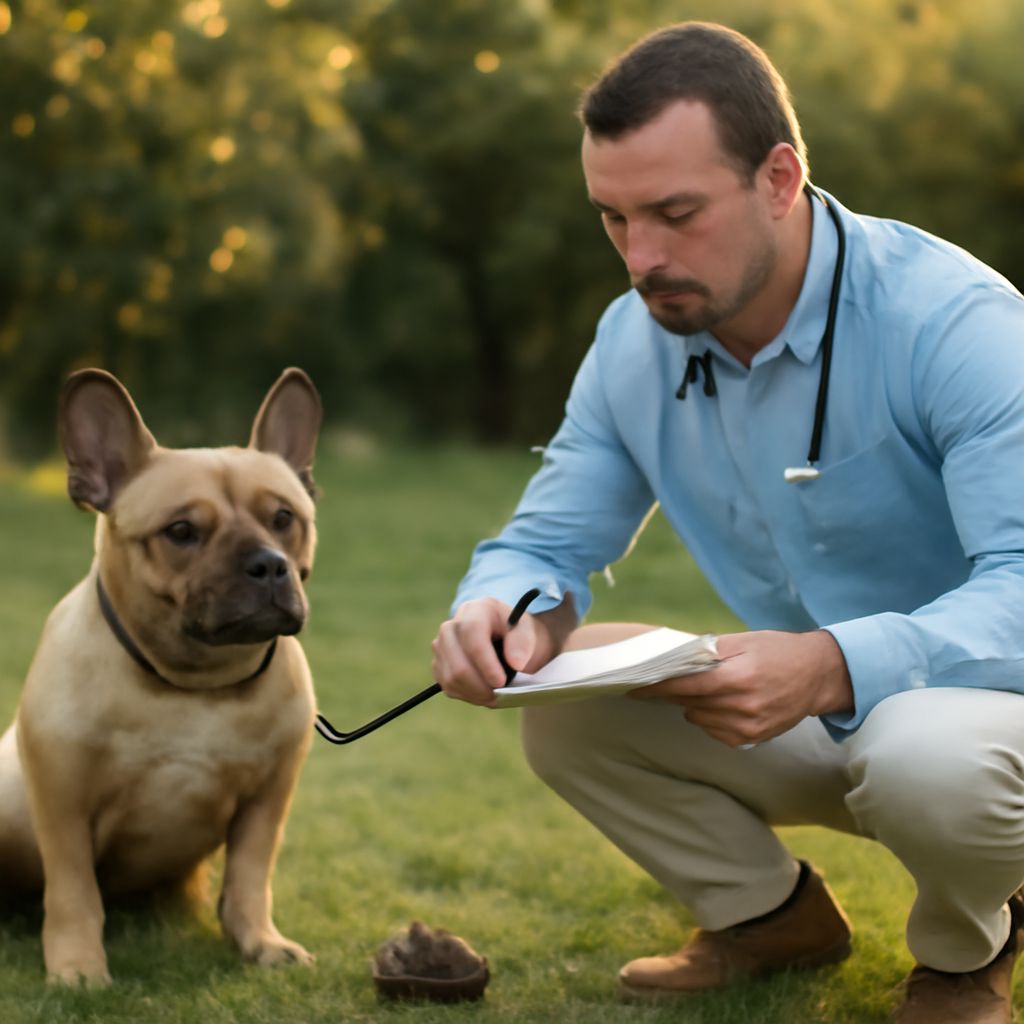
Many dog owners have pondered the question, “What can I give my dog for nausea?” It’s a common concern, especially when our furry companions show signs of distress. The truth is, not every instance of a dog’s upset stomach needs a medical intervention. Often, gentle remedies can soothe your dog’s discomfort. However, understanding the underlying causes is crucial before administering any anti nausea for dogs treatments.
Let’s explore the complexities of canine nausea, effective remedies, and when professional advice becomes essential. Empower yourself with the knowledge needed to enhance your pet’s well-being and comfort.
Understanding Nausea in Dogs
Nausea in dogs can occur for a variety of reasons. Dietary indiscretion, such as eating something inappropriate, is a frequent culprit. Motion sickness during car rides is another common cause. Infections, parasites, or more serious ailments like kidney disease may also be responsible.
Recognizing symptoms is the first step in addressing nausea. Vomiting, drooling, and a lack of appetite are typical signs. If your dog frequently exhibits these behaviors, it’s essential to monitor them closely.
What Can I Give My Dog for Nausea?
Several options are available when you’re pondering what to provide your dog to alleviate nausea. Over-the-counter medications specifically designed for dogs can be effective. Always consult with a veterinarian before using medications to ensure they are safe for your dog’s specific health profile.
Additionally, some human anti-nausea medications might be suitable, but again, veterinary guidance is crucial to avoid adverse effects. Natural supplements like ginger are sometimes recommended for their soothing properties, though their effectiveness may vary.
Home Remedies to Help Your Dog
Home remedies can be a gentle way to relieve your dog’s nausea. A bland diet consisting of boiled chicken and rice is a common recommendation. This meal is gentle on the stomach and can help settle digestive troubles.
Hydration is vital when dealing with an upset stomach. Ensure your dog has access to fresh water, but avoid allowing them to drink too much at once, as this could exacerbate vomiting. Ice cubes can be a helpful way to provide moisture gradually.
Herbal teas, such as chamomile, may provide relief. These are generally safe when cooled and offered in moderation. However, always start with small amounts to gauge your pet’s reaction.
When to See a Vet
If your dog’s nausea persists despite home care, or if they exhibit severe symptoms such as dehydration, blood in vomit, or extreme lethargy, it’s time to consult a veterinarian. Chronic nausea can be a sign of underlying health issues that require professional diagnosis and treatment.
Regular veterinary checks are advisable if your dog has recurrent bouts of nausea. This ensures that any serious conditions are caught early and treated appropriately.
Bottom line: While occasional nausea in dogs can often be managed with gentle remedies, understanding when to consult a vet is essential to ensure your pet’s health and safety. With the right balance of care and professional advice, you can help keep your furry friend comfortable and well.