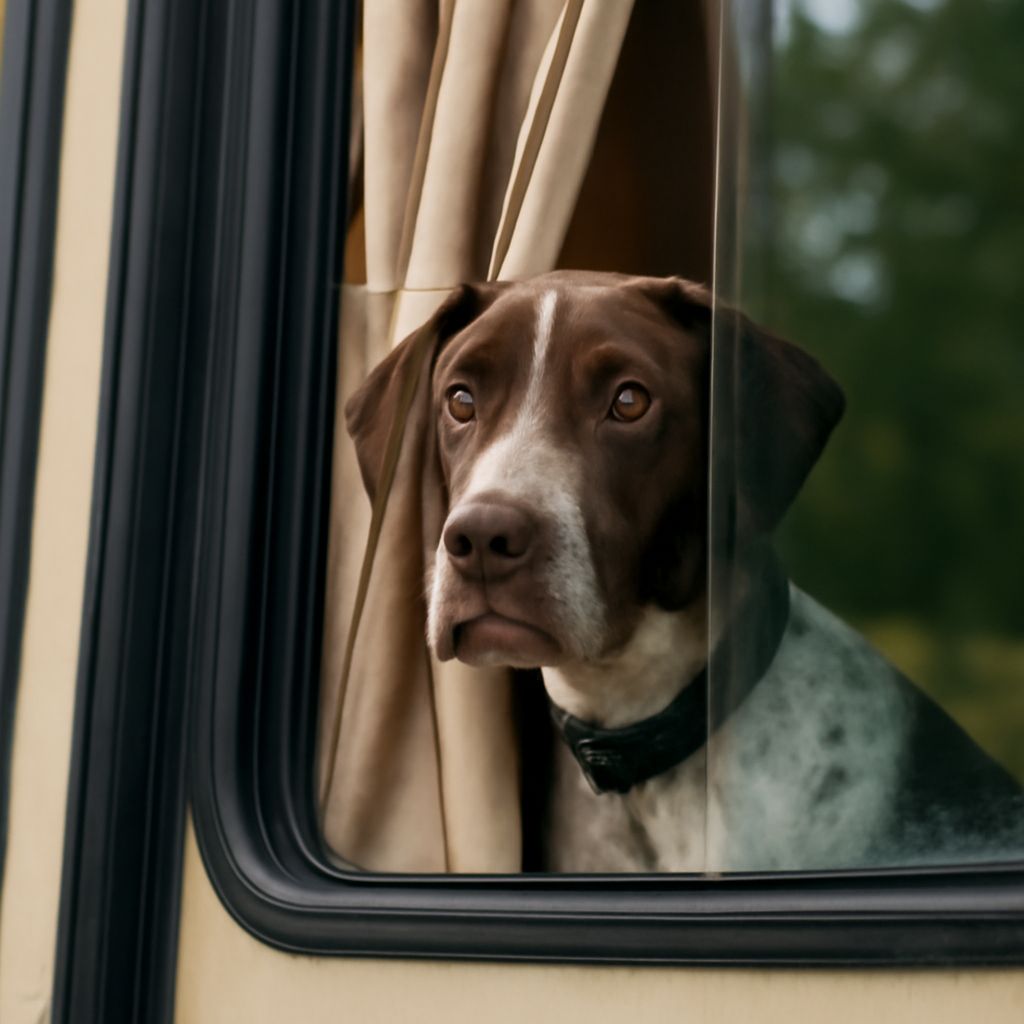
Plan for regular exercise, a secure leash, and a voice that can carry before bringing a coonhound with English ancestry developed in America into your home. This athletic scent hound may enjoy a long walk, a chance to follow interesting smells, and a comfortable place to rest afterward. Ask about the individual dog’s activity level and household experience before deciding how that routine will fit your own.
A working background offers clues, not a complete personality profile. A young dog accustomed to outdoor activity and an older dog living in a foster home may need very different schedules.
English Coonhound Names and Family Connections
The American English Coonhound is one of several distinct coonhound breeds. The United Kennel Club calls the breed the English Coonhound and traces its development to hounds brought from England and adapted to American hunting conditions. The breed has also been called the English Fox and Coonhound.
The name Redtick is sometimes used for these dogs because of a common coat pattern, but ticking can appear in more than one color. The AKC’s overview of coonhound breeds distinguishes this breed from others, including the Bluetick and Treeing Walker. A dog’s color alone cannot confirm its breed; ask a breeder or rescue what documentation or history supports the identification.
The American coonhound family shares a history of following scent and giving voice, yet individual dogs differ in experience and intensity. Ask the caregiver what the dog does on walks, around visitors, and when left alone. Those observations are especially valuable when considering a rescue whose early history is incomplete.
Size and Room to Move
The AKC’s breed comparison describes typical adult males as 24–26 inches tall at the shoulder and females as 23–25 inches, with both commonly weighing 45–65 pounds. A particular dog may fall outside those figures. That is a substantial companion when excited by a scent at the other end of a leash.
Before bringing one home, check that you have room for a bed where the dog can stretch out, a safe car restraint, and a secure resting area. An apartment may work for an individual whose exercise and noise needs can be met, but nearby neighbors and shared hallways make it especially important to ask how often the dog vocalizes and how it settles indoors.
For English coonhounds from America, a puppy’s adult size and energy level are estimates rather than promises. Ask about the parents when information is available, and plan for a dog large enough to need training that every household member can manage.
Exercise a Nose as Well as a Body
Coonhound traits include a strong interest in scent and the stamina to follow a trail. Build daily walks around safe exploration: allow time to sniff, vary routes, and practice a few cues in quiet places. A secure, well-fitted harness and leash give you a way to manage the moment a fascinating smell appears. Keep identification and microchip details current.
Add games that use the nose. Scatter a portion of a meal in a safe area, hide treats in easy-to-find places, or teach the dog to locate a toy. These activities can complement walks and play; they do not replace opportunities to move. Keep sessions short enough that the dog finishes interested and comfortable.
Use a securely fenced area for off-leash exercise. A scent can draw a hound far from its person, so practice recall on a long line in an appropriate safe space before adding distractions. Reward the dog for coming back and sometimes release it to explore again. A good response in the kitchen is the beginning of training, not evidence that a dog is ready to run loose near traffic.
For puppies, choose gentle, age-appropriate play with rest breaks. Build an adult dog’s fitness gradually, and ask your veterinarian about exercise limits for an older dog or one with an injury. Stop for limping, unusual fatigue, or reluctance to continue, and provide water and shade in warm weather.
Life With a Vocal Scent Hound
An english coon hound may bay, bark, or howl when excited or following a scent. Ask the rescue or breeder when the dog tends to vocalize and whether it can settle after a walk. Listen during a visit if possible. One dog may be fairly quiet at home while another has opinions about every delivery truck.
Teach a calm resting routine as deliberately as you teach walking skills. Offer a comfortable bed, reward quiet moments, and make sure the dog has had appropriate activity and companionship. If barking appears when the dog is left alone, record what happens and ask your veterinarian or a qualified behavior professional for help. Do not assume that more exercise alone will resolve distress.
American English coonhounds can be sociable, but introductions still need planning. Ask about the dog’s experience with children, other dogs, cats, and small animals. Supervise children and give the dog a place to retreat. Use barriers and controlled introductions with smaller pets; a scent hound’s interest in pursuit can make some combinations unsuitable without careful management.
Coat, Ears, and Health Care
The short coat is relatively straightforward to maintain. Brush weekly with a soft brush or grooming mitt to remove loose hair and check for scrapes, ticks, or irritated skin. Bathe when dirty with dog-formulated shampoo. The coat still sheds, so a washable bed cover is a sensible addition to the shopping list.
Check the long ears regularly for redness, odor, discharge, or discomfort. Ask your veterinarian how and when to clean them, and avoid pushing swabs deep into the ear canal. Trim nails, brush teeth with dog toothpaste, and make routine veterinary care part of the budget.
If you are considering coonhounds of the American English breed from a breeder, ask for the parents’ registered names, health screening records, and information about the puppy’s early experiences. A rescue may have different records available; ask what examinations, vaccinations, and observed health concerns it can document. Review the information with your veterinarian rather than relying on a general assurance that the dog is healthy.
Make the Match Personal
Ask to meet the dog more than once if possible. Take a walk, observe its response to a new smell, and spend time in a quieter setting afterward. Ask how much exercise it receives now, what helps it settle, and whether it has lived with other animals or children. A foster caregiver can often describe a daily routine in practical detail.
Before deciding, walk the dog on a scent-rich route and listen to its voice with the caregiver; then decide when your family can provide that kind of outing and whether your home can accommodate its vocal habits.