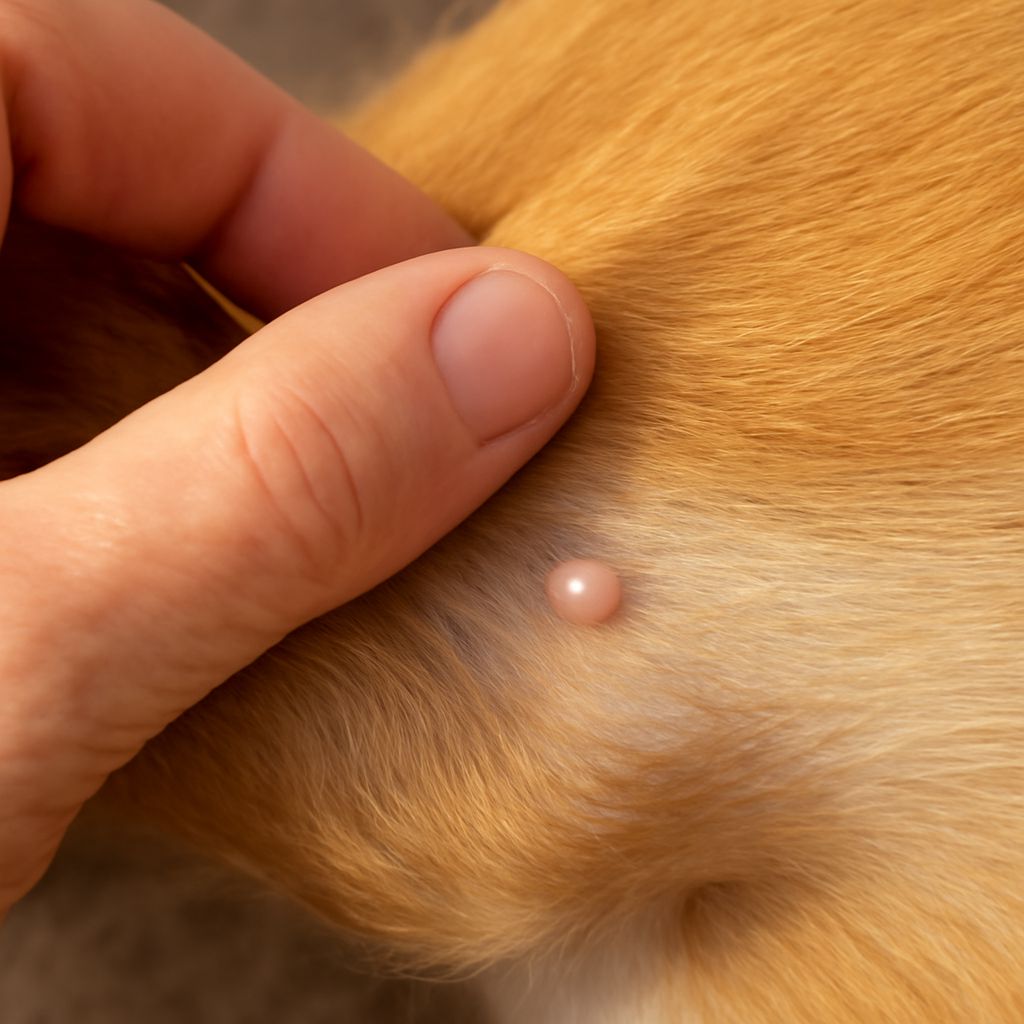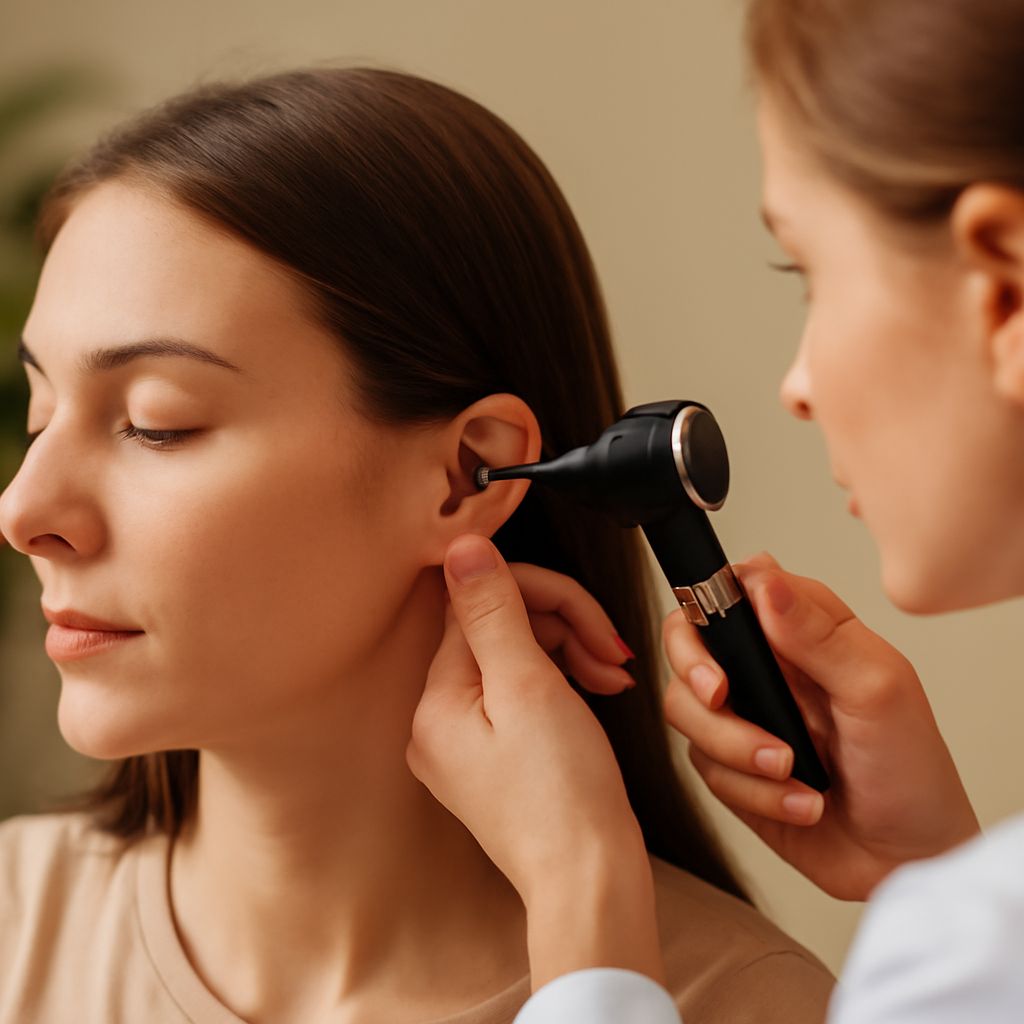
It’s a common misconception that dog ear anatomy is simple and straightforward. The truth is that the structure of a dog’s ear is complex, requiring proper care to maintain optimal health. Understanding this intricacy is essential to prevent problems like infections, which can significantly impact your pet’s well-being. Knowing the ins and outs of the dog ear canal will aid in promoting overall ear health for your furry friend.
What is the Structure of Dog Ear Anatomy?
The anatomy of a dog’s ear is divided into three main parts: the outer ear, middle ear, and inner ear. The outer ear consists of the pinna and the ear canal. The pinna is the external part that collects sound waves, channeling them into the ear canal. The middle ear contains the eardrum and several small bones that transmit sound vibrations to the inner ear. The inner ear is responsible for hearing and balance, housing the cochlea and vestibular system. Each component plays a vital role in how dogs perceive sound and maintain equilibrium.
How Does the Dog Ear Canal Function?
The dog ear canal is L-shaped, diverging from the human ear’s straight structure. This unique shape helps with sound localization and protection, but it also makes dogs more prone to ear infections. Sound waves travel through the canal, reaching the eardrum where they are converted into vibrations. These vibrations are then transmitted through the middle ear’s bones to the inner ear, where they are processed into nerve signals sent to the brain.
The ear canal is lined with glands that secrete cerumen, or earwax, which traps debris and prevents it from reaching deeper into the ear. Regular cleaning, ideally guided by a licensed stylist or veterinarian, is crucial to prevent wax build-up and ensure a healthy ear environment.
What Are Common Dog Ear Health Issues?
Several health issues can affect dog ears, with infections being the most prevalent. Bacteria, yeast, and parasites thrive in the warm, moist environment of the ear canal, leading to discomfort and potential hearing loss if untreated. Regular checks and cleaning can prevent many of these issues.
Allergies also contribute to ear problems. They cause inflammation and excess wax production, creating a breeding ground for infections. Monitoring your dog’s diet and environment can help manage these allergic reactions.
Physical trauma and foreign bodies like grass seeds can also affect ear health. If your dog is shaking its head excessively or scratching its ears, a consultation with a veterinarian is advisable to rule out serious conditions.
Sometimes, more severe conditions like tumors or polyps can form in the ear canal. These require professional intervention for diagnosis and treatment, emphasizing the importance of regular veterinary check-ups.
Bottom line: Understanding dog ear anatomy is key to maintaining your pet’s ear health. Regular cleaning and monitoring for signs of discomfort can prevent many common ear issues. For complex problems, always consult a professional to ensure your dog’s ears stay healthy and functional.