Ant bites on dogs are often misunderstood. Many pet owners might not realize their furry friend could fall victim to these tiny insects. Though small, ant bites can cause discomfort and lead to more serious issues if not addressed. This guide will help you identify and treat ant bites on dogs, ensuring your pet remains healthy and happy.
If you’ve ever wondered, “What do ant bites look like on a dog?” you’re not alone. Recognizing these bites is crucial to addressing them promptly and preventing future incidents. Let’s delve into how you can protect your canine companion from these pesky insects.
What Do Ant Bites Look Like on a Dog?
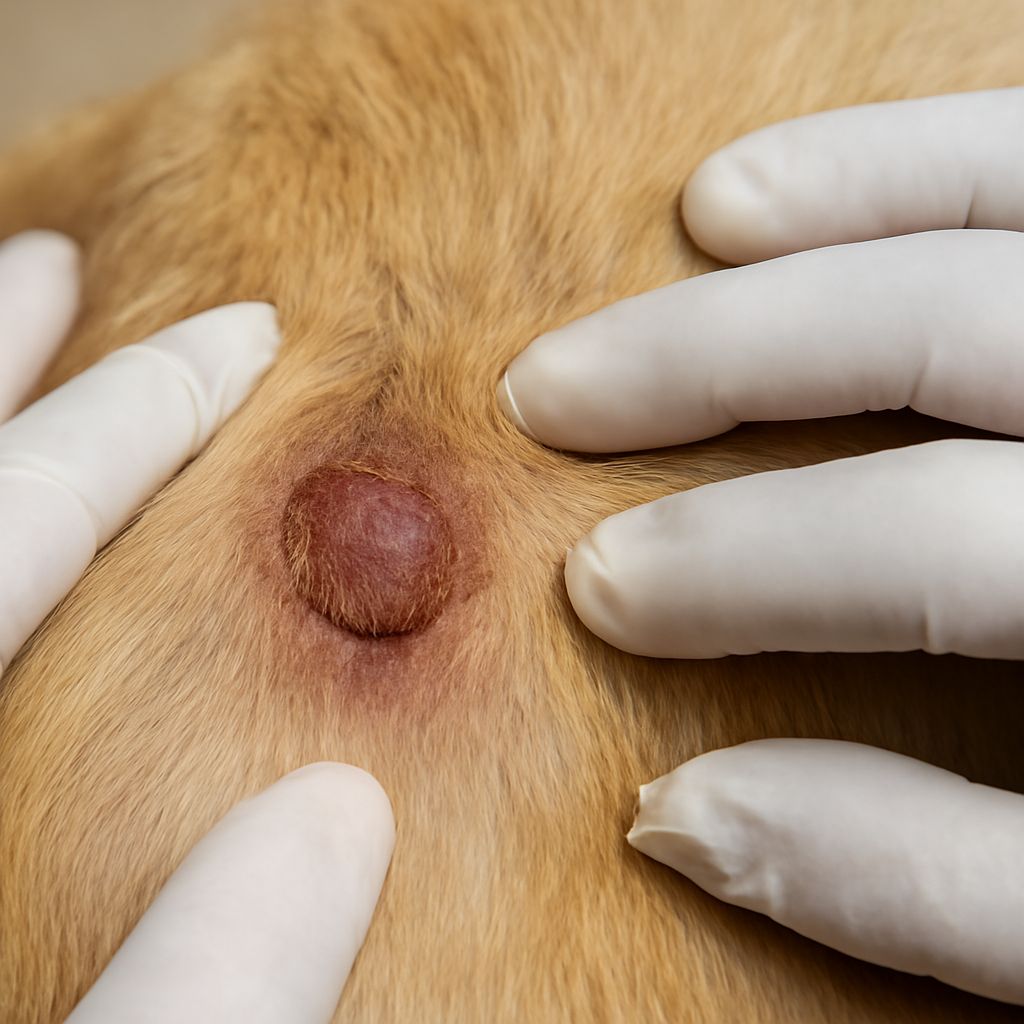
Ant bites on a dog typically manifest as small, raised red bumps on the skin. These bites can sometimes be mistaken for other irritations or allergic reactions. It’s essential to observe the affected area closely. Ant bites may be clustered together, especially if your dog has disturbed an anthill.
While the bites themselves are often harmless, they can lead to itching and discomfort. In some cases, if a dog is particularly sensitive, the area around the bite may swell and become more pronounced. Monitoring your dog’s skin for changes can help you identify these bites early.
How Do Ant Bites Affect Dogs?
The effects of ant bites on dogs can vary. For some, a simple bite may cause mild irritation, while others could experience more severe reactions. It’s crucial to recognize how your dog reacts to these bites.
Common symptoms include redness, itching, and discomfort in the affected area. In certain cases, dogs may exhibit signs of an allergic reaction, such as swelling, difficulty breathing, or lethargy. If any of these severe symptoms appear, contact a veterinarian promptly.
Ant bites can also lead to secondary infections if your dog scratches the area excessively. Keeping an eye out for any changes in behavior or health is vital to ensure your pet’s well-being.
How Can You Treat Ant Bites on Dogs?
Treating ant bites on dogs involves several steps. First, clean the affected area gently with mild soap and water to reduce the risk of infection. Applying a cold compress can help alleviate swelling and itching, providing some relief to your pet.
Over-the-counter antihistamines designed for dogs might reduce allergic reactions, but always consult with a veterinarian before administering any medication. They can provide guidance on the appropriate dosage and ensure it’s safe for your dog.
If the bite area becomes infected or your dog displays severe symptoms, professional veterinary care is necessary. A licensed veterinarian can offer specialized treatments, such as prescription medications or topical ointments, to address severe reactions.
Preventing Ant Bites on Your Dog
Prevention is key to protecting your dog from ant bites. Regularly inspect your yard for ant nests and treat them with pet-safe insecticides. Keeping your lawn well-maintained can deter ants from forming colonies.
During walks, remain vigilant in areas where ants are likely to dwell, such as sandy or grassy locations. Training your dog to avoid ant-infested areas can also be beneficial. Wearing protective gear, such as dog boots, can provide an additional layer of defense.
By taking proactive steps, you can significantly reduce the risk of your dog encountering these pests. Awareness and vigilance are your best tools in safeguarding your furry friend against ant bites.
Safety recap: Always consult a veterinarian for severe reactions or if you’re uncertain about how to treat an ant bite. Proper identification and treatment can prevent complications and ensure your dog’s comfort and health.