At first glance, a dog licking air might seem like an amusing quirk, but this behavior can be a signal of underlying issues. Some pet owners might assume this behavior is harmless, yet it can be indicative of discomfort or even a health problem. From infected neuter incision dog care to what to expect after dog teeth cleaning, understanding these actions can help you provide better care for your furry friend.
Furthermore, receiving a heartfelt letter from a dog to owner after death can offer solace in times of grief. Such communications can express sentiments and memories, easing the emotional burden during difficult periods. Exploring these elements not only deepens our connection to pets but can also enhance their well-being and our own emotional health.
Why Is My Dog Licking Air?
There are various reasons why a dog might engage in air licking, ranging from benign to serious. Occasional licking of air can be a simple reaction to environmental stimuli, capturing scents or tasting particles in the air. However, excessive licking may be symptomatic of issues like gastrointestinal discomfort or neurological disorders. If your dog persistently licks the air, consulting a veterinarian is advisable to rule out any underlying health concerns.
Another common cause is anxiety or stress, which might lead your pet to exhibit behaviors such as licking. Similarly, compulsive disorders can manifest through this habit, needing attention to determine the root cause and appropriate treatment. Recognizing these signs early can prevent the progression of potential health issues.
How to Care for an Infected Neuter Incision in Dogs
If your dog is licking its neuter incision, particularly if it appears infected, immediate care is necessary. Clean the affected area gently with antiseptic solutions recommended by your vet to prevent further infection. Keeping the incision dry and monitoring for signs of redness, swelling, or discharge is crucial during the healing process.
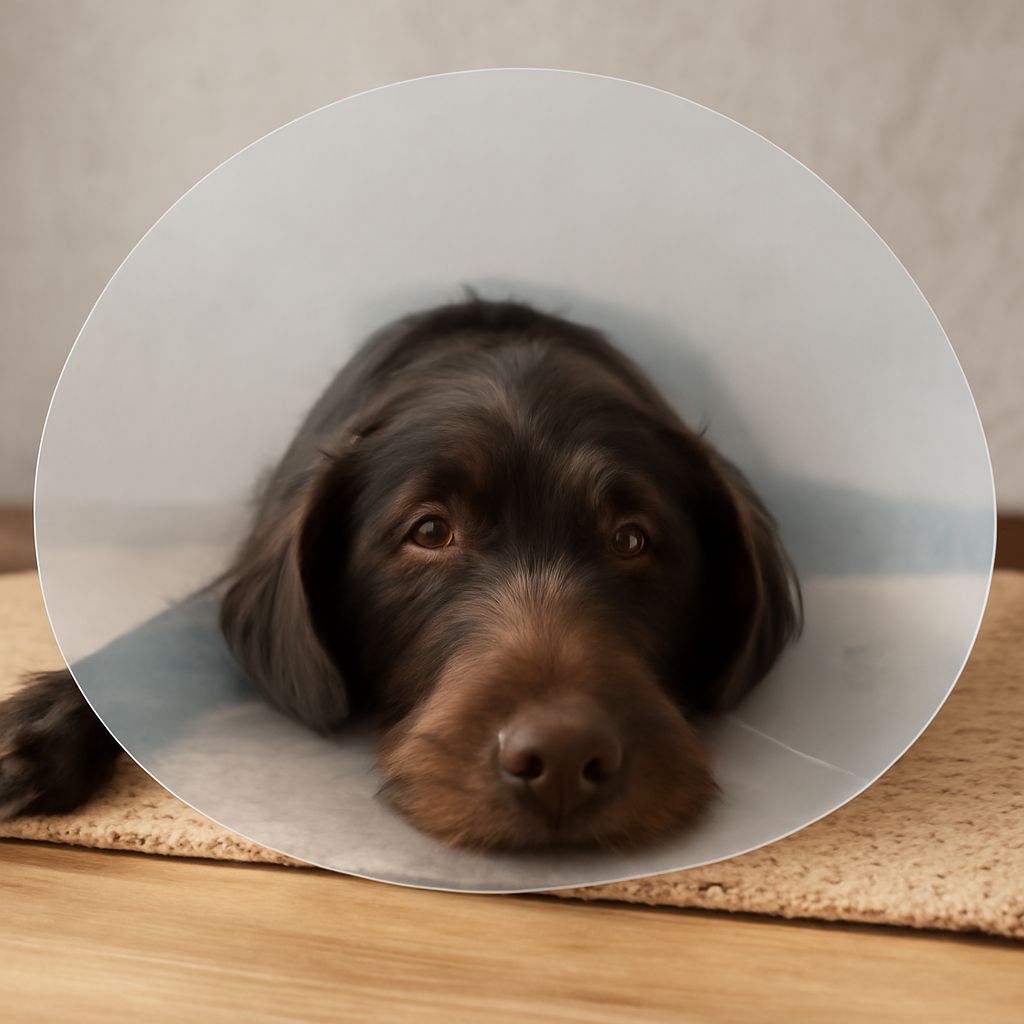
Additionally, using an Elizabethan collar can deter your dog from licking the incision, thus allowing it to heal properly. Ensure that your dog receives adequate rest and a balanced diet to support recovery. Regular check-ups with your veterinarian will assure that the incision heals correctly and complications are minimized.
What to Expect After Dog Teeth Cleaning
After your dog’s teeth cleaning, it is normal for them to experience some discomfort. They might lick their lips or air as a reaction to the dental procedure. Expect some changes in eating habits; softer foods may be easier for them to consume until any soreness diminishes.
Post-procedure care includes monitoring for any signs of pain, swelling, or persistent bleeding. Contact your vet if symptoms persist as they may indicate complications needing professional attention. Keeping your pet hydrated and comfortable will facilitate their recovery.
Understanding Dog Behavior: Licking Stitches After Neuter
Dogs often lick their stitches after neuter surgery, which can impede the healing process. This behavior might be driven by discomfort or the instinct to groom, posing a risk of infection if not managed. Providing protective gear such as recovery suits can help deter your pet from interfering with its stitches.
Additionally, keeping your dog occupied with toys or engaging activities can distract them from licking. Observe their behavior closely and consult your veterinarian if you notice prolonged licking or signs of infection in the wound area.
Coping with Loss: A Letter from Dog to Owner After Death
Experiencing the death of a pet is profoundly challenging, and finding ways to cope is essential. Receiving a symbolic letter from your dog can offer comfort and closure. Such a message can convey cherished memories and express gratitude for the love shared.
Writing or receiving this letter can be a therapeutic exercise, allowing owners to process their emotions and celebrate their pet’s life. Combining these personal reflections with supportive communities or professional counseling can help navigate the grief journey effectively.