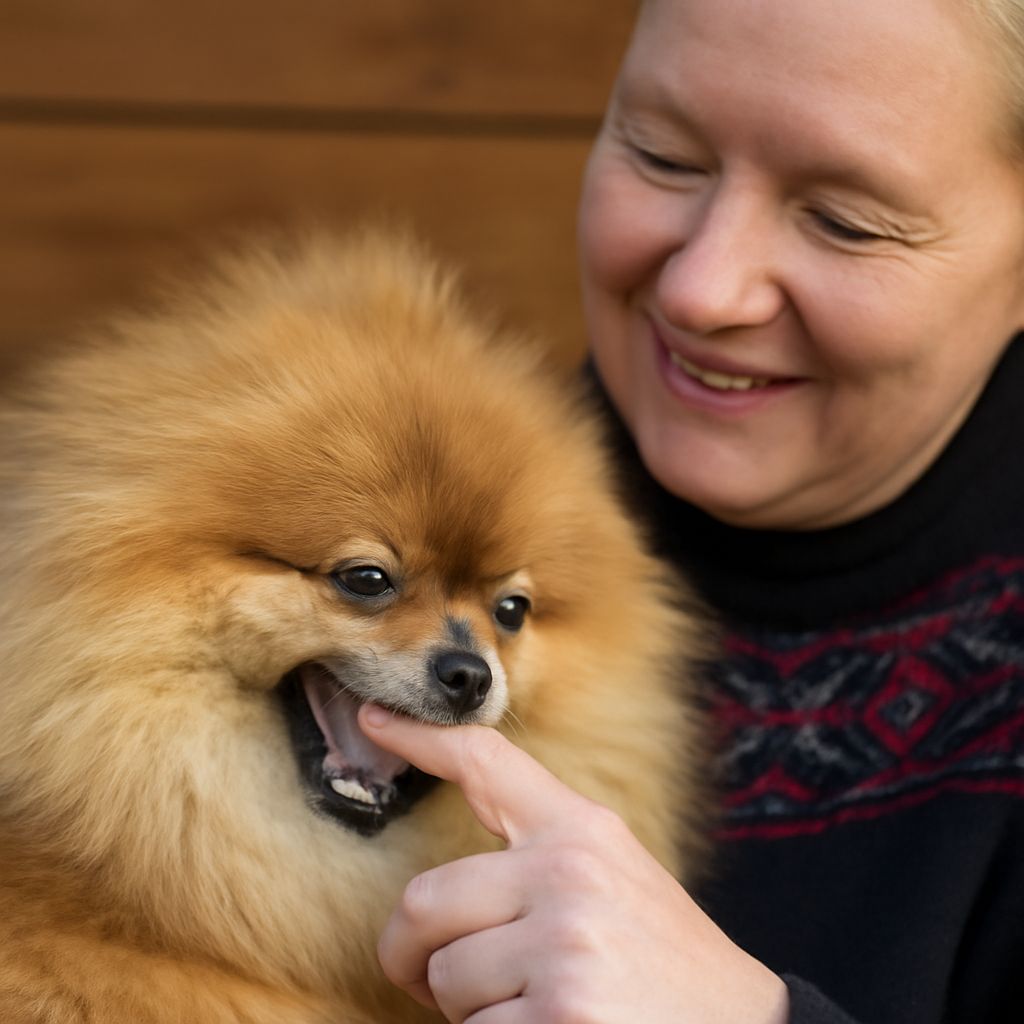
Every dog owner has heard the advice: “Desensitize your dog to improve its behavior.” Yet, many myths persist about how to effectively achieve this. Some believe desensitization is all about repetitive exposure to fears, while others claim it’s an overly complex process. The truth is, learning how to desensitize a dog involves consistent, gentle exposure to stimuli in a controlled manner. Moreover, understanding how to restrain a dog safely is another crucial aspect of managing behavior. For instance, concerns like if a dog bites someone will it be put down can be mitigated by proper training and handling techniques. Additionally, for those worried about how to tell if a dog is in pain from cancer, recognizing subtle signs is key to providing the necessary support.
Understanding Dog Desensitization
Desensitizing your dog is the process of gradually exposing it to stimuli that previously triggered fear or anxiety. This exposure helps the dog become accustomed to the stimuli, reducing stress and undesirable behaviors. Start by identifying the specific triggers for your canine, such as loud noises or new environments. Gradual exposure should be paired with positive reinforcement, offering treats or praise when your pet remains calm. This method fosters a sense of security and helps diminish anxious responses over time.
How to Safely Restrain a Dog
Safe restraint is vital for both the dog’s safety and your own. To restrain dogs effectively, use a harness instead of a collar, as this provides better control and minimizes the risk of injury. A well-fitted harness ensures that your dog is comfortable while preventing escapades. Additionally, practice restraint techniques in a calm environment before they are necessary. This allows the dog to become familiar with the sensation, reducing stress during real situations. Remember, the best way to restrain a dog safely is through patience and consistent practice.
Addressing Concerns About Dog Bites
The question “Will my dog be put down if it bites someone?” is a common concern among pet owners. The answer is not straightforward, as it largely depends on the circumstances and the local laws. However, understanding your dog’s behavior and preemptively addressing aggression can mitigate these risks. Ensure your pet is well-socialized from a young age and exposed to various environments and people. If a bite does occur, it’s crucial to assess the incident and consult with a professional trainer or behaviorist to address underlying issues.
Identifying Pain in Dogs with Cancer
Common Signs of Pain
Recognizing signs of pain in a dog with cancer is essential for their well-being. Dogs often exhibit subtle indicators such as changes in appetite, reluctance to move, or unusual vocalizations. Carefully monitoring these changes can help you determine if your pet is experiencing discomfort. Behavioral changes can also signal pain, including increased aggression or withdrawal.
Effective Management Strategies
Effective pain management involves consulting with a veterinarian to develop an appropriate care plan. This may include medications to alleviate pain or therapies to enhance comfort. Monitoring your dog’s behavior regularly and maintaining open communication with your vet ensures adjustments can be made to their treatment plan as needed. Additionally, supportive care like acupuncture or massage can complement traditional treatments, offering relief and improving quality of life.
Bottom line: Learning how to desensitize a dog and understanding how to restrain it safely are essential skills for any pet owner. By addressing bite concerns and recognizing signs of pain, you can ensure your furry friend leads a healthy and well-adjusted life. Professional advice should be sought when dealing with complex behavior issues or health conditions to provide the best care possible.