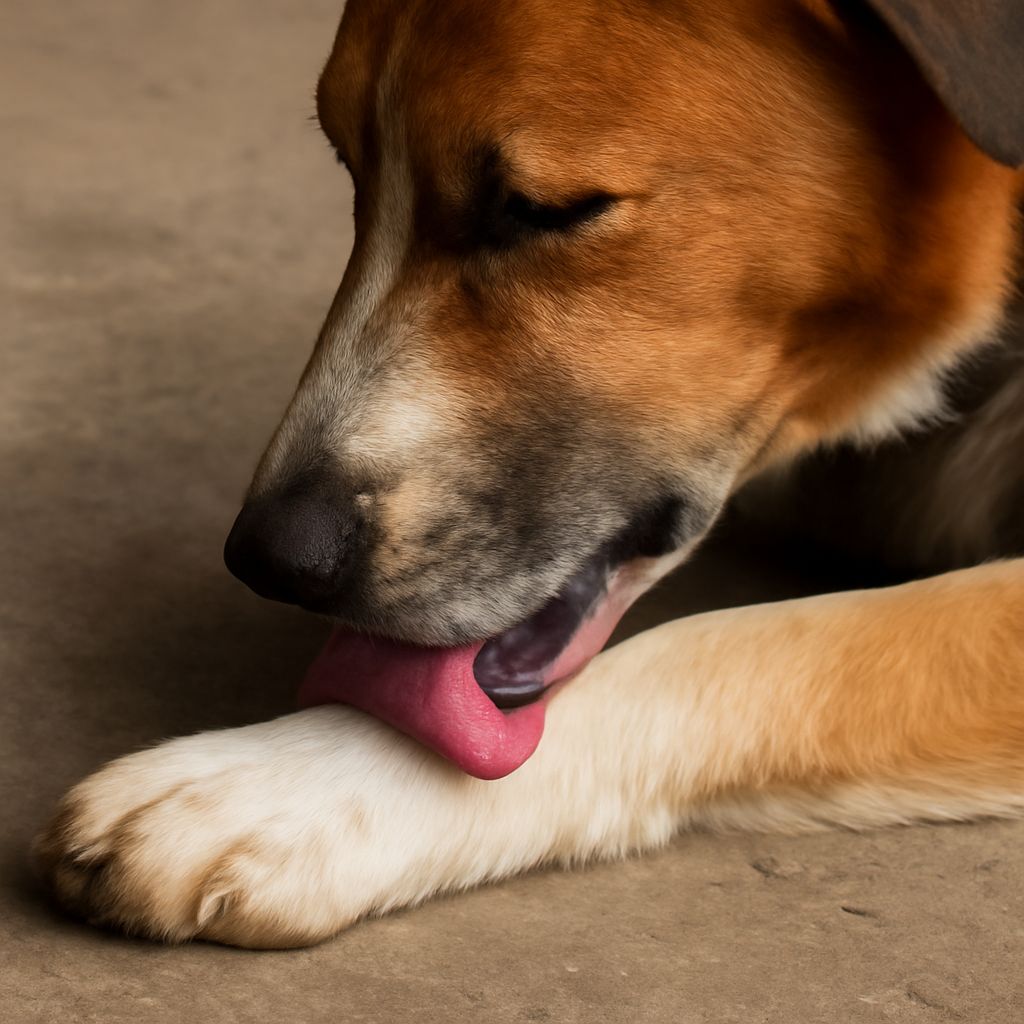
If you’ve ever seen your dog licking paws a lot, you might wonder why they engage in this behavior. It’s a common misconception that a dog keeps licking paws simply out of boredom or habit. While these can be factors, there are numerous reasons behind this behavior, ranging from medical issues to environmental influences. Understanding these can help you determine why your dog licks his paws and how to address it effectively. Let’s debunk some myths and get to the heart of the issue.
In many cases, when a dog licks his paws excessively, it may point to underlying conditions that require attention. Whether it’s allergies, infections, or stress-related behaviors, recognizing the cause is essential for appropriate intervention. By delving into the possible triggers, you can better manage and possibly prevent this concern, ensuring your pet’s comfort and well-being.
Why Does My Dog Keep Licking Paws?
Possible Medical Causes
One primary reason a dog may lick its paws excessively is due to medical issues. Allergies, including those triggered by food or environmental factors, can cause irritation, prompting a dog to lick for relief. Infections, whether bacterial or fungal, can also lead to a dog licking its paws frequently. If you notice persistent licking, it might be time to consult a veterinarian to rule out medical conditions.
Behavioral Reasons
Dog licking behaviors can sometimes stem from stress or anxiety. Just as humans might bite their nails when stressed, dogs may lick their paws as a coping mechanism. This can evolve into a habit over time, leading to continuous licking even in the absence of stress. Addressing the root behavioral causes is crucial in such cases.
Environmental Factors
Environmental elements, such as exposure to chemicals on grass or sidewalks, can also affect a dog’s paws, leading them to lick for relief. During certain seasons, allergens like pollen may exacerbate this behavior. Being aware of these external factors and minimizing exposure can help reduce instances where your dog keeps licking paws.
How to Stop Dog Paw Licking
Consulting a Veterinarian
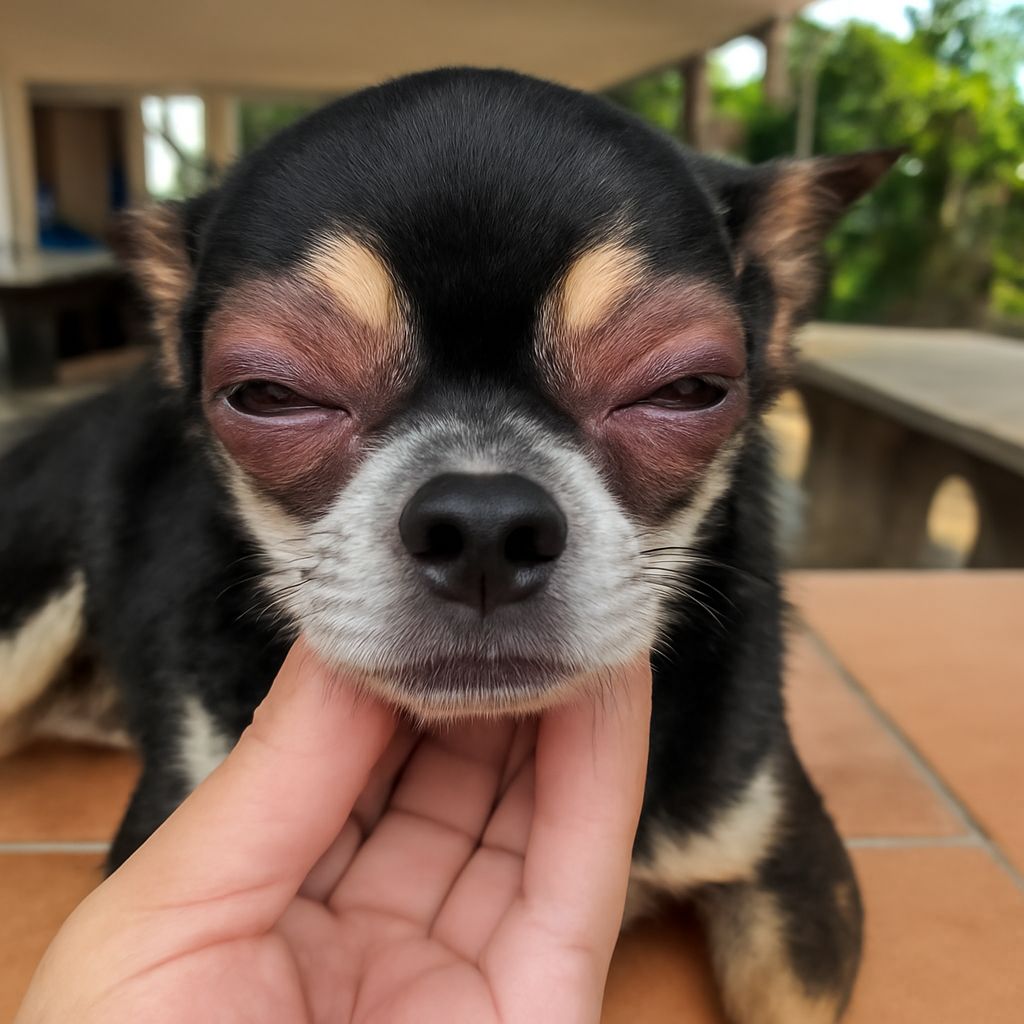
If your dog’s paw licking seems excessive or is accompanied by other symptoms like redness or swelling, consulting a veterinarian is advisable. They can provide a thorough examination and recommend treatments such as antihistamines for allergies or antibiotics for infections. Professional advice is invaluable, especially when dealing with potential health concerns.
Behavioral Training Techniques
Implementing behavioral modifications can be effective in reducing paw licking related to stress. Introducing toys that engage your dog or practicing regular exercise can distract from the behavior. Consistency in training and reinforcement of positive behaviors will aid in curtailing this habit.
Home Remedies and Solutions
In addition to professional interventions, there are several home remedies you can try. Cleaning your dog’s paws with gentle, dog-safe wipes after walks can remove irritants. Natural soothing agents, like aloe vera or coconut oil, might provide relief and reduce licking. Always ensure products are safe for canine use before application.
When Is Dog Excessive Licking Paws a Concern?
Signs to Watch For
Excessive paw licking can lead to more severe issues if left unchecked. Watch for signs like consistent redness, sores, or limping. These symptoms could indicate a more serious underlying issue requiring immediate attention.
Preventative Measures
Proactive measures, such as maintaining regular grooming and ensuring your dog’s environment is free from harmful substances, can prevent excessive paw licking. Regular check-ups with your vet will also help in early detection of potential problems.
Bottom line: Understanding why your dog licks his paws is the first step in addressing this behavior. Whether it’s due to medical, behavioral, or environmental reasons, the key is to identify the cause and take appropriate action. When in doubt, consulting a veterinarian can ensure your pet remains healthy and comfortable.