Dog owners often wonder, “Why is my dog panting so much?” Is it a sign of distress, anxiety, or just a normal canine behavior? In reality, while panting is a common activity for dogs, there are varying reasons behind it, some of which require more attention than others. Understanding these reasons can help pet owners address any potential health concerns and ensure their furry friends remain happy and healthy.
Panting can sometimes be dismissed as typical behavior, but excessive panting may indicate underlying issues. Whether your dog is panting heavily or just more than usual, knowing the difference between normal and abnormal panting is essential. This knowledge empowers you to take appropriate actions and consult a licensed stylist or veterinarian when necessary.
Understanding Normal Dog Panting
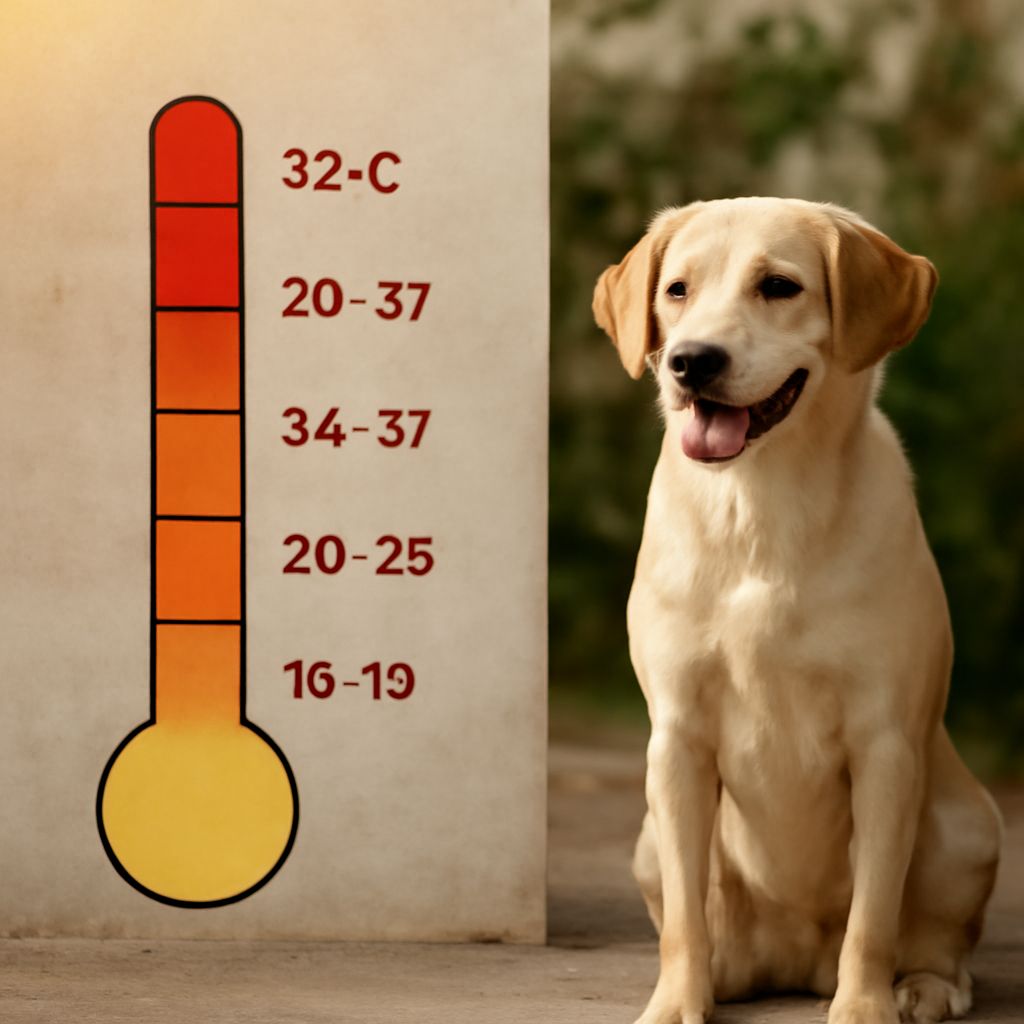
Panting is a natural mechanism for dogs to regulate their body temperature. Unlike humans, dogs don’t sweat through their skin but rather through their paw pads and by panting. Normal panting occurs after exercise or during hot weather, helping dogs cool down efficiently. It’s a part of their physiological process, much like how humans sweat after a workout or on a hot day.
Additionally, mild panting can be a response to excitement or mild stress. For instance, meeting a new person or going for a car ride might trigger this behavior. As long as the panting subsides quickly once the situation normalizes, there’s typically no cause for concern.
Why Is My Dog Panting So Much?
If you find yourself asking, “Why is my dog panting excessively?” it could be due to several reasons beyond normal cooling. Health issues such as respiratory disorders, heart problems, or obesity can cause increased panting. Additionally, certain medications might also lead to an uptick in panting behavior.
Environmental factors, like high humidity, can also impact how much a dog pants. Even emotional states, such as anxiety or fear, might cause your pet to pant more than usual. Understanding these various factors can guide you in determining if the panting is within normal limits or if there’s a more serious issue at play.
When to Be Concerned About Dog Panting Heavily
Panting heavily can be a red flag, especially if accompanied by other symptoms like lethargy, coughing, or changes in appetite. If your dog’s panting seems excessive compared to usual, it’s crucial to consult a veterinarian to rule out any underlying health conditions. Severe or sudden changes in panting frequency or intensity should not be ignored.
Sometimes, dogs may pant due to pain or discomfort. If your pet seems restless, is pacing, or shows signs of agitation alongside heavy panting, seek professional guidance. Early intervention can prevent more serious health issues down the line.
Tips for Managing Excessive Dog Panting
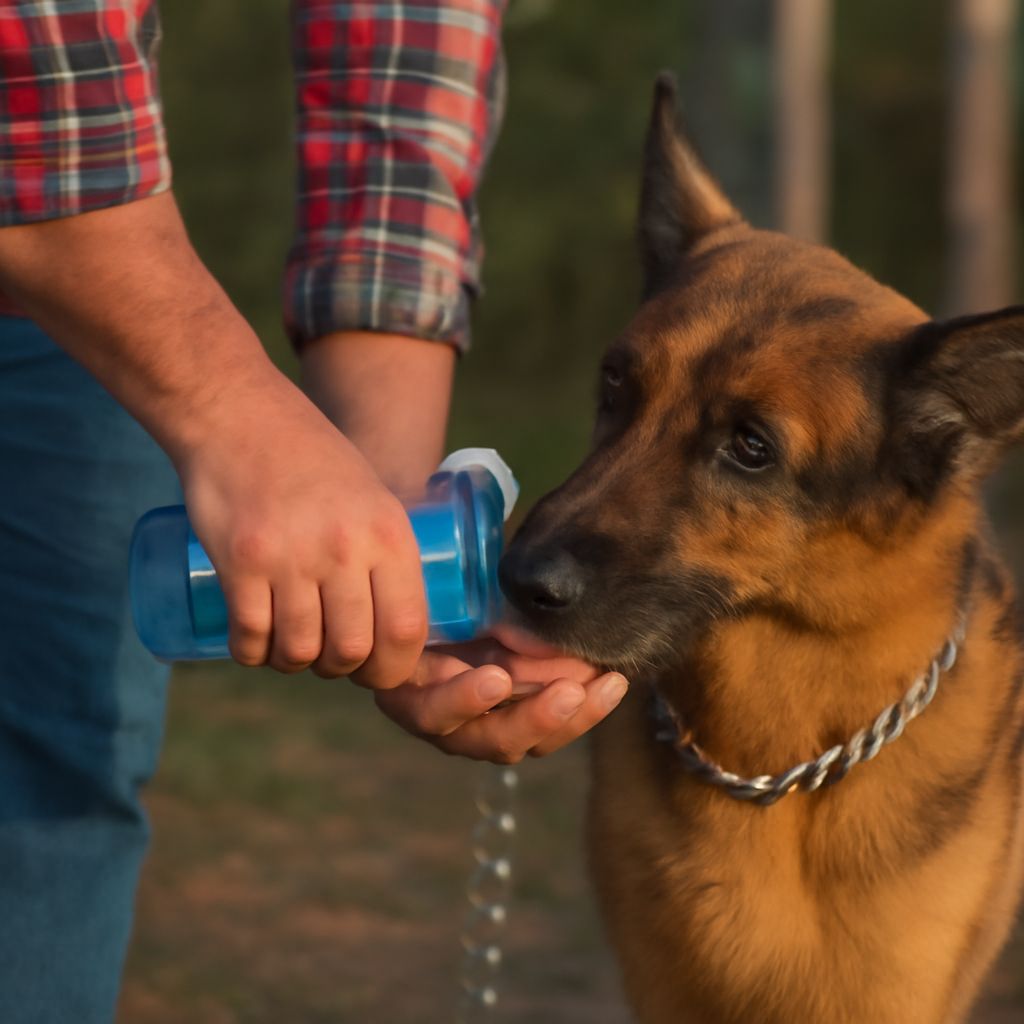
Managing excessive dog panting involves creating a comfortable environment for your pet. Ensure they have access to fresh water and a cool, shaded area, particularly in hot weather. Regular veterinary check-ups can help identify potential health problems before they escalate.
For dogs that are prone to anxiety-induced panting, training and behavioral modifications may be beneficial. Providing a calm, secure space and using positive reinforcement techniques can help alleviate anxiety. In cases of severe behavioral issues, consulting a licensed stylist or animal behaviorist might be a prudent step.
Key takeaways: Understanding the reasons behind your dog’s panting can help you determine when it’s a natural occurrence and when it might signal a health concern. Regular monitoring and professional consultations ensure your dog’s well-being. Stay proactive in managing your pet’s environment and health care needs.