Many dog owners may not realize the significant impact that a simple accessory like a do not pet dog vest can have on their canine’s well-being. The vest serves multiple purposes, from protecting your dog from unwanted attention to assisting in training. It is crucial to understand these benefits and how they can improve your dog’s daily experience.
If your dog is not eating after spay surgery, you might be concerned. This scenario is common and usually temporary, but understanding the reasons can help in managing your pet’s recovery. Additionally, knowing how to clean dog paws after a walk is essential for maintaining hygiene and health. Lastly, phrases like “this dog does not exist” can be confusing in the realm of dog care. Understanding these terms and the realities of not wanting dog care responsibilities can guide current or prospective owners in making informed decisions.
Why Use a Do Not Pet Dog Vest?
Benefits of Using a Do Not Pet Dog Vest
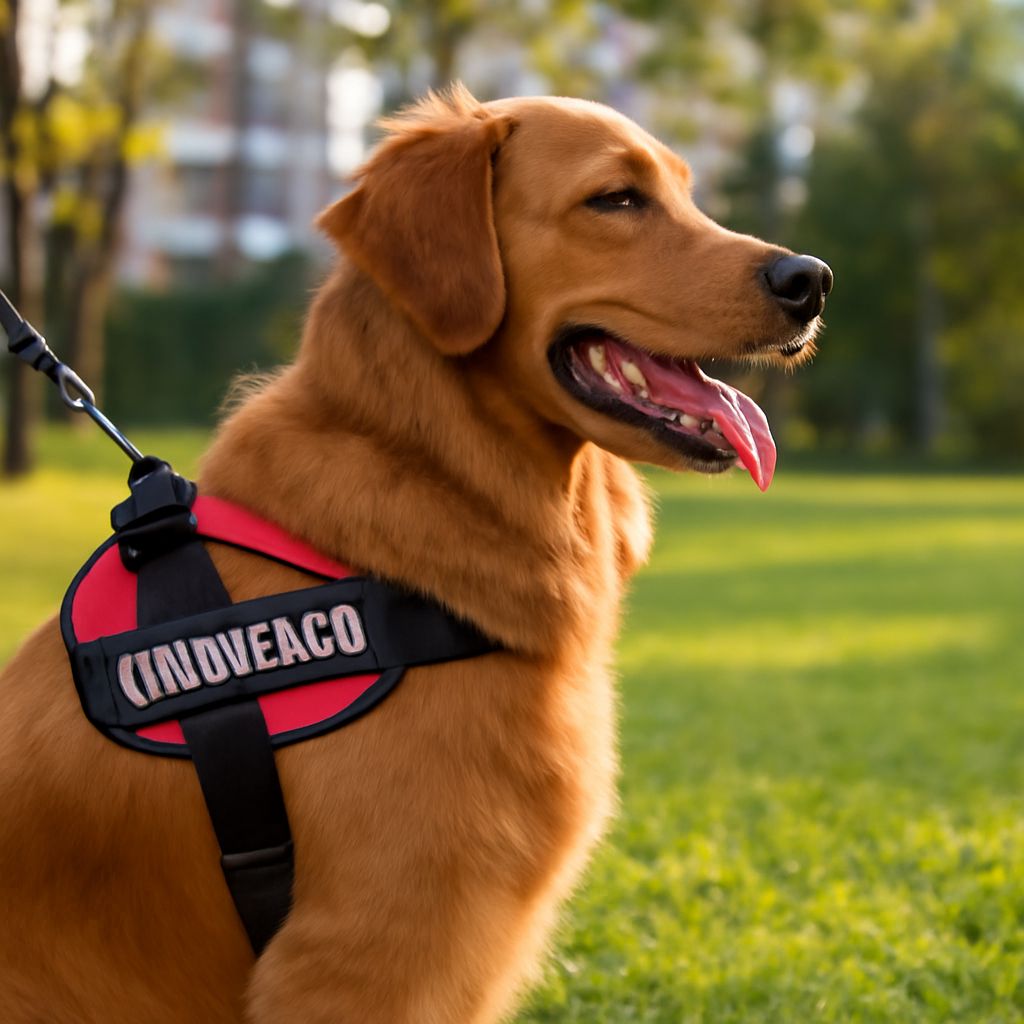
A “do not pet” vest provides essential benefits for a variety of dogs. For anxious or reactive dogs, these vests communicate the need for space, potentially preventing stressful interactions. They are also valuable for service animals that should not be distracted from their duties. By signaling to others to maintain a respectful distance, these vests enhance a dog’s comfort and security.
How to Choose the Right Do Not Pet Dog Vest
When selecting a do not pet vest, consider the material for comfort and durability. The vest should fit well but not restrict movement. Bright colors with clear lettering will ensure visibility. Ensure that the vest’s purpose is clearly communicated to avoid any misunderstandings.
What to Do if Your Dog is Not Eating After Spay Surgery
Reasons for Appetite Loss After Spay
Post-surgery, it is common for dogs to experience a reduced appetite due to anesthesia effects or discomfort. Pain and stress from the surgery can also contribute to temporary feeding issues.
Tips to Encourage Eating
To stimulate appetite, offer small, palatable meals. Soft or wet food might be easier for dogs to consume during recovery. If lack of appetite persists, consult a veterinary professional for guidance.
How to Clean Dog Paws After a Walk
Best Products for Cleaning Dog Paws
Choose cleaning products that are pet-safe and effective. Paw wipes or mild shampoos specifically designed for dogs can remove dirt without causing irritation.
Step-by-Step Guide to Cleaning Paws
Start by gently wiping off visible dirt and debris with a damp cloth. Use a pet-safe cleaner to wash the paws, ensuring to clean between the toes. Rinse thoroughly and dry the paws well to prevent irritation.
Understanding the Phrase ‘This Dog Does Not Exist’
Origins of the Phrase
The phrase “this dog does not exist” often refers to digital creations or AI-generated images of dogs. It highlights the capabilities and limitations of technology in replicating natural appearances.
Implications for Dog Owners
Understanding this concept is essential for appreciating genuine pet care needs versus digital representations. It emphasizes the importance of recognizing individual dog behaviors and requirements.
What If You Do Not Want a Dog Anymore?
Alternatives to Dog Ownership
For those reconsidering dog ownership, exploring alternatives such as fostering or volunteering with animal shelters may fulfill the desire for animal interaction without full responsibility.
Resources for Rehoming a Dog
If rehoming a dog becomes necessary, reach out to reputable rescues or shelters. It is crucial to ensure the new home is suitable and meets the dog’s needs.
Safety recap: Proper use of a “do not pet” vest can significantly benefit a dog’s social interactions. Additionally, maintaining paw hygiene is vital for a dog’s health. For complex issues such as severe appetite loss, consult a veterinarian for professional advice.