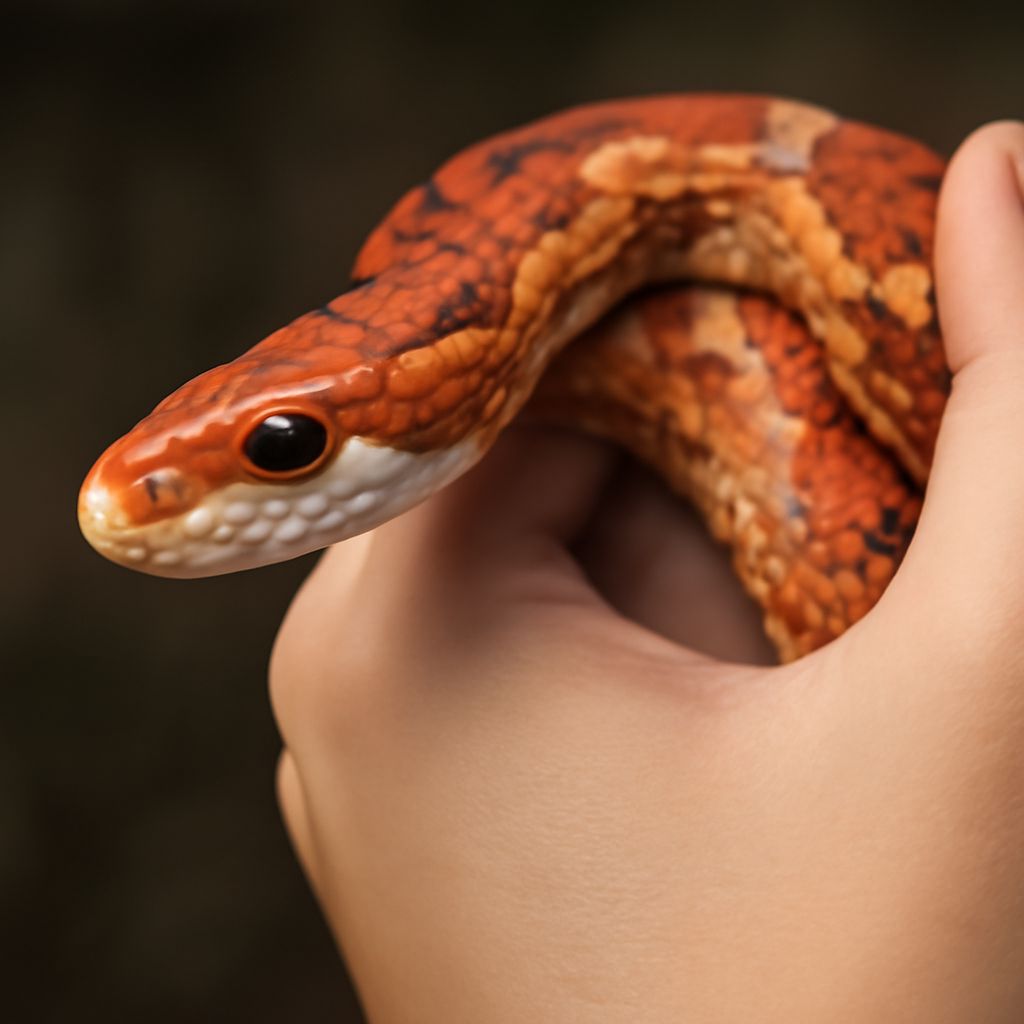
When considering adopting a new pet, the notion of a snake might not be the first to cross many minds. Yet, the perception that these reptiles are dangerous or challenging to care for is largely a myth. In reality, snakes can make the coolest pet snakes, offering unique companionship to those willing to understand their needs.
Best snake to have as a pet? It’s a question many reptile enthusiasts ponder. Contrary to popular belief, snakes that make good pets are generally low-maintenance and fascinating creatures that add diversity to your home environment. Let’s explore the options and find the best snake pets that align with your lifestyle.
Why Choose Snakes as Pets?
Understanding the Appeal of Pet Snakes
Snakes captivate pet owners with their enigmatic behavior and beautiful patterns. These reptiles offer a distinct alternative to traditional pets like cats or dogs. Their silent nature and mesmerizing movements make them a popular choice for those seeking something out of the ordinary.
Benefits of Having a Snake as a Pet
Owning a snake comes with several advantages. For one, they require relatively simple care compared to mammals. Snakes do not need daily walks or grooming, making them ideal for owners with busy lifestyles. Additionally, their feeding frequency is much lower, sometimes needing meals only once a week.
Top 5 Best Snakes to Have as Pets
Corn Snake: A Gentle Choice
Corn snakes are renowned for their docile nature and vibrant coloration, making them a top choice among snake enthusiasts. These creatures are especially forgiving to novice handlers, offering a gentle introduction to the world of reptile care.
Ball Python: Easy for Beginners
Ball pythons are celebrated for their manageable size and calm disposition. As one of the best snake pets for beginners, they are easy to handle and adapt well to captivity, requiring less maintenance than some other species.
King Snake: A Hardy Companion
King snakes are known for their resilience and striking patterns. They are robust and adapt well to a variety of environments, making them a reliable choice for both new and experienced snake owners.
Garter Snake: Low Maintenance Option
Garter snakes offer low-maintenance care requirements and a friendly demeanor. These snakes are often found in diverse habitats, indicating their adaptability and making them ideal for those new to snake care.
Milk Snake: Vibrant and Cool
Milk snakes, with their bold and colorful bands, are considered one of the coolest pet snakes. Their eye-catching appearance and manageable care needs make them a favorite among those looking to add a splash of color to their collection.
Factors to Consider When Choosing a Pet Snake
Size and Space Requirements
The size of the snake you choose will significantly impact the space needed for its habitat. Larger snakes require more room to thrive, so consider the space available in your home before deciding.
Temperament and Handling
It’s essential to understand the temperament of the species you are considering. Some snakes are more tolerant of handling than others, and choosing a species that aligns with your interaction level is crucial for a successful pet-owner relationship.
Diet and Feeding Needs
Different snake species have varying dietary preferences, ranging from rodents to insects. It’s important to research the specific feeding needs of the snake you choose to ensure a healthy diet.
Lifespan and Commitment
Snakes can live for many years, with some species exceeding two decades. Prospective owners should be prepared for this long-term commitment, ensuring they can provide consistent care throughout the snake’s life.
Caring for Your New Snake Pet
Setting Up the Ideal Habitat
Creating a suitable habitat is crucial for your snake’s health. Ensure the enclosure has proper heating, humidity, and space to explore, replicating the snake’s natural environment as closely as possible.
Feeding and Nutrition Tips
Feeding schedules should align with the snake’s specific needs, offering the appropriate prey size and type. Consult with a reptile care specialist if you have concerns about dietary requirements.
Health and Veterinary Care
Regular health check-ups with a licensed veterinarian familiar with reptiles are essential. Watch for signs of illness and ensure vaccinations and treatments are up to date to maintain your snake’s health.