An open wound on dog not bleeding seems less urgent than one that bleeds freely, but the absence of bleeding can actually indicate a deeper or older wound where initial bleeding has stopped. This does not mean it is safe to leave untreated. Any break in the skin creates an entry point for bacteria, and dogs make wound management harder by licking, which introduces oral bacteria directly into the injury. What to put on dog wound sites is one of the most searched pet health questions, and the answer depends on the wound type, depth, and how long it has been open.
What can you put on a dog wound varies by what you have available and what the wound actually needs. How to treat dog wounds at home is reasonable for minor scrapes and shallow cuts, but there are clear signs that a wound needs veterinary care rather than home management. How to treat a dog wound correctly means assessing it first, cleaning it second, and deciding on coverage and follow-up based on what you find.
Assessing the Wound Before Treatment
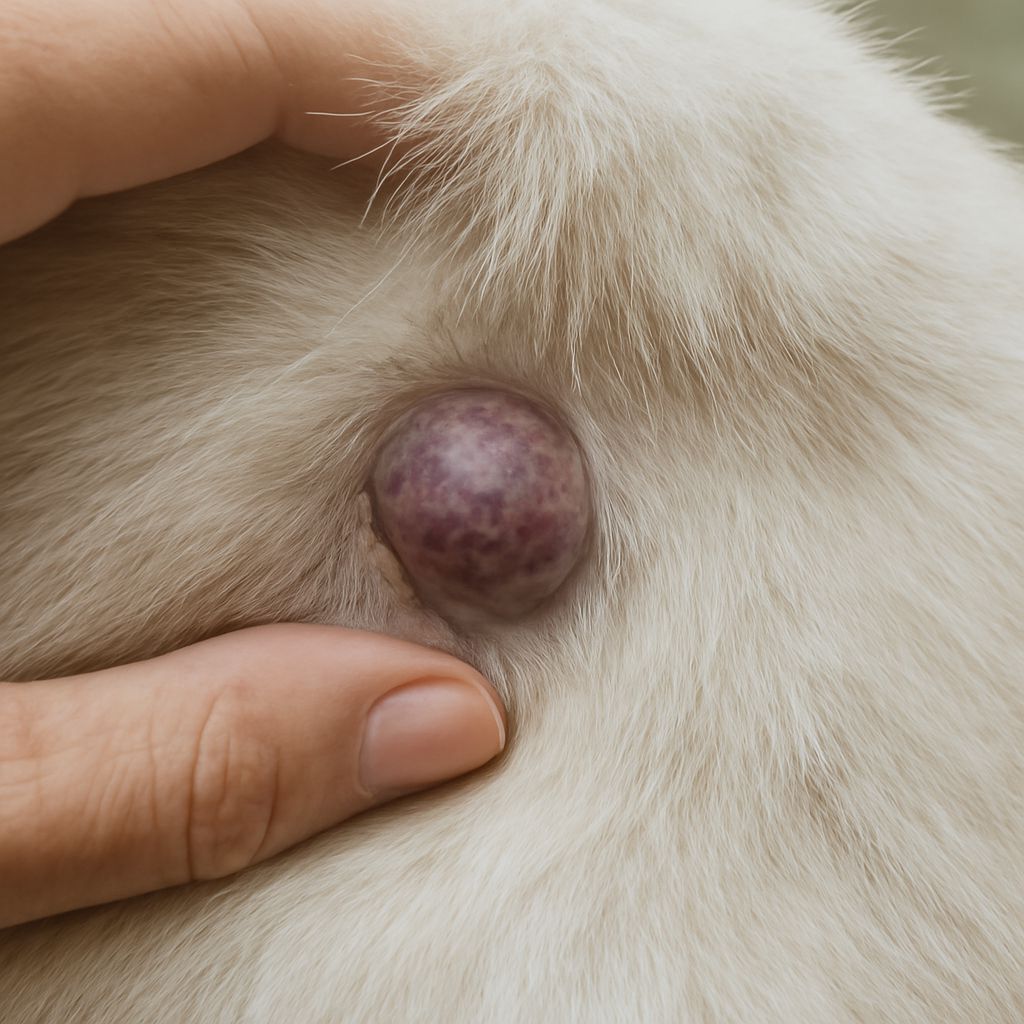
What to Look For Examine the wound under good light. A wound that is shallow — skin surface only, with edges that sit close together — is a candidate for home care. Any wound that is deep, has edges that gape open, shows fat or tissue beneath the skin layer, or smells unusual requires veterinary attention. Puncture wounds are particularly deceptive; they look minor on the surface but can be deep and create anaerobic conditions ideal for serious infection.
Note the wound location. Wounds near joints, the eyes, or the chest and abdomen carry higher risk than wounds on the outer limbs or back. A dog wound that is more than 12 hours old may already have bacterial contamination that makes home cleaning insufficient. If the dog is limping, crying when the area is touched, or the wound is expanding rather than stable, go to the vet.
What to Put on Dog Wound Sites: Cleaning and Covering
Flush the wound with clean, lukewarm water or sterile saline. This is the most important step and the one most owners skip in favor of applying a product immediately. A syringe or turkey baster creates enough pressure to clear debris without damaging tissue. Do this for at least 60 seconds on any wound with visible dirt or hair in it.
What can you put on a dog wound after flushing? A diluted chlorhexidine solution (0.05%) is appropriate for cleaning. Avoid hydrogen peroxide and iodine at full concentration — both damage healing tissue. Plain petroleum jelly over a clean wound keeps it moist and provides a barrier while you arrange veterinary assessment if needed. Do not apply human antibiotic creams without veterinary guidance; some ingredients are toxic to dogs if licked.
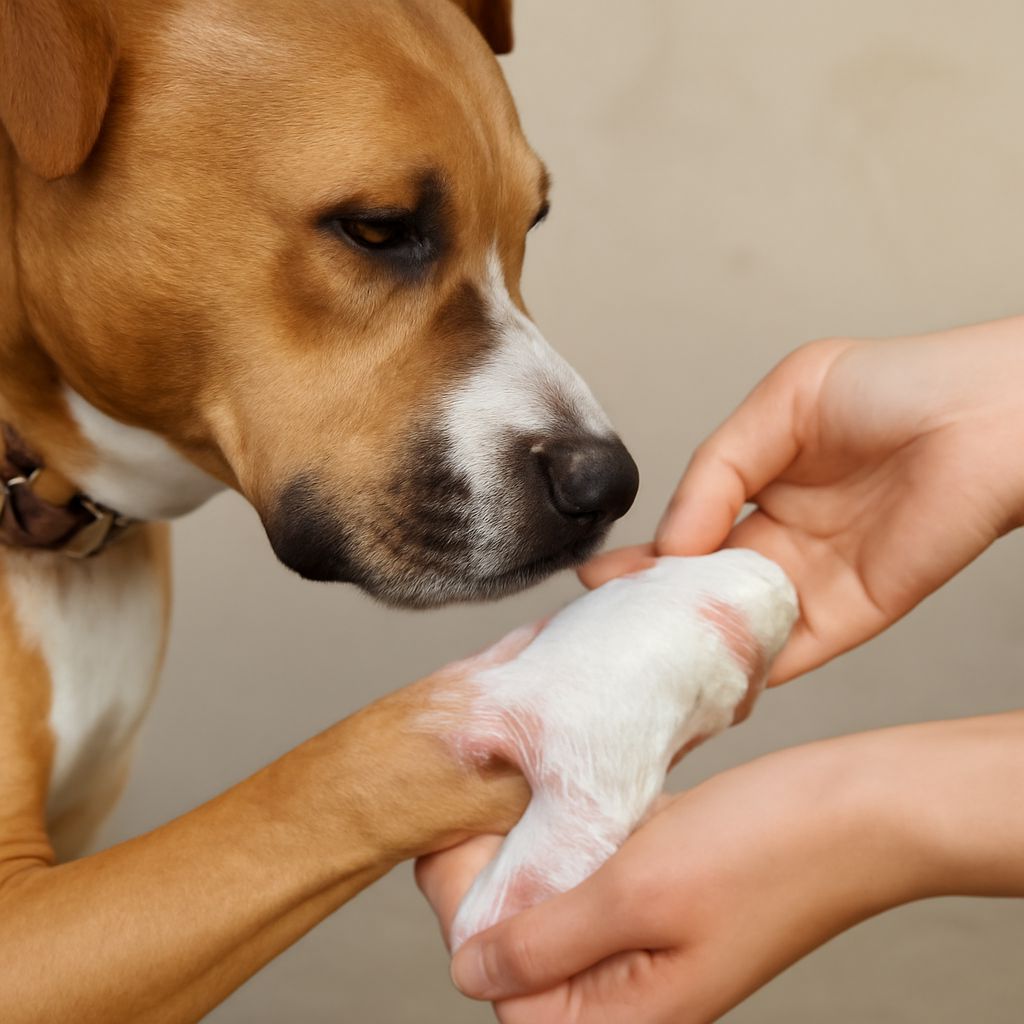
Cover the wound with a clean, non-stick pad and light bandaging to prevent the dog from licking it. An e-collar is more reliable than bandaging alone for wounds the dog can reach. Change the covering every 12 to 24 hours and check for signs of infection: swelling, warmth, discharge, or a bad smell.
How to Treat Dog Wounds That Need Veterinary Care
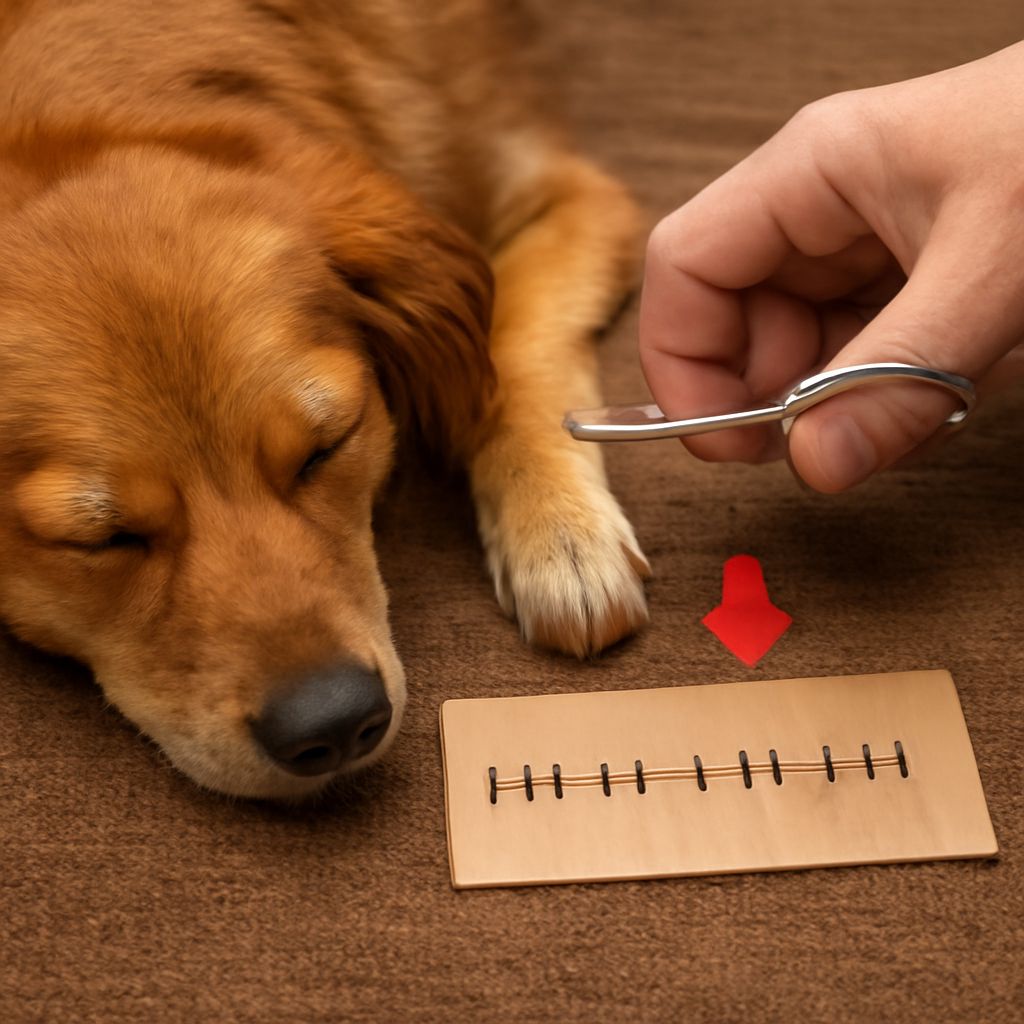
How to treat dog wounds that are deep, infected, or more than a day old is largely a job for a veterinarian. A vet will debride the wound — remove dead and contaminated tissue — and may place a drain if infection or fluid buildup is present. Wounds that are too old for primary closure are left open and managed with regular cleaning until enough healing occurs to close safely. Antibiotics are prescribed when infection is confirmed or the wound type makes infection likely.
How to treat a dog wound after a vet visit involves following discharge instructions exactly. Bandage changes, antibiotic schedules, and e-collar use are all non-negotiable parts of recovery. A wound that worsens after 48 hours of treatment — increased swelling, new discharge, the dog becoming lethargic — needs to go back to the vet immediately rather than waiting for a scheduled recheck.