When a dog cant walk suddenly, owners often assume the worst — and sometimes they are right to. Sudden mobility loss in dogs is not always an emergency, but it is always a signal that something needs attention fast. The mistake most people make is waiting to see if the dog improves on its own when the underlying cause may be progressing every hour without treatment.
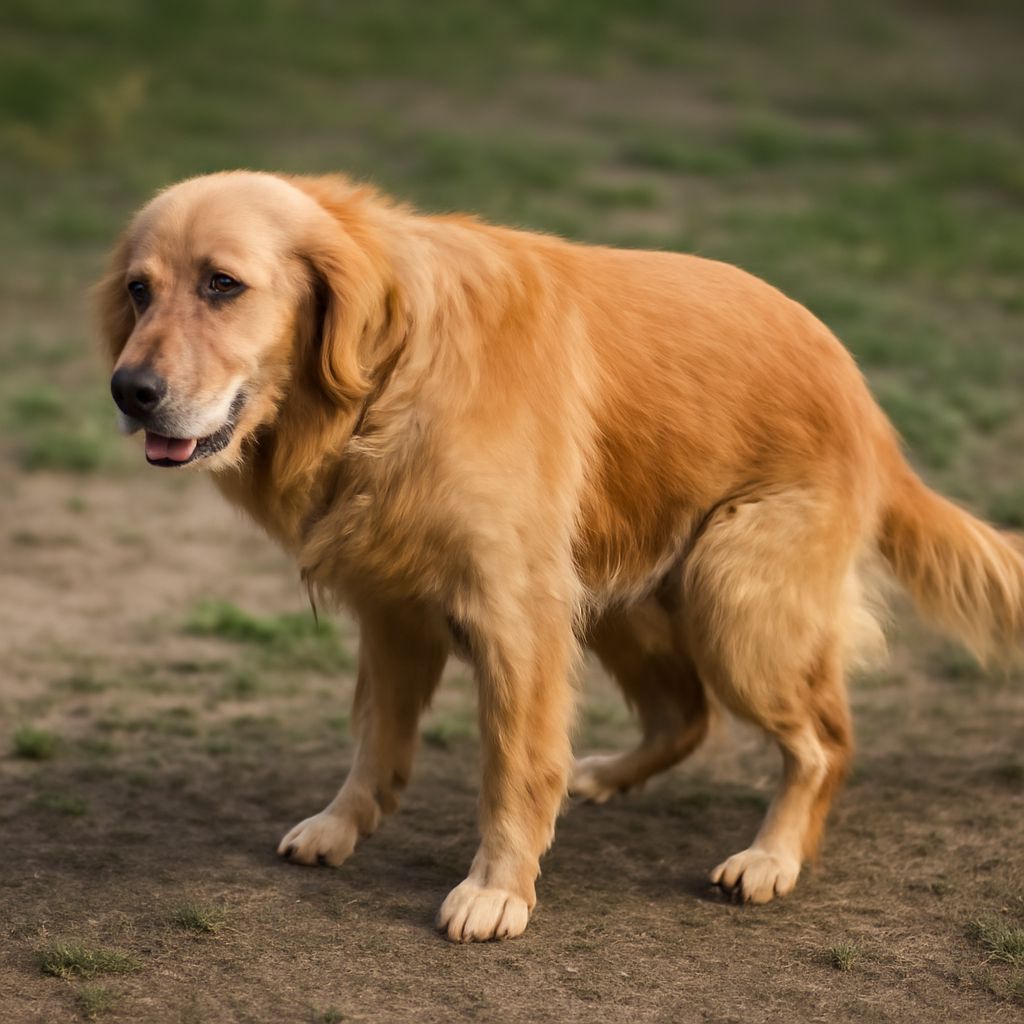
My dog can’t walk situations range from a minor muscle strain to a herniated disc pressing on the spinal cord. Dog sudden lameness in hind legs looks different from front-leg weakness, and each pattern points toward a different set of possible causes. Dog having trouble walking all of a sudden after normal activity earlier in the day narrows the diagnostic picture differently than a gradual decline over weeks. My dog is having trouble standing and walking together — rather than just one or the other — is a sign of significant neurological or musculoskeletal involvement that warrants same-day veterinary contact.
Common Causes of Sudden Lameness in Dogs
Orthopedic Injuries Sprains, strains, and fractures are the most common reasons a dog cant walk after physical activity. A dog that was running and then suddenly stopped bearing weight on one leg likely has an orthopedic injury. Cruciate ligament tears — equivalent to an ACL tear in humans — are frequent in active dogs and cause sudden hind-leg lameness without an obvious impact event. The leg may look normal but the dog will not put weight on it and may carry it held slightly bent.
Neurological Causes Dog sudden lameness in hind legs that includes stumbling, knuckling of the paws, or an uncoordinated gait points toward the spine or nervous system rather than a joint or muscle. Intervertebral disc disease compresses the spinal cord and can progress from mild pain to full paralysis within hours in severe cases. Degenerative myelopathy, a progressive neurological condition common in German Shepherds and Corgis, produces gradual hind-end weakness that eventually makes a dog unable to walk without support.
What to Do When Your Dog Is Having Trouble Walking
Limit movement immediately. Carrying a small dog or supporting a larger dog’s rear with a towel sling prevents additional injury if the cause is spinal. Do not encourage the dog to stand or walk to assess the problem — this is the right instinct for humans with a sore ankle but wrong for dogs with potential spinal involvement. Keep the dog calm and warm while you arrange transport to a vet.
Note the exact circumstances. A dog having trouble walking all of a sudden after a jump or fall helps the vet narrow the diagnosis before imaging. If the dog’s legs are visibly swollen, deformed, or if the dog cries when touched in a specific area, share that information. Time of onset, whether both legs or one are affected, and whether the dog can feel its paws when touched are all diagnostically relevant details.
Treatment and Recovery Options
My dog is having trouble standing and walking because of a disc herniation may recover with strict cage rest and anti-inflammatory medication if the neurological signs are mild. Surgery is necessary when weakness progresses rapidly or when deep pain sensation is absent in the affected limbs — this is a time-sensitive intervention. Orthopedic injuries like ligament tears are typically managed with rest, pain control, and often surgical repair for complete tears.
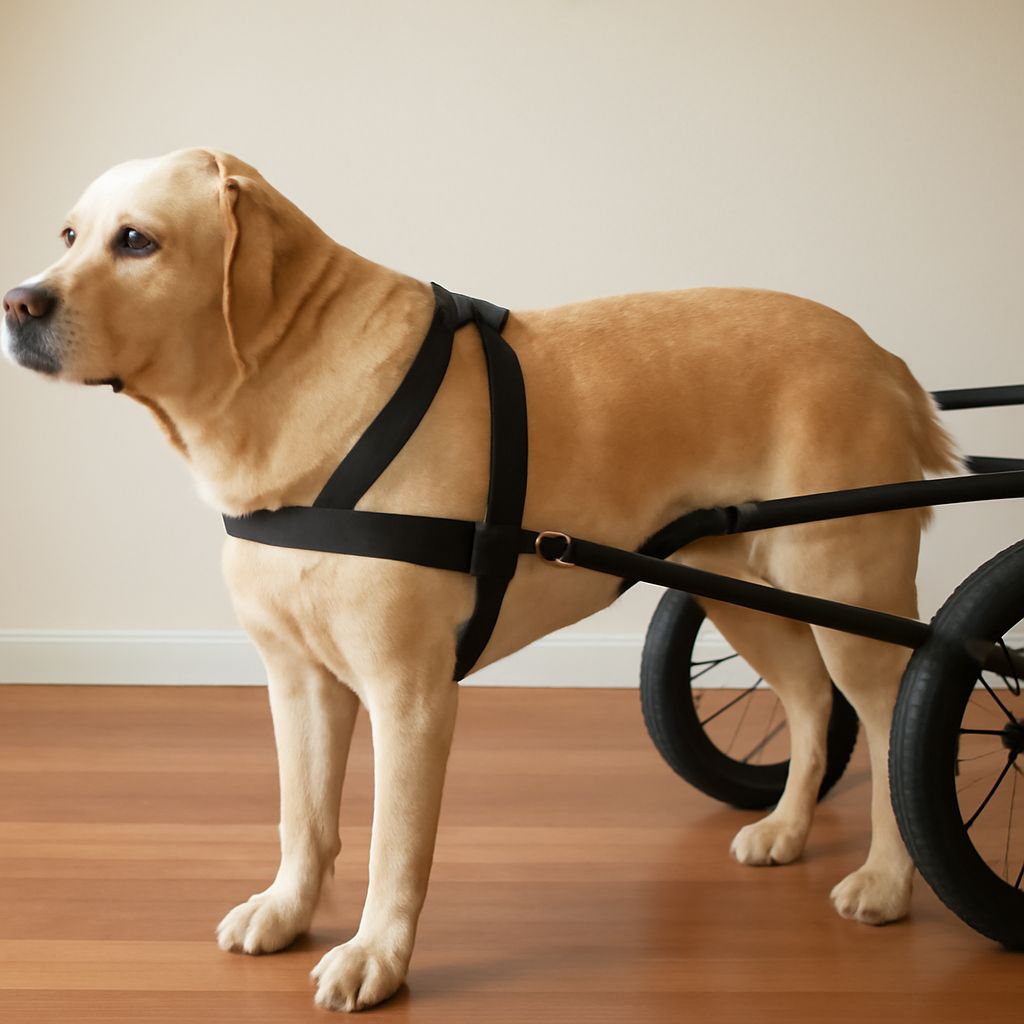
Physical rehabilitation after injury significantly improves outcomes. Hydrotherapy, range-of-motion exercises, and balance work rebuild muscle and coordination faster than rest alone. A certified canine rehabilitation therapist works alongside your veterinarian to design a protocol specific to your dog’s diagnosis and fitness level. For progressive conditions like degenerative myelopathy, mobility aids such as rear-support carts maintain quality of life as strength declines.
Key takeaways: Sudden walking difficulty in dogs always warrants same-day veterinary attention, especially when hind legs are involved or the dog cannot feel its paws. Limit movement and keep the dog calm rather than encouraging walking to assess severity. Early treatment for spinal causes dramatically improves the odds of full recovery.