Many pet owners believe that identifying dog pregnancy is straightforward, often equating it with human pregnancy symptoms. However, the signs a dog is pregnant can be subtle and easily mistaken for other health conditions. It’s crucial to understand these nuances to provide appropriate care for a pregnant dog.
Another common misconception is the timeline of detection. Many wonder how soon you can tell if your dog is pregnant, assuming it can be done within days post-conception. The reality is that early detection requires patience and keen observation of specific behavioral changes and physical signs that develop gradually. This article aims to clarify these aspects and guide you through effective care strategies.
What Are the Signs a Dog is Pregnant?
Recognizing the signs of pregnancy in dogs involves observing both behavioral and physical changes. Pregnant dogs may exhibit decreased appetite and increased sleep patterns initially. As pregnancy progresses, their abdomen begins to enlarge and nipples become more prominent.
Behavioral changes are also significant indicators. Dogs might become more affectionate or, conversely, seek solitude. Some dogs display nesting behaviors, preparing spaces for their upcoming litter. These symptoms can vary widely, so understanding your dog’s usual behavior is key to identifying potential pregnancy.
In addition to these signs, consulting a veterinarian can provide clarity through tests like ultrasound or hormone assays, which confirm pregnancy. Early professional consultation helps distinguish between pregnancy and other health issues, ensuring your dog receives the proper care.
How Soon Can You Tell If a Dog is Pregnant?
Determining how soon you can tell if your dog is pregnant depends on several factors, including the dog’s breed and size. Generally, physical indicators such as abdominal enlargement and nipple changes become noticeable around three to four weeks post-mating.
While some subtle behavioral changes may occur earlier, definitive physical signs take time to develop. Monitoring your dog closely during the initial weeks is essential, but avoid jumping to conclusions based solely on early symptoms. Patience and careful observation are necessary until more concrete signs appear.
If you suspect pregnancy, a veterinarian’s expertise is invaluable. They can perform diagnostic tests that provide early confirmation, allowing you to initiate appropriate care measures promptly. This ensures both the mother and future puppies remain healthy throughout the gestation period.
How to Care for a Pregnant Dog
Caring for a pregnant dog involves adjusting her diet and exercise regimen to support her health and the development of her puppies. Nutrition is paramount; providing balanced meals rich in protein, vitamins, and minerals is essential. Consult with a veterinarian to determine the best diet plan tailored to your dog’s needs.
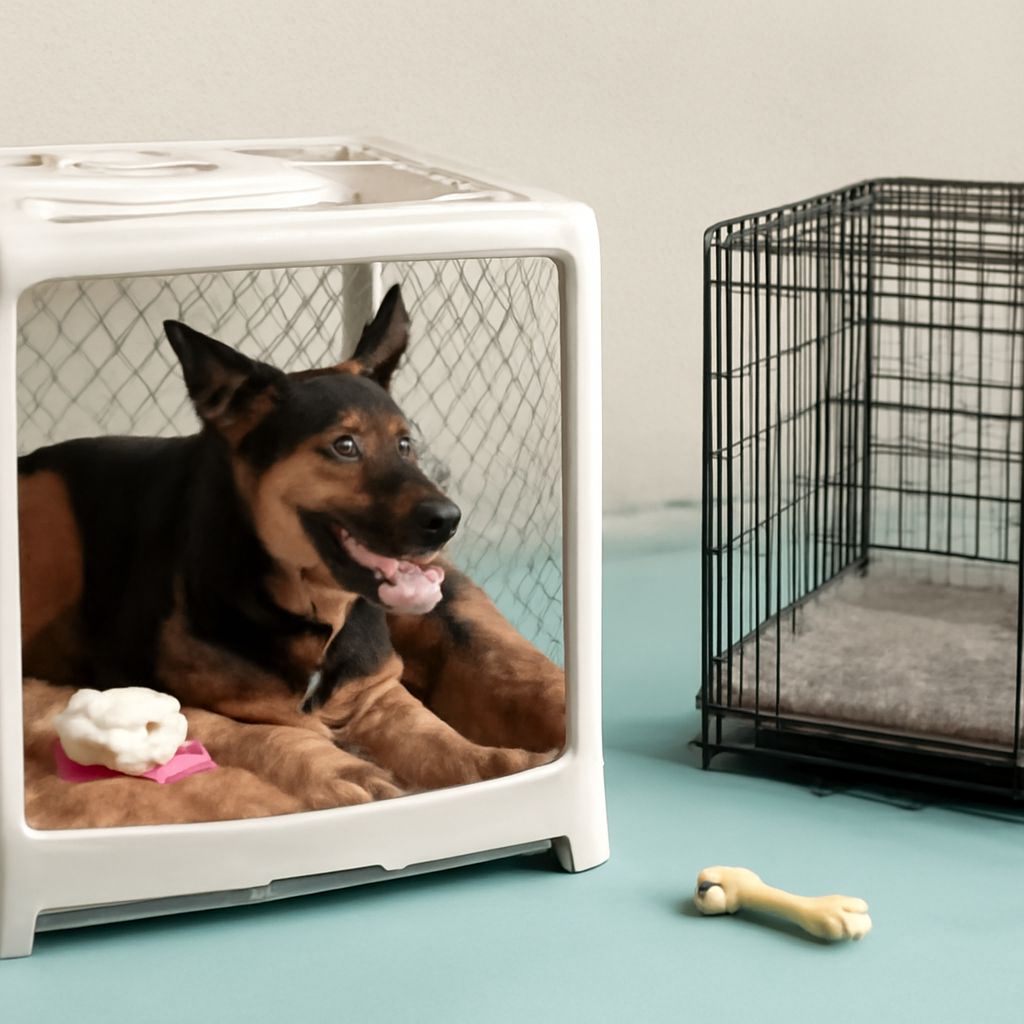
Exercise should be maintained but modified to suit her growing body. Light walks and gentle play are ideal. Avoid strenuous activities that could stress her or the developing puppies. Additionally, provide a comfortable, quiet space where she can rest and prepare for the arrival of her litter.
Regular veterinary check-ups are crucial during pregnancy. They ensure that the pregnancy progresses smoothly and detect any complications early. Having a professional on hand for complex situations, such as difficult births or color care concerns, is critical for the safety of both the mother and her puppies.
By following these guidelines, you can significantly enhance the well-being of your pregnant dog and ensure a healthy birth process.
Safety Recap: Always prioritize consulting a veterinarian for tailored care plans and professional advice during your dog’s pregnancy. Proper nutrition, exercise, and regular check-ups are key to safeguarding the health of both the mother and her puppies.