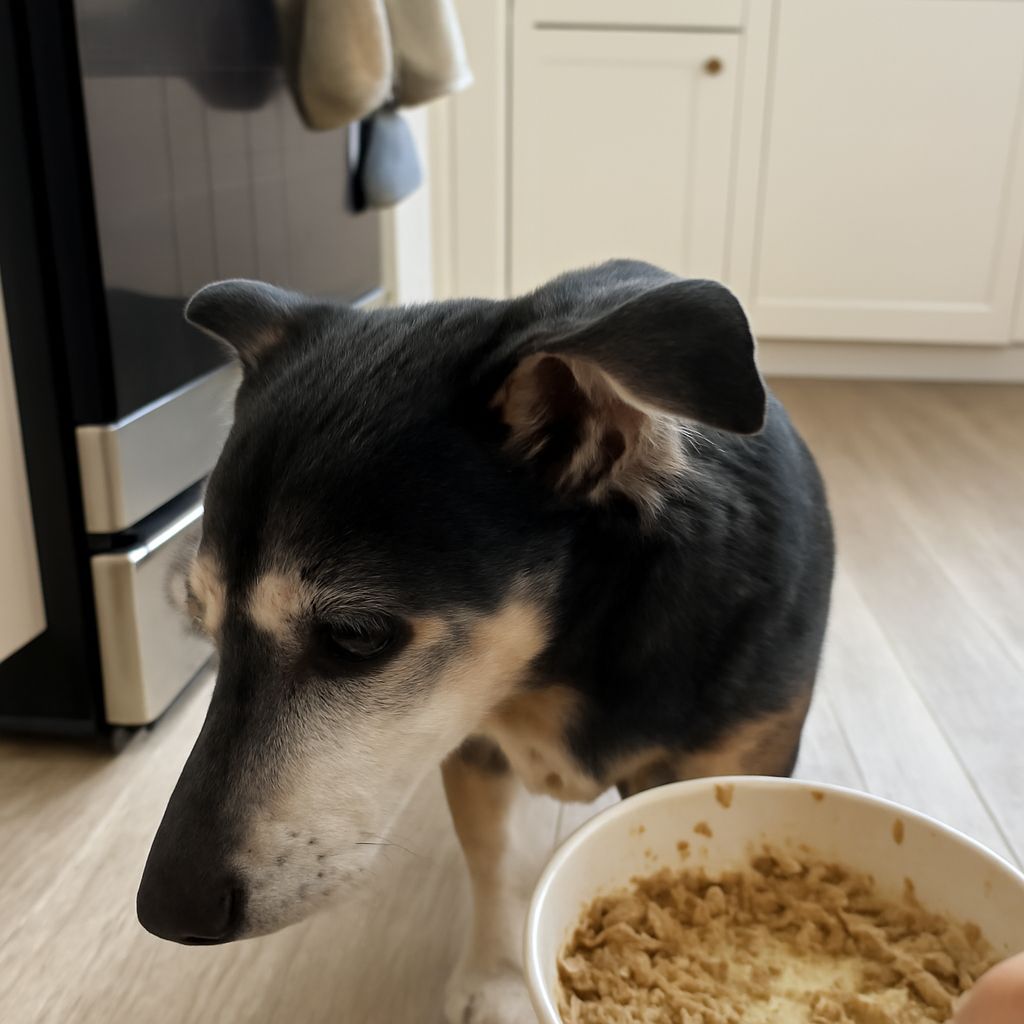
If you find yourself asking, “Why won’t my dog eat?” you’re not alone. Many dog owners face this puzzling situation and wonder about the underlying causes. It’s a common myth that a loss of appetite in dogs is always serious, leading to unnecessary panic. While it’s true that some cases may indicate medical conditions, there are often simple explanations and remedies if your dog is not eating well. This article will guide you through the reasons your dog stopped eating and present practical solutions.
Why Won’t My Dog Eat?
Common Reasons Your Dog Stopped Eating
There are several reasons why dogs might refuse food. Some dogs experience stress or anxiety due to changes in their environment, such as moving to a new home or the arrival of a new pet. Other times, a dog may simply dislike the flavor or texture of its current food. Additionally, behavioral issues can lead to temporary loss of appetite.
Environmental changes and behavioral modifications can often resolve these issues. For instance, gradual introduction of new family members or pets can help your dog adjust more comfortably. Providing a calm feeding area can also encourage regular eating habits.
Medical Conditions That Cause Appetite Loss
While it’s typical for a dog to skip a meal occasionally, persistent loss of appetite could signal a health problem. Conditions such as dental disease, gastrointestinal issues, or even kidney disease may cause discomfort while eating. If your dog stopped eating and shows other symptoms like vomiting or lethargy, it is crucial to consult a veterinarian to rule out any underlying health issues.
Veterinarians can conduct tests to identify medical causes and recommend treatments or dietary adjustments to encourage eating. They might suggest specific food types that are easier for ailing dogs to eat, ensuring they receive necessary nutrition.
What Should I Do If My Dog Stopped Eating?
Steps to Encourage Eating
If your dog is not eating, try offering a variety of high-quality foods to see if different flavors or textures are more appealing. Warming up food can enhance its aroma, making it more enticing. Additionally, maintaining a consistent feeding schedule can help establish routine and predictability.
Sometimes, hand-feeding can encourage interest, especially if you praise your dog for eating. Ensuring that your dog is hydrated is also vital, as dehydration can suppress appetite. Mixing wet food with dry kibble can provide additional moisture and flavor, potentially increasing palatability.
When to Consult a Veterinarian
If your efforts to encourage eating fail, and your dog won’t eat for more than 48 hours, it is crucial to seek professional help. A licensed veterinarian can assess your dog’s health comprehensively and identify any potential medical problems requiring treatment. Severe cases, such as those involving complex digestive issues or significant weight loss, need immediate attention.
How Can I Prevent My Dog from Losing Appetite?
Maintaining a Healthy Diet
Prevention often begins with a balanced, nutritious diet tailored to your dog’s age, breed, and activity level. Regularly varying the menu can prevent boredom and ensure your dog receives a wide range of nutrients. Always provide fresh, clean water alongside meals to support digestion and overall health.
Using high-quality ingredients and avoiding excessive treats that fill your dog up without providing adequate nutrition can help maintain a healthy appetite. Reading labels and understanding food composition can empower you to make informed choices about your dog’s diet.
Regular Health Check-ups
Routine veterinary visits are essential for early detection of health issues that could lead to appetite loss. Regular check-ups allow veterinarians to monitor your dog’s weight, dental health, and overall well-being. Vaccinations and parasite control also play roles in keeping your dog healthy and reducing risks of appetite-affecting diseases.
Staying proactive with your dog’s health can prevent many problems before they start, ensuring they remain happy and eager to eat.
Key takeaways: Understanding why your dog won’t eat is crucial to providing the right solutions. Evaluate both behavioral and medical factors, and consult a veterinarian when necessary. Prevention through proper diet and regular check-ups can maintain your dog’s appetite and health.