Many dog owners may panic when they notice their dog’s snout swollen or a sudden facial swelling. The first thought might be that these are signs of a severe health issue. However, while a swollen face dog can indeed indicate serious conditions, there are also many benign causes. Knowing the difference between an emergency and a manageable situation is key.
Swelling around a dog’s muzzle or face could arise from various causes, ranging from allergic reactions to infections or injuries. The most important thing is to remain calm and observe the symptoms. This guide will help you understand the potential causes and treatments for dog facial swelling, ensuring your beloved pet stays safe and healthy.
Understanding Dog Swollen Face
A swollen face in dogs is often a visible sign that something is amiss. Facial swelling might occur suddenly or develop gradually, and it can be localized to one side or be symmetrical. Sometimes, the swelling will be accompanied by other symptoms such as itching, redness, or discharge.
Generally, swelling on a dog’s face is a result of inflammation. Inflammatory responses can be triggered by numerous factors, including infections, trauma, or allergic reactions. Each cause has its own specific signs and potential treatments, which need to be identified for effective care.
Common Causes of Dog Facial Swelling
Allergic reactions are a frequent cause of dog facial swelling. Dogs, like humans, can have allergies to food, insect bites, or environmental factors. These reactions often result in an immediate swelling, especially around the muzzle or eyes.
Infections, whether bacterial or fungal, can also lead to a swollen muzzle in dogs. Dental issues, abscesses, or skin infections might cause significant facial swelling, often accompanied by pain or heat in the affected area.
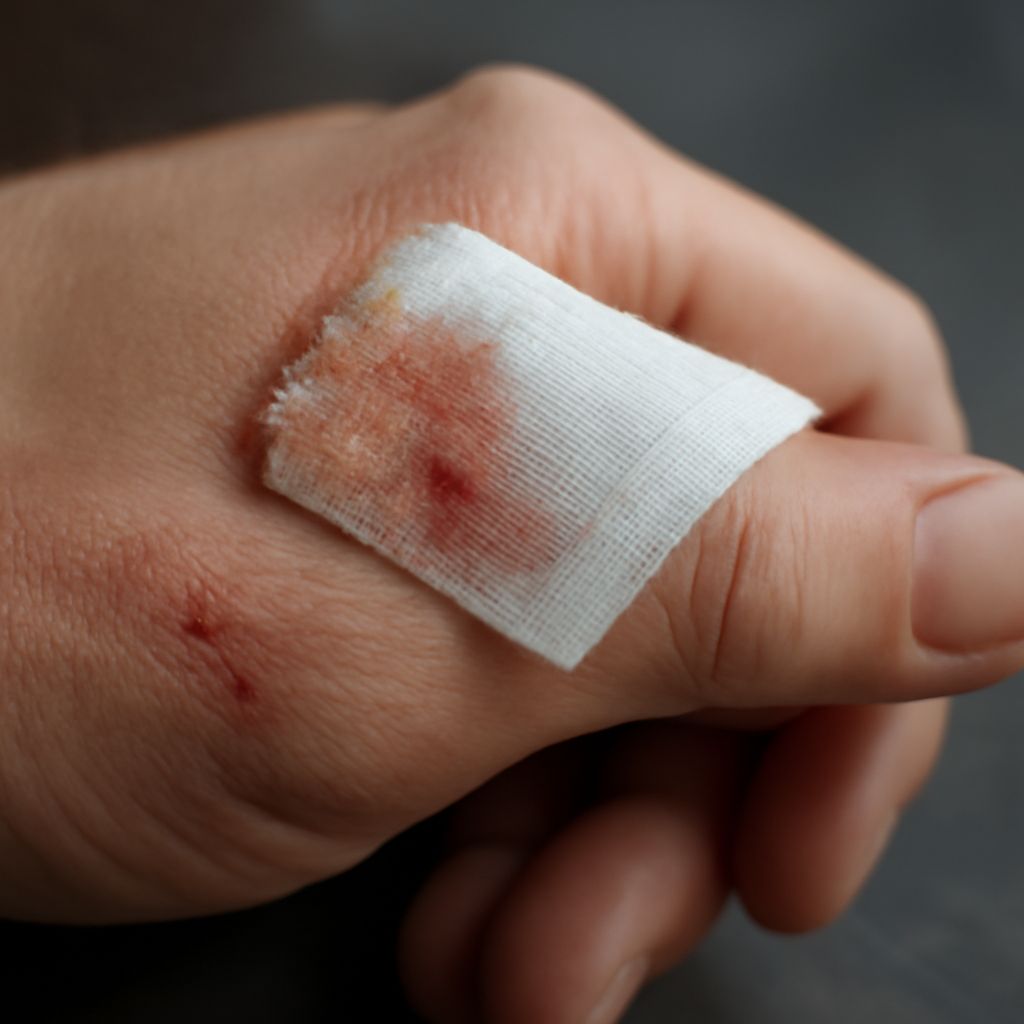
Trauma or injuries to the face can likewise result in swelling. Dogs are curious creatures and can sometimes injure themselves during play or other activities. Any kind of physical trauma can lead to a swollen face, often with bruising or cuts.
Treatment Options for Swollen Face in Dogs
Treating a swollen face in a dog begins with identifying the underlying cause. For allergic reactions, antihistamines or corticosteroids may be prescribed to reduce inflammation. In cases of infections, antibiotics or antifungal medications might be necessary.
If a dog’s snout is swollen due to an injury, treatment might involve cleaning and dressing the wound, and in some cases, pain relief medication. Rest and observation are essential in ensuring proper healing and recovery.
In all cases, it is crucial to consult a veterinarian, especially if the swelling is severe, persists, or is accompanied by other worrying symptoms. Only a professional can provide a precise diagnosis and recommend appropriate treatments. In complex cases, such as severe infections or allergic reactions, immediate veterinary attention is vital to prevent complications.
Key takeaways: Being aware of why a dog might experience facial swelling helps in managing the situation effectively. Always observe your dog’s symptoms and consult a veterinarian if necessary. Timely and appropriate treatment ensures your pet remains healthy and happy.