Many pet owners find themselves puzzled by their dog’s sudden bouts of panting. It’s a common myth that a dog panting for no reason indicates clear distress or illness. While it’s true that excessive panting can signify an underlying issue, not all panting should cause immediate concern. Understanding what it means when a dog pants is essential for differentiating between normal behavior and potential health problems. In this guide, we delve into why your dog might be panting excessively and when to seek veterinary advice.
Understanding Dog Panting: What Does It Mean When a Dog Pants?
Panting is a normal canine behavior primarily used for regulating body temperature. Dogs do not sweat like humans; instead, they use panting to evaporate moisture from their tongues and respiratory tract, which helps cool them down. When a dog pants, it may also be a response to excitement, stress, or even a way to communicate with their human counterparts.
Even though occasional panting is typical, understanding the variations in your dog’s panting patterns is crucial. For instance, some breeds are naturally more prone to pant due to their physical characteristics, such as brachycephalic breeds like Bulldogs and Pugs. Knowing what constitutes normal panting for your specific pet can help you spot when something might be amiss.
Common Causes of Dog Panting for No Reason
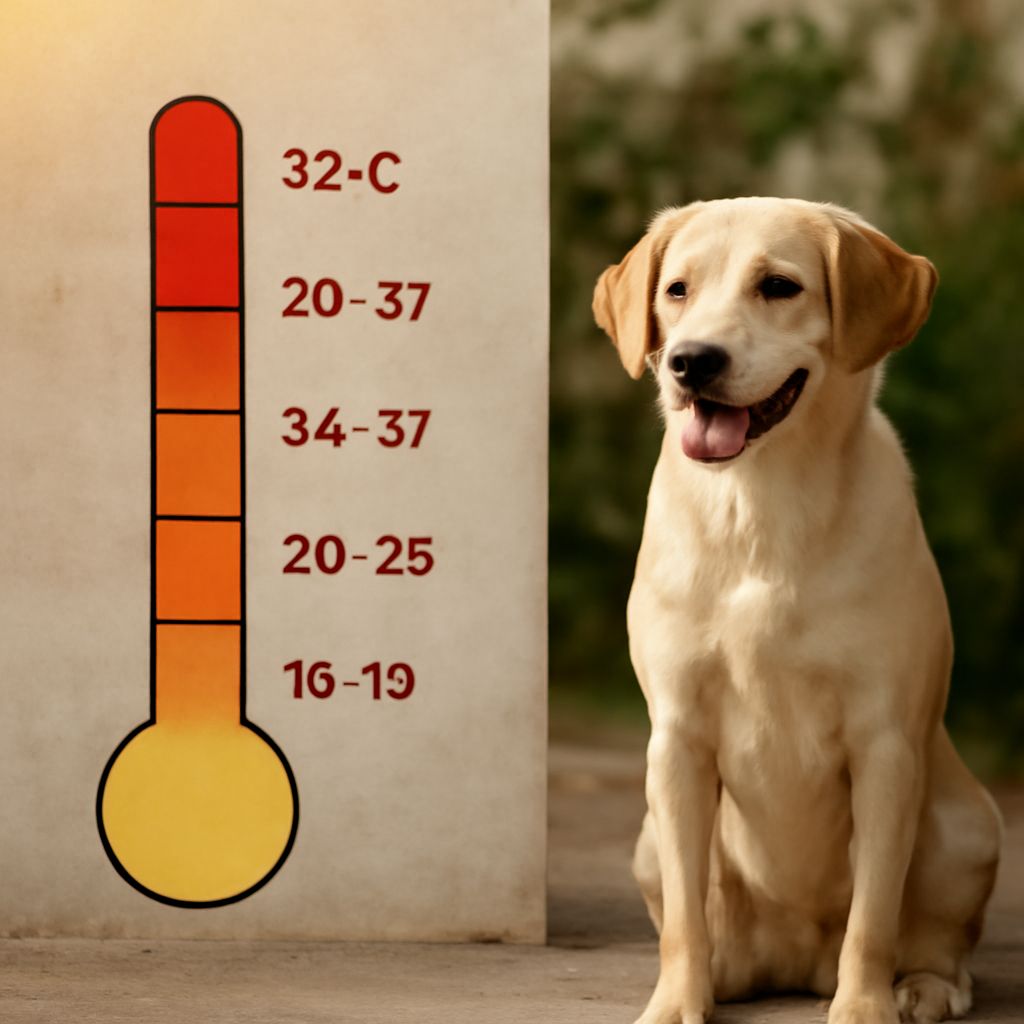
Often, what appears to be dog panting for no reason can be linked to various factors. Heat and humidity are major contributors, as dogs can become overheated quickly in warm weather. Thunderstorms or fireworks can also trigger anxiety-induced panting, where stress causes the dog to pant more than usual. Alongside these environmental reasons, pain or discomfort often leads to increased panting.
Some dogs may pant excessively due to medical conditions such as heart disease, respiratory disorders, or Cushing’s disease, which can all lead to changes in normal breathing patterns. It is always advisable to monitor other symptoms, such as changes in appetite, behavior, or mobility, which may accompany this type of panting.
When to Worry About Dog Excessive Panting
While occasional panting is not usually cause for alarm, excessive panting should be evaluated more closely. If your dog’s panting is accompanied by signs of distress, like drooling, lethargy, or weakness, it may indicate a more serious issue. Panting that seems to appear suddenly and is accompanied by other worrying symptoms should prompt a visit to the veterinarian.
- Heatstroke: Dogs left in hot environments can quickly develop heatstroke, a potentially life-threatening condition.
- Respiratory distress: Difficulty breathing or persistent coughs alongside panting could indicate respiratory issues.
- Heart problems: If panting occurs with symptoms like coughing, decreased stamina, or fainting, heart disease might be the culprit.
Recognizing when to seek professional help is crucial. Consulting a licensed veterinarian is recommended if you notice any drastic changes in your dog’s panting patterns, especially if these changes are sudden or severe.
Safety recap: Paying attention to your dog’s panting can prevent potential health issues from escalating. Always provide a cool, comfortable environment, especially during hot days, and monitor for signs of distress. When in doubt, consulting with a professional ensures your pet’s well-being.