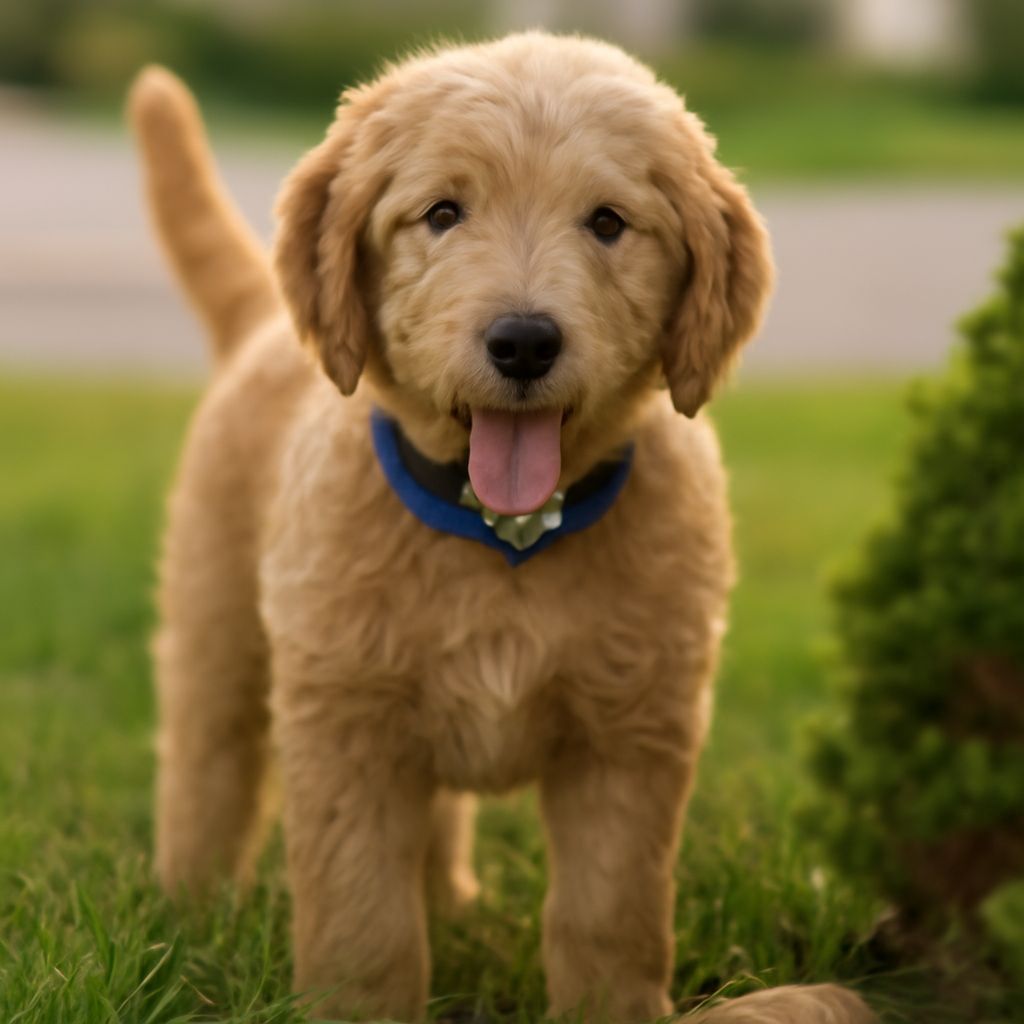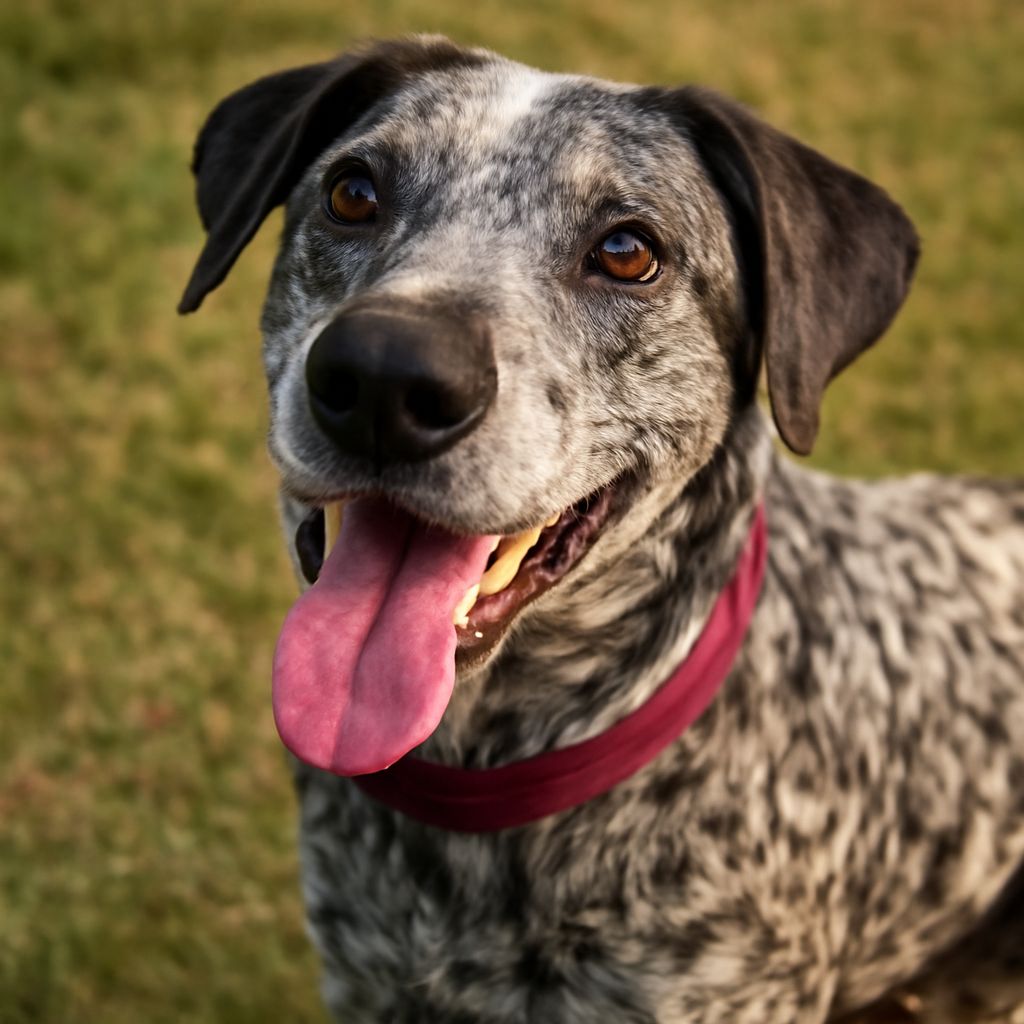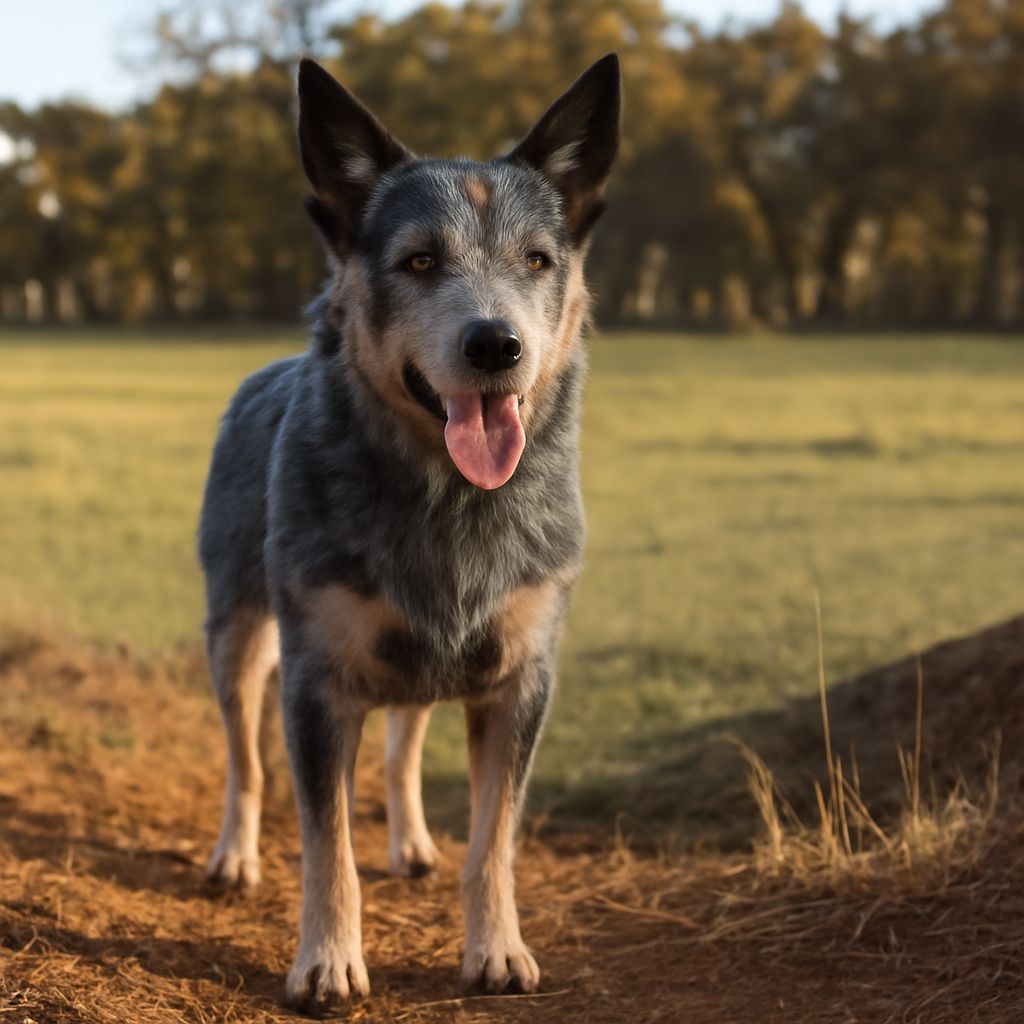
You spot a shelter listing for a Queensland blue heeler, but the description calls the dog an Australian cattle dog. The names may refer to the same breed: The former is a common nickname, while the latter is the formal breed name. Before picturing a tireless ranch hand in your living room, ask what this particular dog needs on an ordinary Tuesday.
An adoption label does not establish pedigree or predict behavior. A conversation with the caregiver, a walk together, and a look at health records will tell you more about the dog you are considering.
Australian Cattle Dogs: Names, Size, and Background
The Australian Cattle Dog Club of America explains that Queensland, Blue, and Red Heelers are names used for the purebred Australian Cattle Dog. Blue and red describe coat coloring; they are not separate breeds. Dogs in rescue listings may also be mixes, so ask how a dog’s background was identified.
In Australia, cattle dog development was connected to the demands of moving livestock over long distances. That working background helps explain why many individuals notice movement, enjoy a task, and have energy to spare. It does not tell you exactly how a dog will behave with your children, cat, or visitors.
Australian cattle dogs are compact, muscular working dogs. The AKC breed guide describes a medium-sized dog; its published typical adult weight is 35–50 pounds, with males usually 18–20 inches tall at the shoulder and females 17–19 inches. A mixed-breed puppy’s adult size is harder to predict. Ask the rescue or breeder what it knows about the parents and growth so far.
What Activity Looks Like in a Household
An austrailian cattle dog can be an enthusiastic partner for walks, training, and structured play. Many need more than a quick bathroom trip and a bowl of dinner. A useful day might include a morning walk with time to sniff, a short training session, and another outing or game later. Adjust the length and intensity to the individual’s age, fitness, and health.
Give the dog something to think about as well as room to move. Scatter part of a meal in a safe area, hide a toy, or practice finding an object by name. Rotate activities and reward calm behavior between them. You do not need livestock in the backyard, though your dog may consider that an interesting proposal.
For puppies, favor short, gentle sessions with plenty of sleep. Ask your veterinarian when longer runs, repetitive jumping, or demanding sports are appropriate. For adults, build fitness gradually and stop if you notice limping, unusual fatigue, or reluctance to continue. Provide water and shade, and plan around hot pavement and high temperatures.
A Queensland dog who spends much of the day alone may need a reliable walker, a family member, or another suitable midday arrangement. Ask whether the dog has managed alone time before. Practice short absences gradually, and seek veterinary or qualified behavior support if the dog panics when left.
Herding Instincts and Family Life
The Queensland Heeler may watch and chase fast movement, including running children, bikes, or other animals. Some dogs nip at heels. Supervise interactions, interrupt chasing early, and redirect to an appropriate toy or practiced cue. Give children and dog separate places to rest. If nipping persists or anyone is frightened, consult a qualified reward-based trainer.
Train everyday skills in small steps: a name response, recall, loose-leash walking, and settling on a mat. Reward what you want the dog to repeat. Practice first in a quiet space, then add distractions gradually; use a leash or secure fence while recall develops. Punishment and rough handling can damage trust and do not teach the dog what to do instead.
Some Heelers from Queensland settle happily among familiar people but are cautious with strangers; others are outgoing. Ask the caregiver how your candidate responds to visitors, other dogs, and handling. Arrange introductions with space to move away, and do not force contact. A well-managed meeting is more informative than a breed label on its own.
Coat Care, Health, and Home Setup
The short double coat sheds. Brush weekly to remove loose hair and check the skin, adding sessions during heavier shedding periods. Look for burrs or ticks after outdoor adventures, and bathe when dirty with a dog-formulated shampoo. Trim nails, check ears, and build a toothbrushing routine with your veterinarian’s guidance.
Ask for available medical records and arrange an initial veterinary visit. For a puppy from a breeder, request the parents’ registered names and results of breed-relevant screening, including hip, eye, and hearing evaluations; discuss the results with your veterinarian. A rescue may not know the parents’ history, but it should be able to tell you about care and observations since intake.
Set up a comfortable resting area away from household traffic, secure gates, and put chewable hazards out of reach. Include quiet time in the schedule. A dog that has learned to relax after a walk is easier to live with than one expected to invent its own entertainment all afternoon. Your chair legs will appreciate the distinction.
Questions to Ask About the Individual Dog
Before you commit, ask a breeder or rescue for specifics:
- What does the dog’s current day look like, and what happens when activity is reduced?
- Has the dog chased or nipped people, pets, or moving objects? What management has helped?
- How does the dog behave after visitors arrive or when left alone?
- What medical care, training, and experiences with children or other animals are documented?
- What support and return arrangements are available if the placement does not work?
If possible, meet the dog more than once. Take a walk, observe how it recovers from excitement, and ask what you did not see. Blue or red Queensland heelers may be great companions for an active family, but the right match depends on the time and skills that family can reliably offer.
Before deciding, map the dog’s known exercise, training, and rest needs onto your busiest weekday, naming the person responsible for each.