Many dog owners believe that teaching a dog to sit is as simple as saying the word “sit” and waiting for magic to happen. However, this misconception often leads to frustration and inconsistent results. Understanding the nuances of dog behavior and adopting effective training techniques can dramatically improve the process. This guide will explore the essential steps to teach a dog to sit, highlight common pitfalls, and delve into advanced methods for achieving obedience success.
With the right training, teaching a dog to sit can be both rewarding and straightforward. It requires patience, consistency, and the proper use of commands and rewards. By following the structured approach outlined in this guide, dog owners can learn how to train a dog to sit quickly and effectively.
Why Teaching Your Dog to Sit is Important
The Benefits of a Well-Trained Dog
A well-trained dog is not only a joy to be around but also safer and more manageable. Teaching your dog to sit is one of the fundamental commands that can prevent unwanted behaviors and establish a sense of order. A dog that knows when to sit will be less likely to jump on guests or run into dangerous situations.
Understanding Dog Behavior
Understanding the behavioral patterns of dogs is crucial for effective training. Dogs respond well to clear and consistent signals from their owners. When you teach a dog to sit, you are not only instilling obedience but also strengthening your bond with your pet. Using rewards and praise will reinforce the desired behavior, ensuring your dog associates sitting with positive outcomes.
Step-by-Step Guide to Train Your Dog to Sit
Preparing for Training Sessions
Before embarking on training, ensure you have a suitable environment free from distractions. Gather treats and a comfortable leash, as these tools will be vital in rewarding your dog for correct actions. Timing and patience are key; short, frequent sessions are more effective than long, sporadic ones.
Using Commands and Rewards
Begin by standing in front of your dog with a treat in hand. Slowly move the treat from your dog’s nose towards its tail, encouraging it to sit. As soon as your dog sits, reward it with the treat and verbal praise. Repeat this process while consistently using the command “sit” to reinforce the action.
Troubleshooting Common Challenges
If your dog struggles to understand the command, consider varying your approach. Adjust your tone, use a different reward, or change the training environment. Patience is crucial, as some dogs may take longer to grasp the concept. Consistent practice will eventually yield positive results.
Common Mistakes to Avoid When Teaching Your Dog to Sit
Inconsistency in Commands
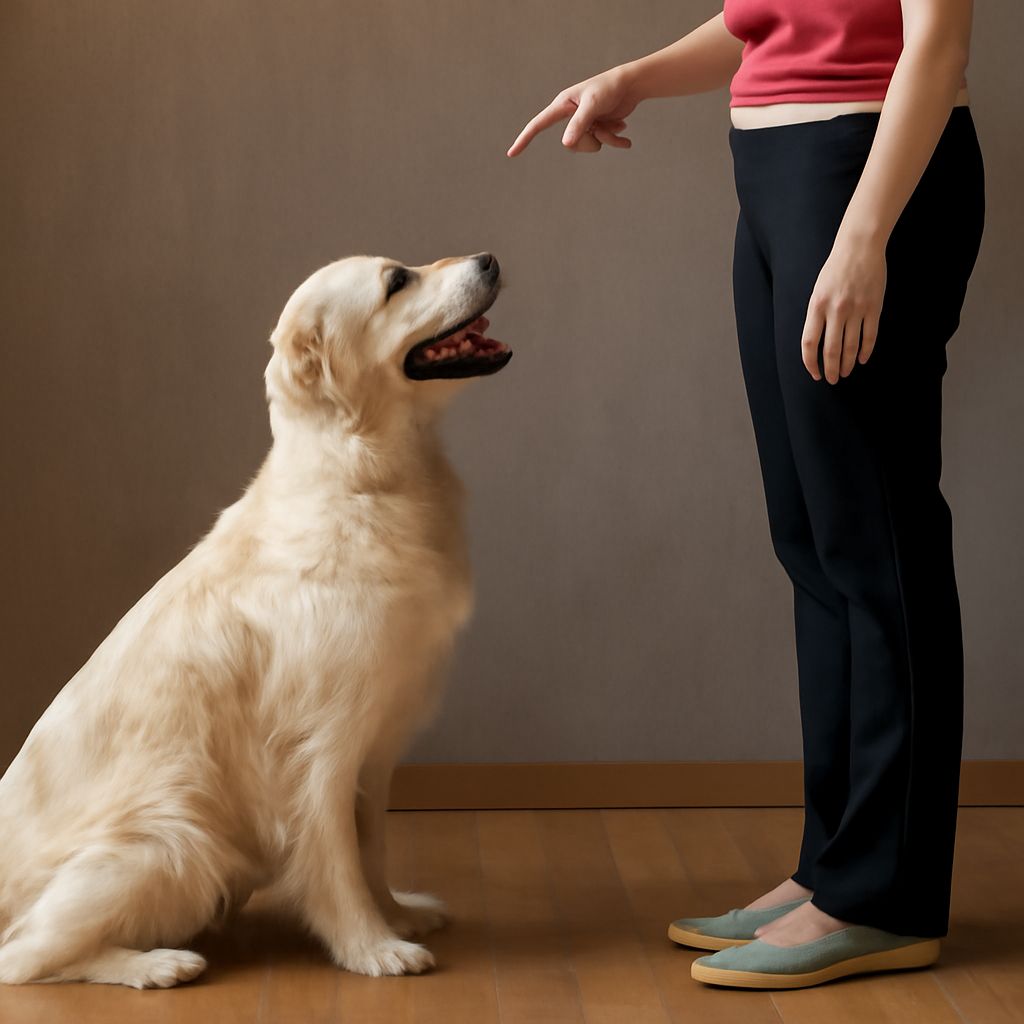
One of the most common errors is using varied phrases or tones for the same command. Consistency is crucial; use the same word and tone each time to avoid confusing your dog. Ensure all family members follow the same protocol to reinforce training.
Ignoring Positive Reinforcement
Failing to reward your dog for sitting can diminish its motivation to obey. Always acknowledge the desired behavior with a treat, praise, or affection. This reinforcement encourages your dog to consistently perform the action and increases its eagerness to learn.
Advanced Techniques for Teaching Your Dog to Sit
Using Hand Signals
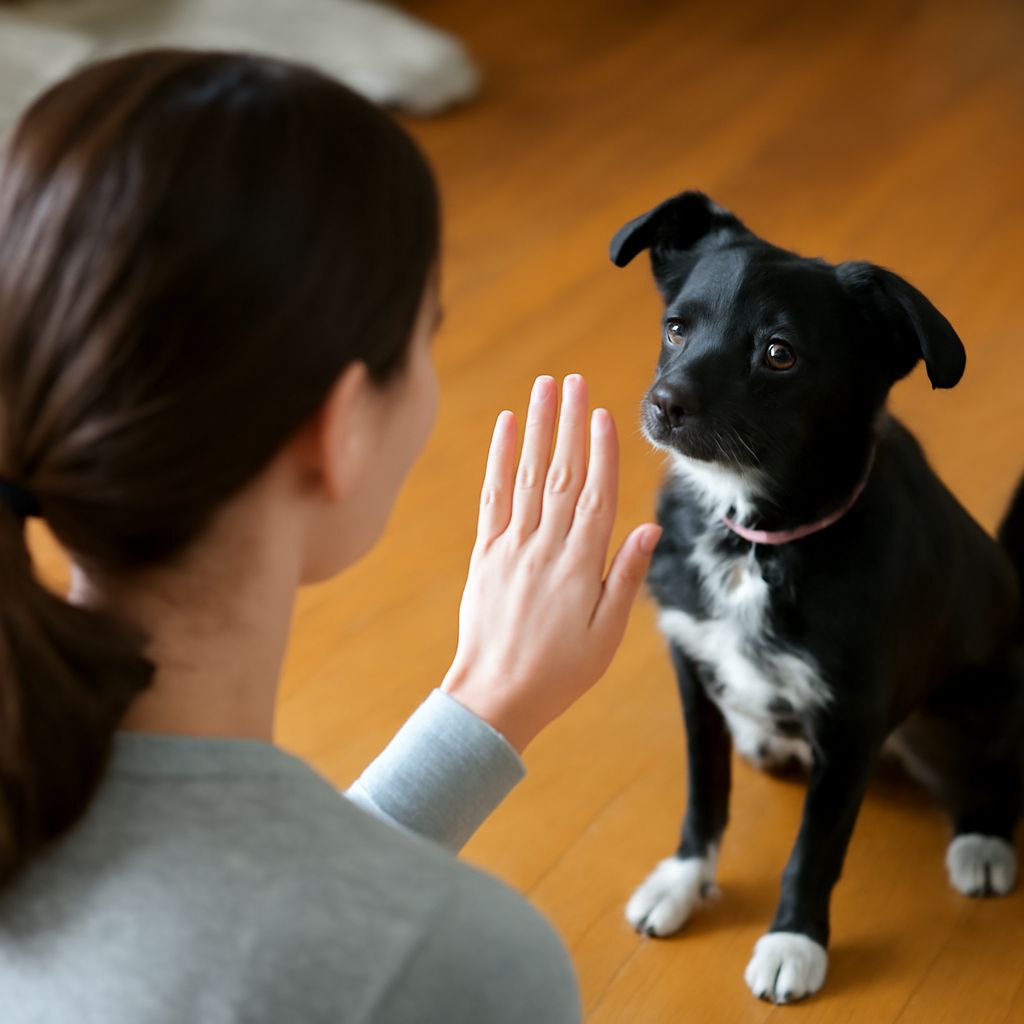
Incorporating hand signals alongside verbal commands can enhance your dog’s ability to understand and respond. Use a distinct gesture when you give the “sit” command, helping your dog associate physical cues with verbal instructions.
Training in Different Environments
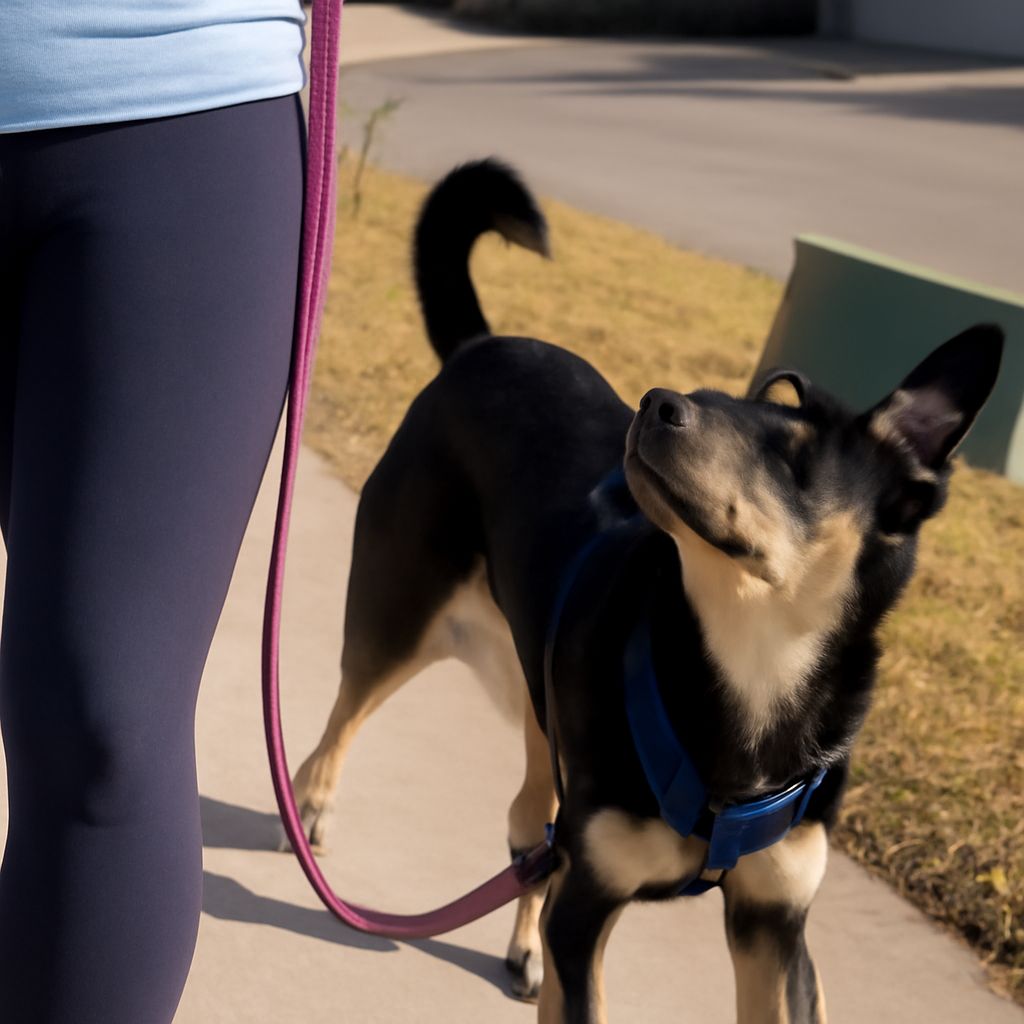
To ensure your dog reliably responds to the sit command, practice in various settings. Train both indoors and outdoors, gradually introducing distractions. This variation will help your dog remain compliant regardless of the environment or situation.