Many pet owners dread the thought of an ovariohysterectomy, fearing it might drastically alter their dog’s personality or health. However, this common procedure is a routine part of responsible dog care, offering numerous benefits such as preventing unwanted pregnancies and reducing health risks like uterine infections. By understanding the process and the post-surgery care involved, owners can ensure their beloved pets remain happy and healthy. Dispelling myths about recovery aids, such as dog headbands, can further ease concerns, providing tools that promote healing.
In addition, learning about specific dog breeds like the Tazi, known for their distinctive traits, can enhance the recovery process. For those seeking companionship post-surgery, exploring cute little dog breeds can be rewarding. They provide comfort and joy during a pet’s healing phase. Ultimately, choosing a very cute dog as a companion can positively impact both you and your recovering pet.
What is an Ovariohysterectomy in Dogs?
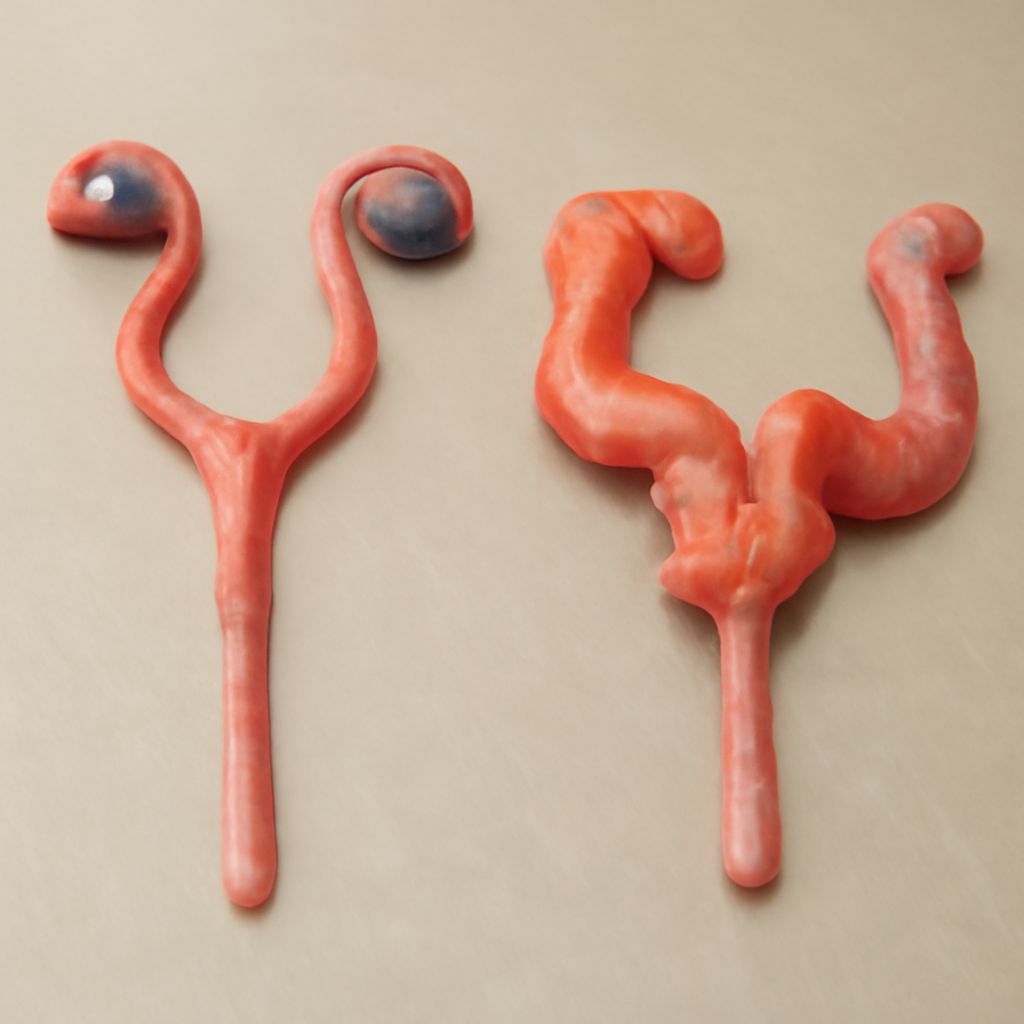
An ovariohysterectomy is the surgical removal of a dog’s ovaries and uterus. This procedure is commonly performed on female dogs to prevent reproduction and eliminate the risk of certain health issues, such as pyometra or ovarian cancer. Veterinarians often recommend it for health maintenance and population control.
During the operation, the dog is placed under anesthesia, and the surgical site is carefully prepared. The vet meticulously removes the organs in question, ensuring the dog’s safety and comfort throughout the process. Post-operation, attention shifts to recovery, where proper care is crucial.
Post-Surgery Care for Dogs: Tips and Tools
After an ovariohysterectomy, dogs require attentive care to ensure a smooth recovery. Monitoring your pet for signs of discomfort or infection is essential. Providing a quiet, comfortable space for rest is critical, as their body heals from surgery.
Adequate hydration and nutrition play significant roles in recuperation. Offer your dog plenty of fresh water and a balanced diet to aid recovery. Additionally, following your veterinarian’s advice on medication and activity levels will help prevent complications.
How Can Dog Headbands Help After Surgery?
Dog headbands can be an effective tool in post-surgical care. These accessories prevent dogs from scratching or licking their incisions, promoting healing and reducing the risk of infection. They offer a gentle reminder to your pet to avoid irritating the surgical site.
When selecting a headband, ensure it fits well without discomfort. Consult your veterinarian if you have concerns about your dog’s behavior or the suitability of recovery aids like these. Proper use of such tools can greatly enhance the healing process, allowing your dog to return to normal activities sooner.
Exploring the Tazi Dog: Traits and Care
The Tazi dog, a breed with distinct characteristics, can be an excellent companion during recovery. Known for their intelligence and gentle nature, Tazi dogs are often easy to train and quick to adapt to new routines, making them ideal pets for homes where post-surgical care is a priority.
With their calm demeanor, these dogs need regular mental stimulation and exercise. Providing interactive toys and safe outdoor activities can help maintain their well-being, contributing positively to a harmonious recovery environment.
Cute Little Dog Breeds: Ideal Companions
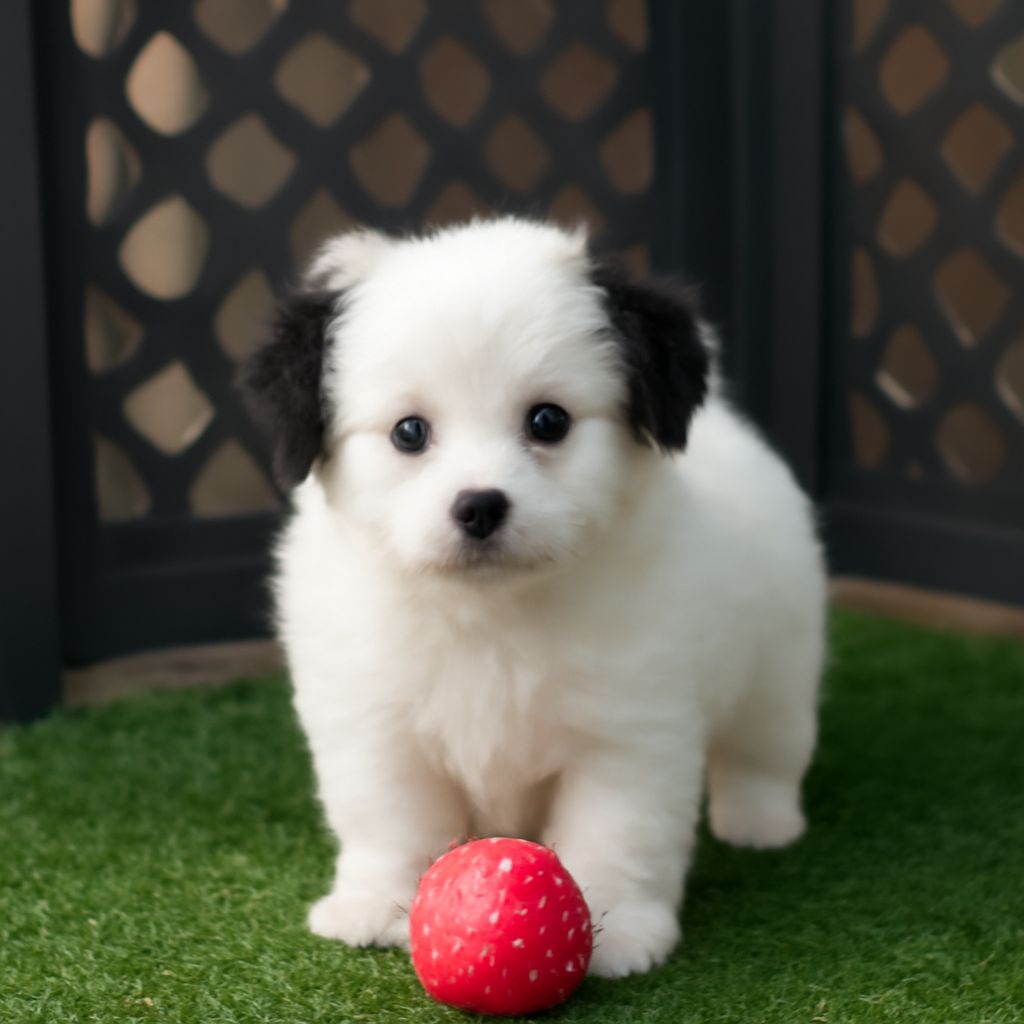
Cute little dog breeds offer companionship and emotional support during challenging times. Breeds like the Maltese, Pomeranian, and Chihuahua are not only adorable but also possess traits that make them affectionate partners.
These small dogs are generally easy to care for, requiring less space and exercise compared to larger breeds. Their playful and loving nature can help uplift the spirits of both the recovering dog and their human companions.
Choosing a Very Cute Dog After Surgery
Post-surgery, selecting a very cute dog as a companion can ease the recovery journey. Consider factors such as temperament, size, and care requirements to ensure a harmonious match for your household.
Opt for breeds known for their gentle disposition and adaptability. Whether introducing a new pet for companionship or caring for a recovering dog, the right choice can enhance emotional well-being, creating a supportive environment for healing.
Key takeaways: Understanding ovariohysterectomy and post-surgery care ensures your pet’s health and happiness. Dog headbands are practical recovery tools, while breeds like the Tazi and other cute dogs provide comforting companionship. Consulting professionals for advice on complex needs is vital for successful recovery.