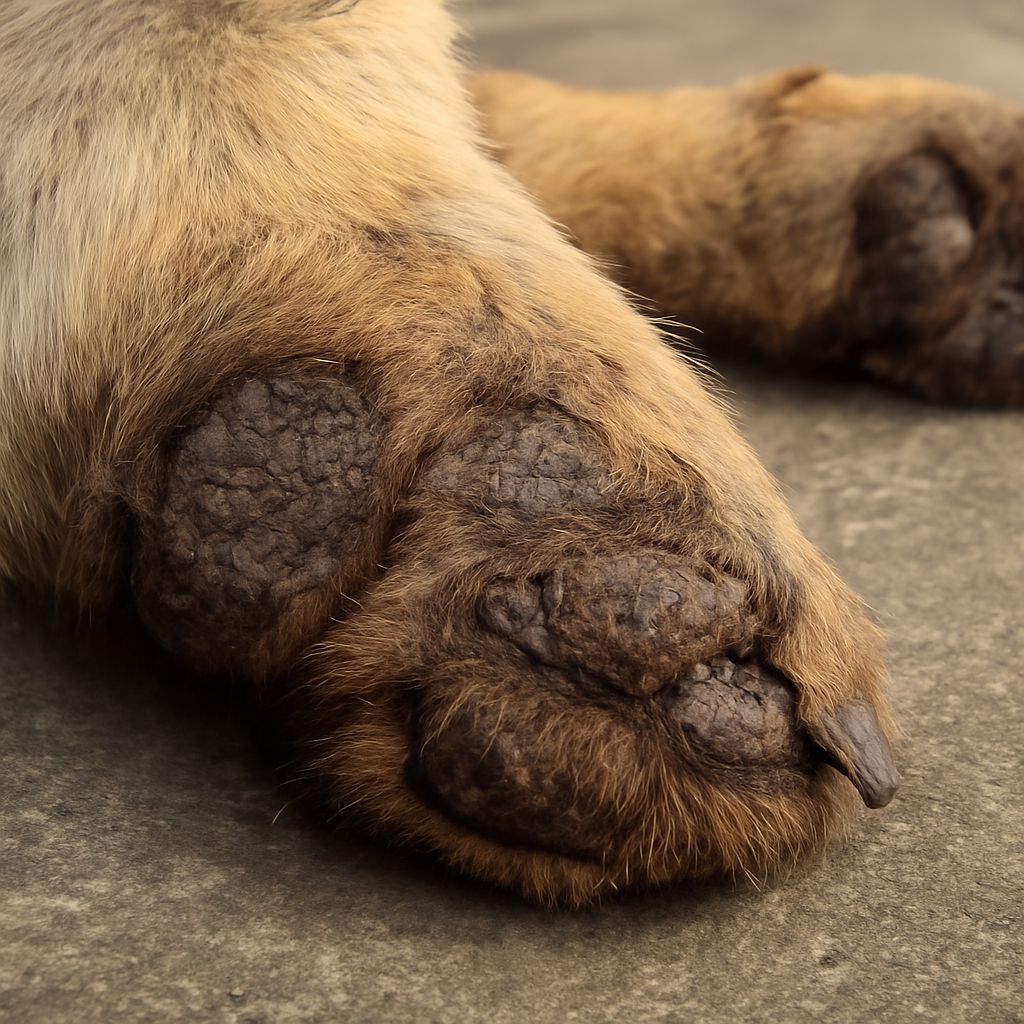
It is a common misconception that dogs are naturally equipped to handle all sorts of injuries due to their robust nature. Many pet owners assume that a dog’s foot swollen is just a minor inconvenience that will resolve itself. Yet, a swollen dog paw can be an indicator of underlying issues that require timely attention and proper care. Ignoring such signs can lead to more serious health problems for your canine companion.
Addressing the root cause of a swollen paw early on is crucial not just for the immediate comfort of your pet, but also for their long-term health. Understanding the possible causes and knowing the appropriate treatments ensures your furry friend gets back to their happy, playful self without undue delay.
What Causes a Swollen Dog Paw?
A range of factors can cause a dog’s paw to swell. Injuries from sharp objects, insect bites, or foreign objects lodged between the pads are common culprits. Additionally, infections due to bacteria or fungi can lead to noticeable swelling and discomfort. Allergic reactions to substances like pollen, grass, or chemicals can also manifest as a swollen foot in dogs. Sometimes, more serious conditions like tumors or systemic illnesses may be the underlying cause, requiring professional assessment.
How Can You Treat a Swollen Dog Paw at Home?
For minor cases, initial home treatment can provide relief and facilitate healing. Begin by gently cleaning the affected area with mild soap and lukewarm water to remove any irritants or debris. Applying a cold compress can help reduce swelling and soothe pain. Over-the-counter ointments, specifically made for dogs, might be useful for treating bacterial or fungal infections.
Keep your dog from licking or biting the paw, as this could exacerbate the problem. Consider using an Elizabethan collar to prevent further irritation. If the swelling does not improve after a few days, or if your dog shows signs of significant pain, a visit to the veterinarian is warranted.
When Should You See a Vet for a Swollen Paw?
Immediate veterinary attention is necessary if you notice persistent swelling without improvement, severe pain, or if your dog is unable to walk. A vet can conduct a thorough examination and may recommend diagnostic tests such as X-rays or blood tests to uncover hidden issues. Early intervention by a professional is essential, especially in cases involving underlying health problems or if there is suspicion of a broken bone or a serious infection.
Preventing Future Swollen Paws in Dogs
Prevention is always better than cure. Regularly inspecting your dog’s paws for signs of injury or foreign objects can mitigate the risk of swelling. Keeping their living environment clean and free of sharp objects or chemicals reduces the chances of accidental injuries. During walks, steer clear of rough terrains and ensure that your dog wears appropriate footwear if necessary.
Additionally, maintaining your dog’s overall health through proper nutrition and regular veterinary check-ups can fortify their immune system, reducing the likelihood of infections and allergic reactions. By vigilantly monitoring your pet’s health and taking preventive measures, you can help ensure they live a comfortable and pain-free life.