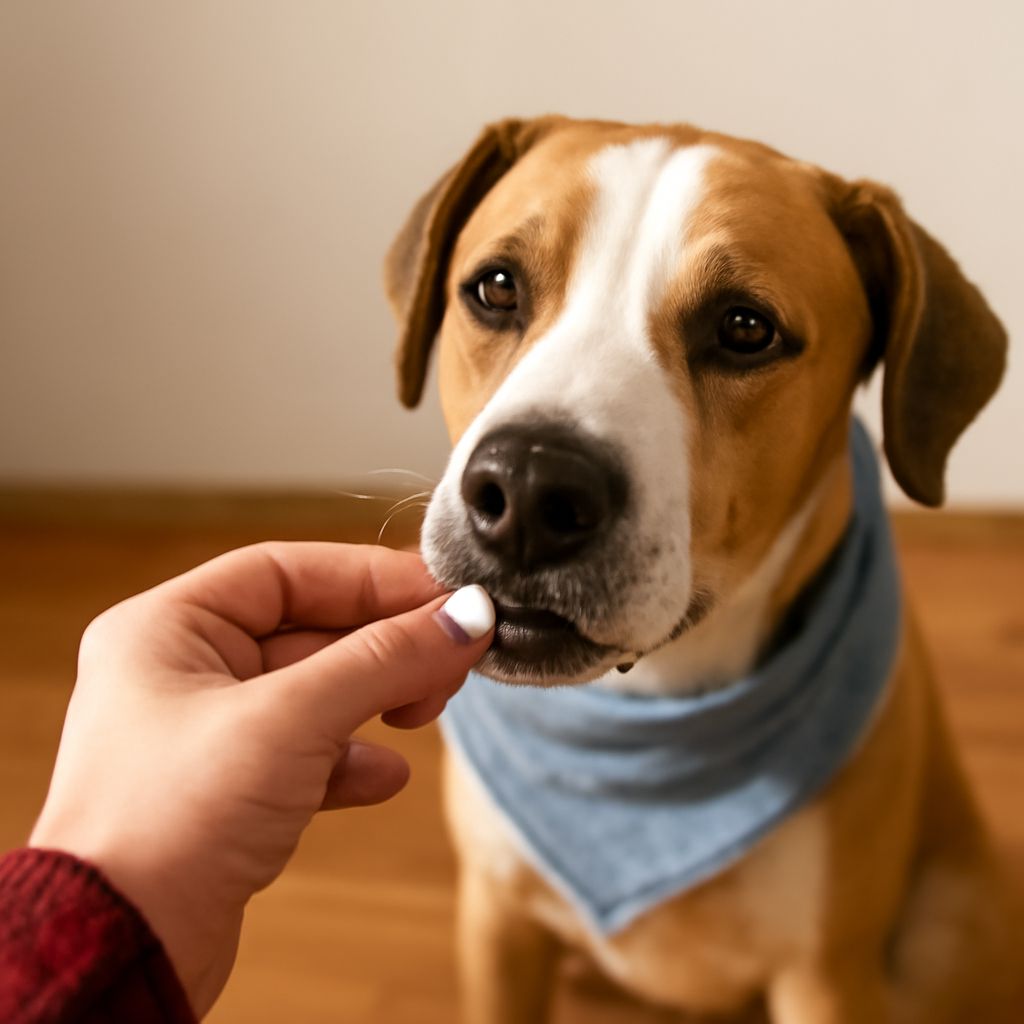
It is a common myth that wasp stings are rare or harmless to dogs, yet many pet owners are caught off guard when their dog gets stung by a bee or wasp. Understanding the difference between a bee sting and a wasp sting on your dog can make all the difference in ensuring your pet’s safety and comfort. While both insects have the potential to cause pain and swelling, wasp stings tend to be more aggressive as wasps can sting multiple times. Recognizing the signs and knowing how to respond effectively is critical for any dog owner.
In this article, we will demystify the steps to take when your dog is stung by a wasp, how to identify a wasp sting, when veterinary care is necessary, and how to prevent future stings. By equipping yourself with this knowledge, you’ll be better prepared to handle these situations with confidence.
What Should I Do if My Dog Gets Stung by a Wasp?
Immediately after your furry friend has been stung, swiftly move them away from the area to prevent further stings. Check your dog thoroughly for any signs of the wasp sting, such as localized swelling, redness, or a visible stinger. If you spot the stinger, gently remove it using tweezers, being careful not to squeeze more venom into the wound.
Cleansing the affected area with mild soap and water will help reduce infection risk. Applying a cold compress can alleviate swelling and reduce discomfort. Monitor your dog closely for any signs of an allergic reaction such as excessive drooling, difficulty breathing, or vomiting. If these symptoms arise, seek immediate veterinary attention.
How to Identify a Wasp Sting on Your Dog
Identifying a wasp sting can be tricky, especially if your dog has long or dense fur. Look for signs such as localized swelling and redness, which are common indicators of a sting. There may be intense scratching or licking by the dog on the sting site, as the discomfort can be quite irritating.
Wasp stings can also cause hives or welts, which may appear as raised bumps on your dog’s skin. Keep an eye out for signs of agitation or lethargy, as these may be subtle cues that your dog is experiencing discomfort from the sting. By recognizing these symptoms, you can better assess the need for action and care.
When to Seek Veterinary Care for a Wasp Sting
Most wasp stings can be managed at home with basic care and monitoring. However, it’s crucial to know when professional help is required. Seek veterinary care if your dog exhibits severe allergic reactions like swelling beyond the sting site or difficulty breathing. These symptoms could indicate anaphylaxis, a potentially life-threatening condition.
Also, if your dog is experiencing persistent pain or discomfort despite home remedies or if the swelling does not subside after a few hours, a vet visit may be necessary. Consulting a licensed veterinarian can ensure your dog receives appropriate treatment to avoid complications.
Preventing Future Wasp Stings for Your Dog
Preventive measures are vital in protecting your dog from future wasp stings. Be mindful of your surroundings during outdoor activities, and avoid areas with visible wasp nests. Keeping your yard tidy and removing attractants such as food scraps can deter wasps from settling near your home.
Training your dog to avoid insects and monitoring them closely during outdoor play can significantly reduce the risk of stings. Providing a secure and shaded area for your dog to play can also help minimize exposure to wasps. With the right precautions, you can ensure a safer environment for your dog to enjoy.
By understanding these steps and preventative measures, you’re not only prepared to handle a wasp sting but also equipped to safeguard your dog against future incidents. This proactive approach is key to maintaining your pet’s health and well-being.