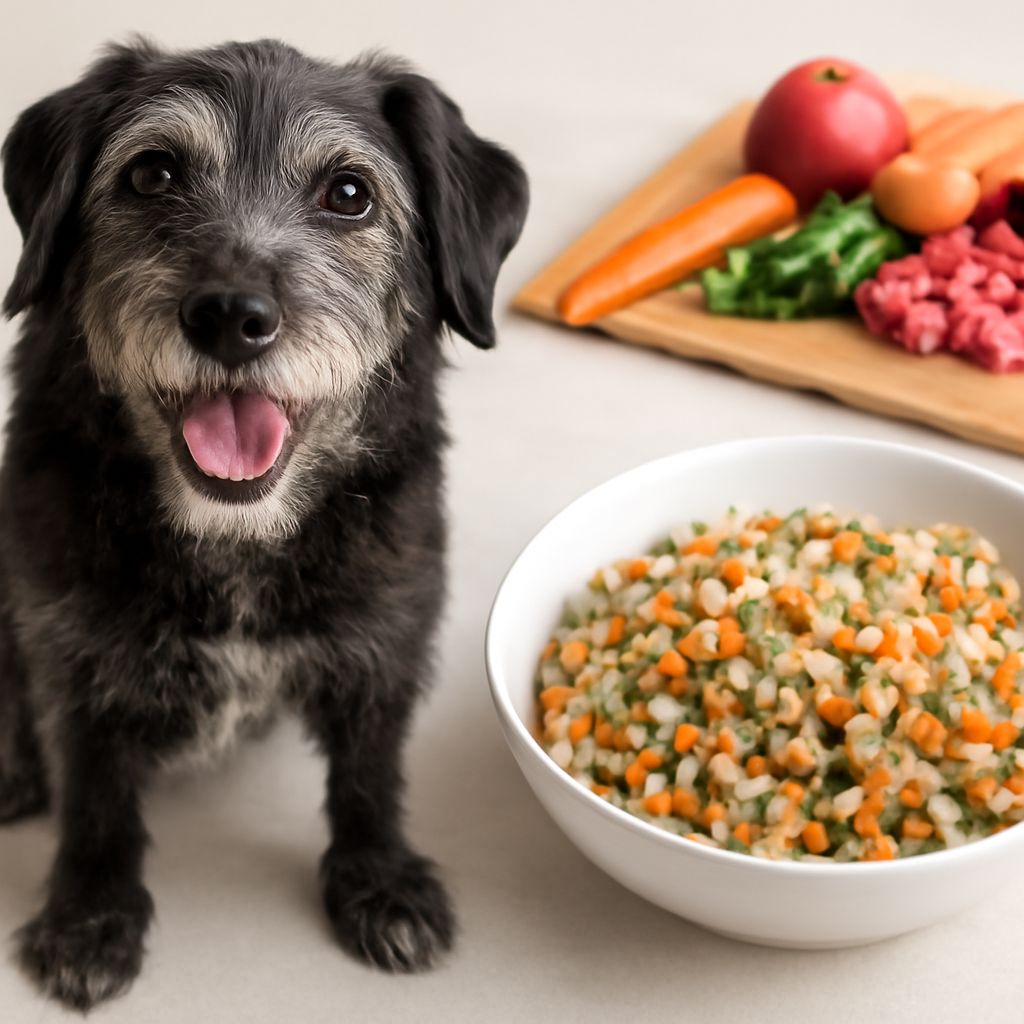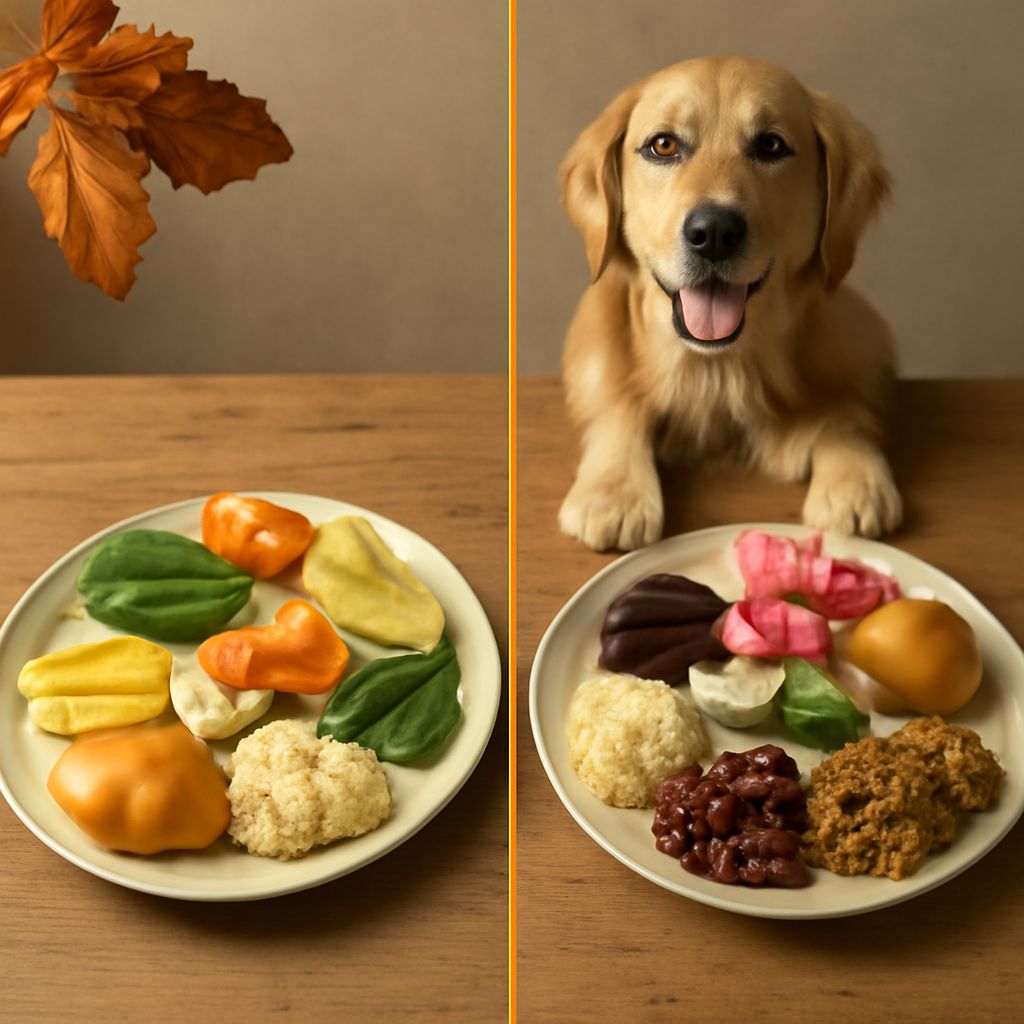
Many dog owners are surprised to learn that their furry friends can’t eat a variety of foods that seem harmless. While people often assume that dogs can eat what they eat, this belief can lead to unintended health issues for pets. Understanding foods dogs can’t eat is crucial for your dog’s well-being and safety. By knowing what foods to avoid, you can protect your dog from potential harm and ensure they lead a healthy life.
It might be shocking to discover that popular foods like chocolate, grapes, and onions can be toxic to dogs. Many people don’t realize the dangers these foods present until it’s too late. Educating yourself about foods dogs should not eat plays a significant role in preventing health problems. This knowledge empowers pet owners to make informed feeding decisions that keep dogs safe.
Understanding Foods Dogs Can’t Eat
Dogs have different digestive systems than humans, making some foods dangerous for them. Certain foods can cause severe health problems, so it’s important to know what foods should not be fed to dogs. Toxic foods like chocolate and onions can lead to symptoms ranging from mild discomfort to severe illness. Understanding these risks is essential for preventing harm to your pet.
Aside from toxic foods, some items are simply hard for dogs to digest. Foods like dairy products can cause digestive issues due to lactose intolerance in many dogs. Similarly, foods high in fat can lead to pancreatitis, a painful condition requiring immediate veterinary care. Identifying what foods dogs should not eat helps in avoiding these complications.
Common Foods Dogs Should Not Eat
Chocolate tops the list of foods dogs can’t eat due to its toxic effects. It contains theobromine, a compound that dogs cannot metabolize effectively, leading to symptoms like vomiting, diarrhea, and in severe cases, seizures. While small amounts might not cause immediate harm, regular consumption poses significant health risks.
Grapes and raisins are another group of foods dogs should not eat. Consuming even a small quantity can lead to kidney failure in dogs. Despite their popularity as snacks, grapes should be kept out of reach to prevent accidental ingestion. Pet owners should ensure these foods are stored safely to protect their dogs.
Onions and garlic, commonly used in human cooking, are harmful to dogs. These vegetables can cause gastrointestinal irritation and damage red blood cells, leading to anemia. Awareness of such dangers helps avoid feeding dogs these harmful items.
Why Certain Foods Are Harmful to Dogs
The harmful nature of certain foods stems from their composition and the dog’s inability to metabolize them effectively. Foods like chocolate contain substances that are toxic to dogs, posing significant health risks. Understanding the reasons behind these dangers helps pet owners make safer feeding choices.
For foods causing digestive issues, the problem often lies in their complex structures. Dairy products, for instance, contain lactose, which many dogs can’t digest properly, leading to stomach upset. Similarly, high-fat foods can overwhelm a dog’s digestive system, causing pancreatitis. Recognizing these risks ensures dogs avoid foods that lead to discomfort.
In many cases, the severity of harm depends on the quantity consumed. Smaller amounts might cause mild symptoms, while larger quantities can lead to severe health problems. Monitoring what foods dogs should not eat and understanding the reasons for their harmful nature is key to maintaining a dog’s health.
Key takeaways: Understanding what foods are harmful to dogs is essential for their health and safety. By knowing which foods dogs can’t eat, pet owners can prevent potential health issues. Always consult a veterinarian for guidance on complex feeding decisions or if your dog experiences adverse reactions after consuming certain foods.