Many dog owners worry about the recovery process after their pets undergo surgery. A common misconception is that most dogs will develop infections, especially in cases like an infected spay incision dog. However, with proper care and attention, the dog stitches healing time can proceed smoothly without complications. It’s crucial to understand the difference between normal healing and signs of dog stitches infected, to ensure your pet’s swift and healthy recovery.
While the internet is rife with horror stories, not every surgical site develops problems. Recognizing the early indicators of an issue, such as redness or swelling, can help prevent more severe complications. By following veterinarian advice and taking preventative measures, most dog stitches can heal without incident.
What Are the Common Concerns with Dog Stitches?
Understanding Dog Stitches Healing Time
Healing times for dog stitches can vary based on several factors. Generally, the initial phase of healing, where the wound edges begin to close, occurs within a week. Complete healing, however, may take two to three weeks. Factors such as the dog’s age, health status, and the complexity of the surgery can influence this timeline.
Identifying Signs of Dog Stitches Infected
Recognizing signs of infection early is crucial. Indicators that a dog’s stitches may be infected include increased swelling, redness, and the presence of pus. If your dog exhibits excessive licking or discomfort around the area, it may signify an issue. Always consult your veterinarian if these signs appear to ensure a timely response.
How to Care for Your Dog After Surgery
Preventing an Infected Spay Incision
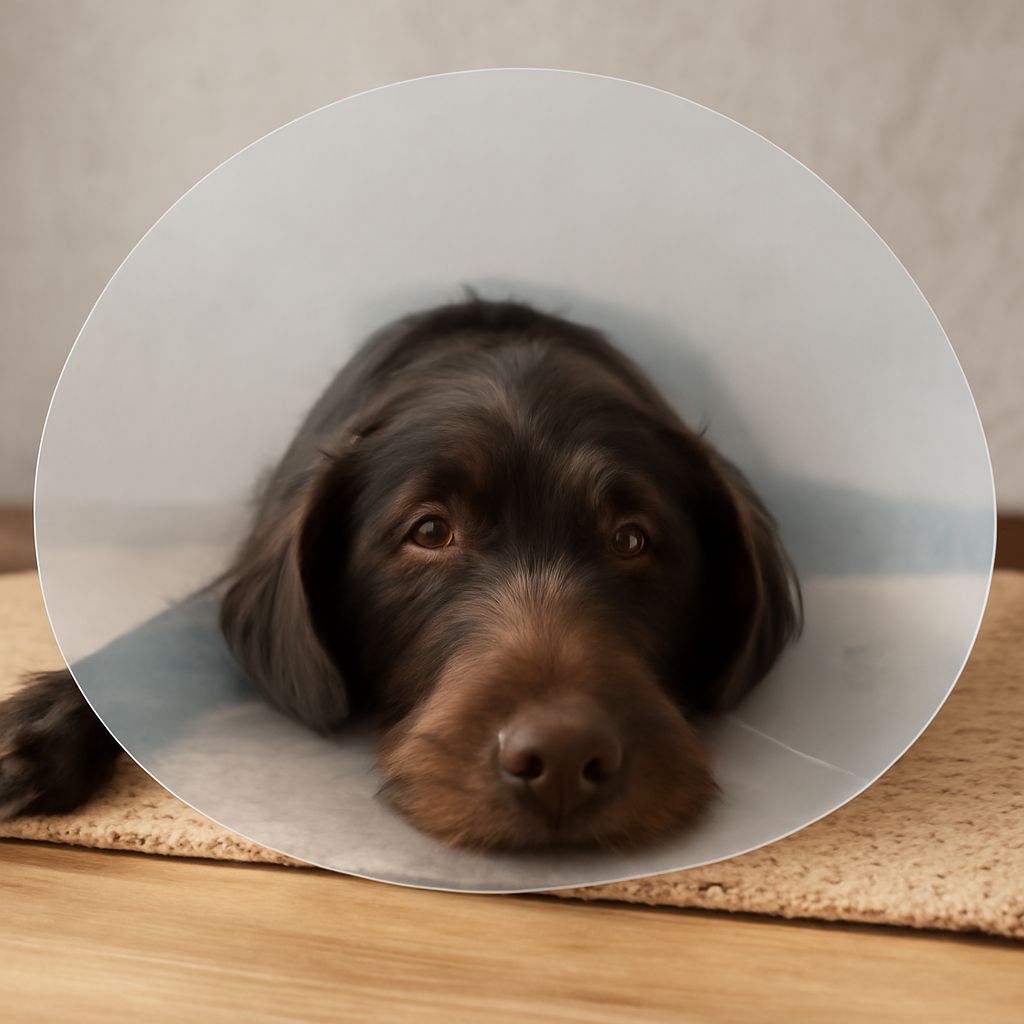
Avoiding infection starts with maintaining cleanliness. Keep the incision area dry and clean, and prevent your dog from licking it. Using an Elizabethan collar can be effective in discouraging your pet from interfering with the wound. Regularly inspect the area for any changes in appearance.
Monitoring Dog Stitches for Complications
Beyond preventing infection, monitoring for other complications like separation of the wound edges is important. Ensure your dog isn’t engaging in excessive physical activity that could stress the incision. Follow all post-operative instructions provided by your veterinarian to aid in optimal recovery.
How Long Does It Take for Dog Stitches to Heal?
Factors Affecting Dog Stitches Healing Time
The time it takes for stitches to heal can be affected by the location of the surgery, the type of stitches used, and the overall health of the dog. A healthy dog with no underlying health issues will generally heal faster. Additionally, internal stitches may take longer to heal compared to external ones.
What to Do If Your Dog’s Stitches Get Infected
Steps to Take for an Infected Spay Incision Dog
If an infection is suspected, it is critical to contact your veterinarian immediately. Do not attempt to treat the infection at home without professional guidance. Veterinarians may prescribe antibiotics or recommend a specific treatment plan. Timely intervention is key to preventing more serious complications.