Many dog owners believe that teaching a dog to sit is an intuitive process, requiring no formal training or planning. However, the truth is that without structured methods, consistency, and a good understanding of canine behavior, this task might not yield the desired results. Contrary to popular belief, success in teaching a dog to sit does not happen overnight. It involves strategic steps and the right techniques tailored to each dog’s unique temperament and learning speed. This article outlines effective strategies to train a dog to sit, focusing on positive reinforcement and avoiding common pitfalls.
Understanding how to teach a dog to sit isn’t just about following a series of commands or mimicking actions. It’s about creating a foundation of obedience that fosters a harmonious relationship between you and your pet. By using proven methods and acknowledging the importance of timing and consistency, you can better ensure that your training efforts will lead to success and enhance your dog’s overall behavior.
Why is Teaching a Dog to Sit Important?
Benefits of Teaching a Dog to Sit
Teaching a dog to sit is fundamental in establishing discipline and enhancing communication between you and your pet. A dog that knows how to sit on command is easier to manage and more responsive to additional training. This basic command helps in managing your dog in various situations, such as greeting guests or during walks. It fosters a sense of order and predictability, making it simpler for your dog to navigate the human world.
When to Start Training
You can introduce the sit command as early as eight weeks old. Puppies are like sponges at this age, absorbing new information rapidly. However, if your dog is older, it is never too late to begin teaching the sit command. Older dogs, while possibly set in their ways, can learn to sit with consistent and positive methods. Regular practice is key to ensuring they grasp the concept thoroughly.
Step-by-Step Guide on How to Train a Dog to Sit
Preparing Your Dog for Training
Before starting, ensure your dog is in a calm state of mind and not overly excited. A quiet environment with minimal distractions will enhance focus. Use treats as incentives, as they are effective motivators. Keep sessions short—around five to ten minutes—to maintain your dog’s interest and engagement.
Using Positive Reinforcement
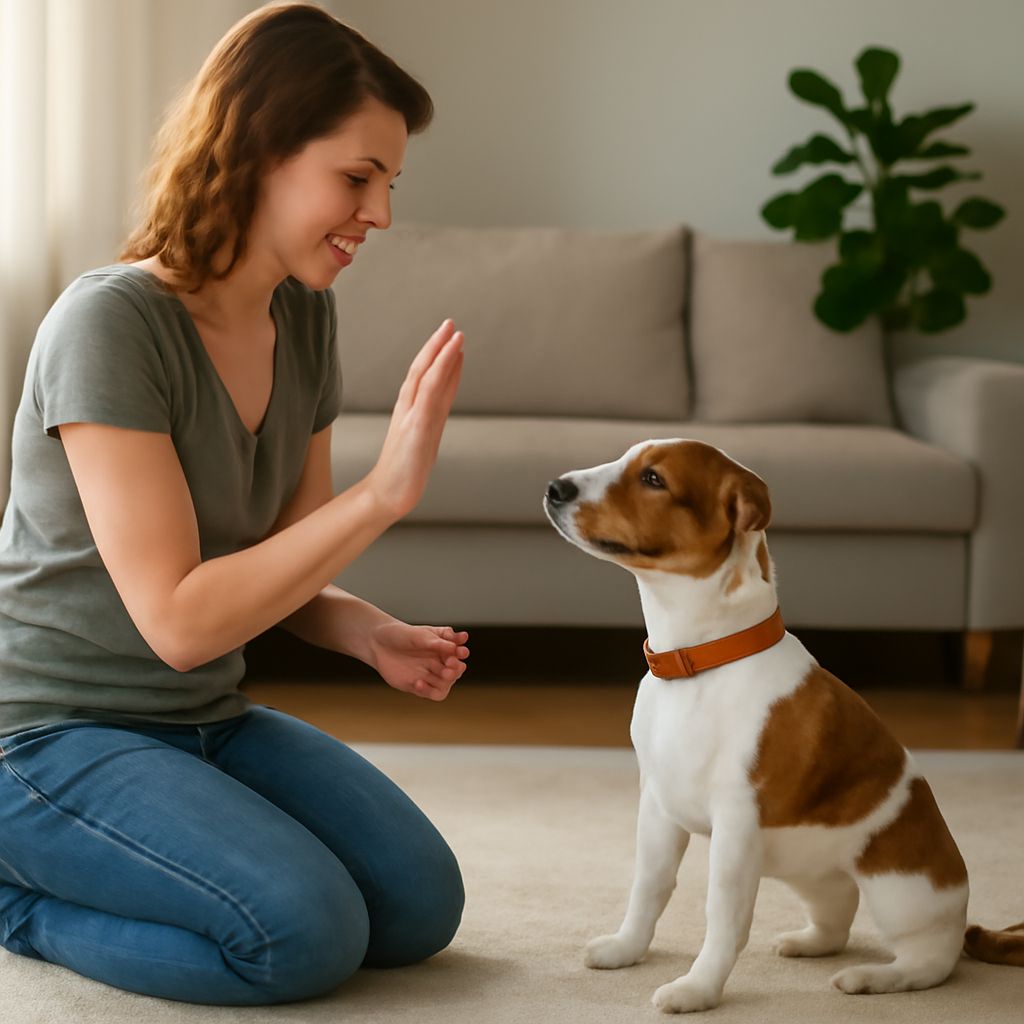
Positive reinforcement involves rewarding your dog immediately after sitting. This could be a treat, praise, or a favorite toy. Use a clear, consistent command like “sit” and wait for your dog to comply. If needed, gently guide their back end to the ground. Over time, they will associate the action with the reward and command.
Common Mistakes to Avoid
One common mistake is overusing commands, which can lead to confusion and delayed responses. Avoid expressing frustration or impatience, as negative emotions can hinder your dog’s willingness to learn. Consistency is critical; ensure everyone in the household uses the same command and rewards system.
Tips for Success in Teaching a Dog to Sit
Maintaining Consistency
Consistency in cues and rewards is crucial. Practice the sit command across different environments and situations to reinforce learning. Consistent training helps your dog understand that sitting is expected regardless of distractions or new settings.
When to Seek Professional Help
If progress stalls or behavioral issues arise, consulting a professional dog trainer may be beneficial. They can provide tailored advice and strategies to address specific challenges. A licensed trainer can offer insights into your dog’s behavior and suggest modifications to your training approach.
Safety recap: Consistent practice and the use of positive reinforcement will lead to successful training. Always ensure that your dog is in a safe environment when practicing commands. If you encounter difficulties, consider reaching out to a professional for guidance.