It is a common misconception that all WW2 dog tags were identical across different nations. However, the reality is far more nuanced, with each country’s military developing distinctive styles and materials suited to their needs. For instance, German dog tags were not just identification tools but also carried unique historical significance. At the same time, Canadian dog tags displayed their evolution, reflecting the unique military heritage of Canada during the war. Today, these historical items have inspired modern variations, such as personalized dog tags for boyfriend, showcasing how these relics continue to influence contemporary styles.
This guide delves into the fascinating details behind each type of dog tag from World War II, focusing on their historical evolution and the specific features that set them apart. Learn about the significant roles they played in military identification and heritage, and discover how these historical tags have paved the way for modern personalized designs.
What Are WW2 Dog Tags?
History of WW2 Dog Tags
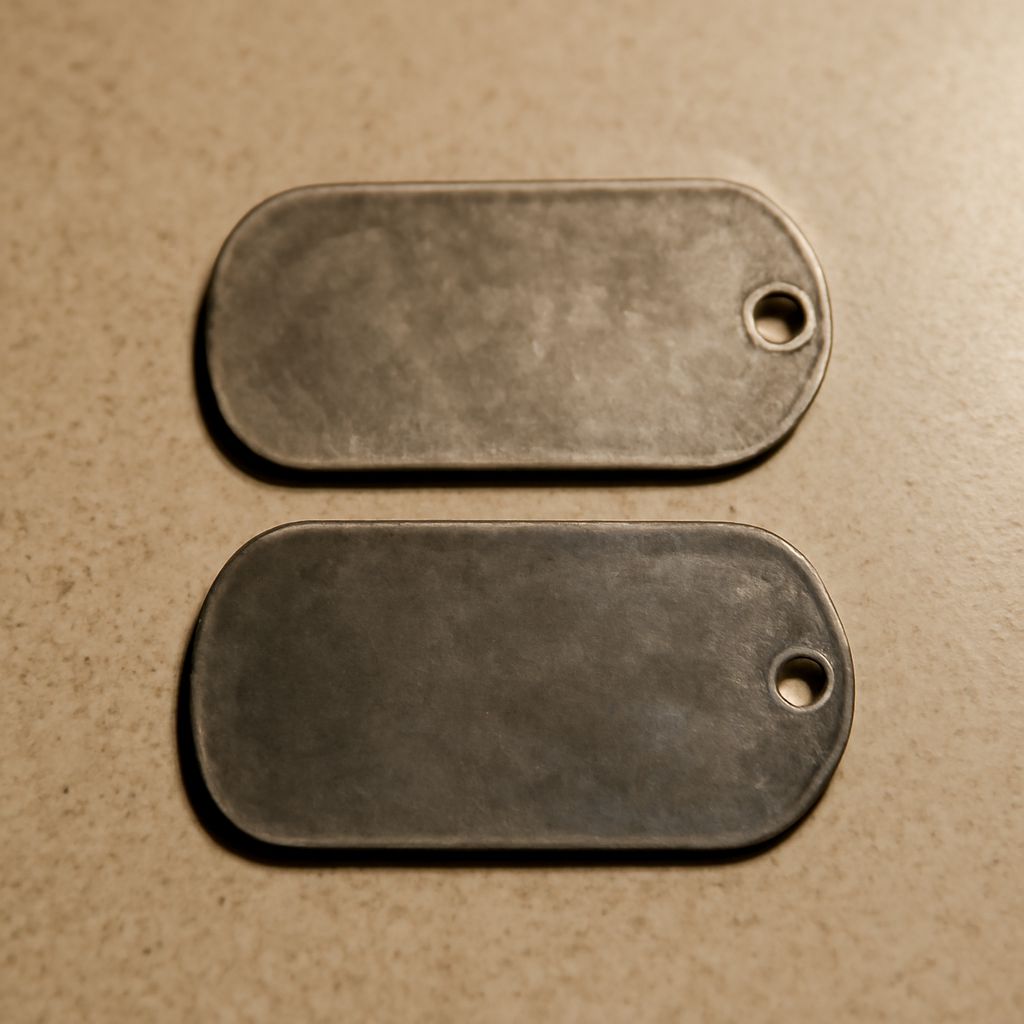
WW2 dog tags were essential military identification tools. These identification tags emerged as a standardized method to ensure that soldiers could be properly identified if they were killed or wounded in action. The evolution of dog tags during World War II marked a critical point in military logistics and personal identification.
Materials Used in WW2 Dog Tags
The materials for WW2 dog tags varied widely, often including metals like steel or aluminum. The choice of materials was influenced by availability and durability, ensuring that the tags could withstand harsh conditions. This practical aspect made them invaluable in the field.
How Did German Dog Tags Differ?
Design of German Dog Tags
German dog tags during World War II had a unique oval shape, unlike the more rectangular designs of other nations. These tags were typically split into two halves, allowing them to serve a dual purpose in identification. The design was not just for utility but also reflected Germany’s approach to military organization.
Identification Purposes
The primary function of German dog tags was to provide identification for soldiers. Engraved with essential information such as the soldier’s identification number and unit, these tags were crucial for maintaining order and efficiency within the military ranks.
What Makes Canadian Dog Tags Unique?
Canadian Dog Tag Materials
Canadian dog tags were often made from brass or stainless steel, materials chosen for their resistance to corrosion and damage. This choice reflects the Canadian military’s emphasis on durability and longevity.
Role in Canadian Military History
In the broader context of Canadian military history, these dog tags symbolize the development of a distinct national identity during WW2. They were more than just tools for identification; they were emblems of service and sacrifice.
What Was the Role of Dog Company WW2?
Functions of Dog Company
Dog Company in WW2 played a pivotal role in the use of dog tags. Tasked with logistics and supply, this company ensured that every soldier received a set of tags upon enlistment, highlighting their importance in military operations.
Impact on Dog Tag Use
The activities of Dog Company significantly impacted the standardization and distribution of dog tags, underscoring their essential role in WW2 military logistics. This standardization paved the way for future military identification practices.
How to Choose Personalized Dog Tags for Boyfriend
Factors to Consider
When selecting personalized dog tags for a boyfriend, consider factors such as material, customization options, and durability. These modern dog tags can reflect personal style and sentiment, making them a meaningful gift.
Popular Styles
Popular styles for personalized dog tags include those with engraved messages or unique designs. The personalization aspect allows for a wide range of creative and heartfelt expressions, resonating with the historical depth of WW2 dog tags.
Safety recap: When handling historical dog tags or creating personalized versions, ensure that materials used are hypoallergenic, especially for daily wear. Consider consulting a licensed stylist for complex design choices to avoid damaging heritage items.