For many dog owners, communication with their pets can feel like a guessing game. Yet, the concept of a dog bell for door is breaking barriers and reshaping this interaction. Some might think dog doorbells are just a novelty, but they serve a profound purpose in improving how dogs convey their needs. A dog bell collar is not merely a fashion accessory; it is an essential tool that facilitates clear communication between pet and owner. In truth, integrating dog bells into daily routines can remarkably reduce misunderstandings and enhance mutual trust.
Despite some skepticism, the use of dog doorbells is growing among pet owners who wish to refine their training methods. Discovering various types of dog bells, including those integrated into collars, is a vital step for anyone wanting to improve their pet’s communication skills. Let’s dive into how these innovative tools can transform the way you understand your beloved canine.
Understanding Dog Doorbells
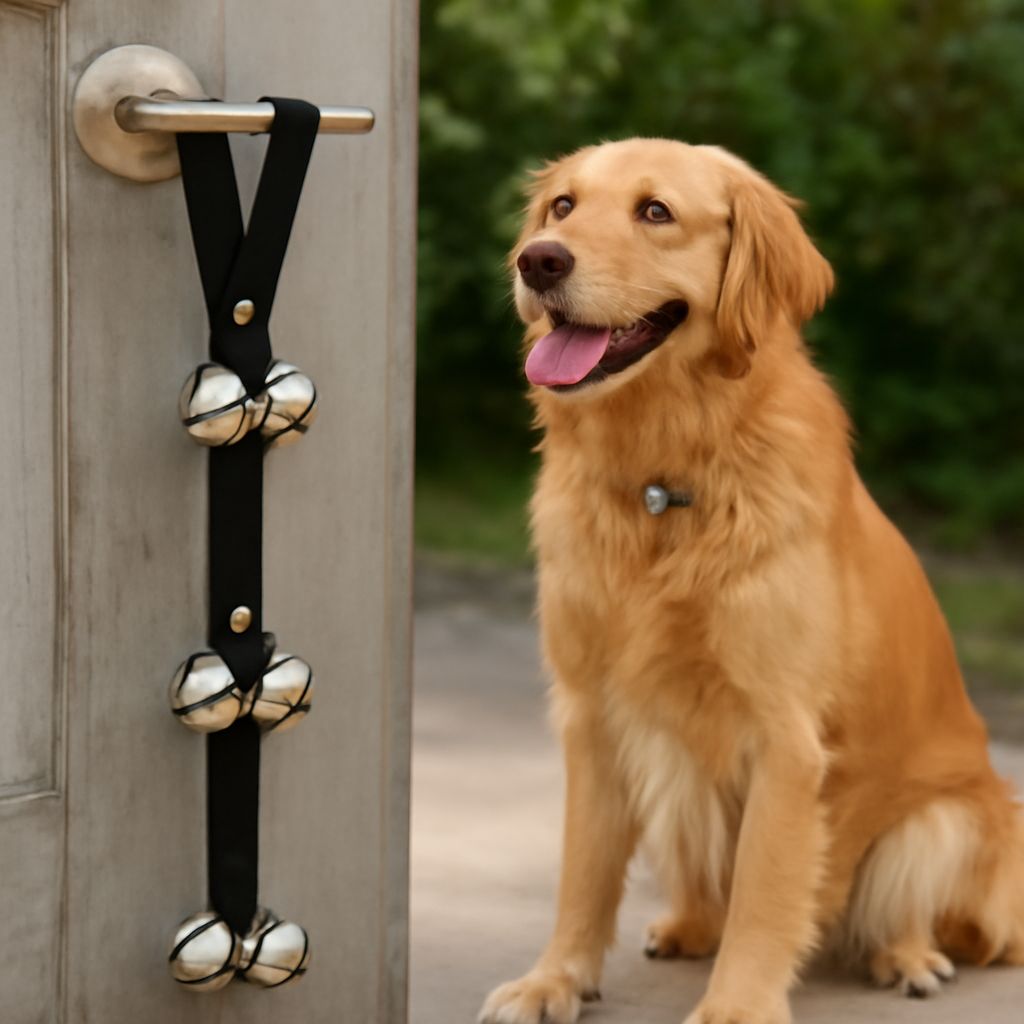
Dog doorbells come in various shapes and mechanisms, from traditional hanging bells to electronic chimes. These devices serve as a bridge that allows dogs to signal their needs, whether it’s going outside or simply seeking attention. Dog bells are designed with the dog’s natural instincts in mind, making them an effective communication tool.
In the same way that dog bell collars offer convenience, electronic dog doorbells provide versatility. Pet owners can choose between different sounds and volumes, making it easier to recognize when their dog is communicating. This variety ensures that dog doorbells can be tailored to suit any household environment.
Understanding the purpose and function of these tools requires exploring the different types of dog bells available. By doing so, you can select the most appropriate one to fit your dog’s needs and lifestyle.
Choosing the Right Dog Bell for Your Home
Selecting the perfect dog bell involves considering several factors, such as the size of your pet and the layout of your home. When evaluating options, think about whether a hanging bell or a dog bell collar would be more practical. Each type of dog bell has its own set of advantages.
For smaller dogs or those prone to anxiety, a dog bell collar might be more suitable. This collar keeps the bell within reach, ensuring that it rings with minimal effort from the dog. In contrast, larger breeds may benefit from a traditional hanging bell positioned at a convenient height.
Another consideration is the material and durability of the dog bell. Opt for a bell that withstands daily wear and tear, especially if placed outdoors. Moreover, the bell’s sound should be distinct yet pleasant, ensuring that it effectively captures your attention without causing discomfort to your pet.
Training Your Dog to Use a Dog Bell
Training your dog to use a dog bell requires patience and consistency. Start by introducing the bell to your dog and allowing them to sniff and explore it. This initial familiarity is crucial to the training process.
Once your dog feels comfortable with the bell, associate its use with a specific action, like going outside. Encourage your pet to ring the bell using treats or praise whenever they successfully use it. Over time, this positive reinforcement helps the dog understand that ringing the bell results in a favorable outcome.
For more complex behaviors or if your dog struggles with the training, consider consulting a professional dog trainer. These experts can offer tailored guidance and strategies to assist in the process.
Ultimately, training a dog to use a dog bell enhances communication and fosters a better relationship between pet and owner. By choosing the right bell and dedicating time to proper training, you can unlock a new level of interaction with your four-legged friend.