Why Is My Dog Limping? Understanding the Causes and Solutions
Many dog owners share a common worry: “My dog is limping, what should I do?” The sight of a beloved pet struggling to walk can be distressing. While some might assume that a limping dog is always a result of a simple injury, the reality can be far more complex. Issues such as arthritis, paw problems, or more serious conditions may also be responsible. Understanding the root cause is essential to ensure your dog receives the proper care it needs.
It’s important to note that limping can be caused by various factors, requiring an informed approach. By exploring potential causes and appropriate responses, you’ll be better prepared to support your pet’s recovery and long-term health. Discover how to identify when a trip to the veterinarian is necessary and what steps can be taken at home to aid in their comfort and healing.
Common Causes of a Limping Dog
Injuries and Trauma
Accidents and physical trauma are frequent reasons for limping. Dogs may experience sprains, fractures, or muscle injuries that lead to discomfort. Identifying these conditions early is critical for effective treatment. Look for signs such as swelling or reluctance to put weight on the affected leg.
Arthritis and Joint Issues
Arthritis is a prevalent condition in aging dogs, leading to persistent limping. This degenerative joint disease causes stiffness and pain, particularly noticeable after rest. Joint issues can also occur in younger dogs, especially in breeds prone to hip dysplasia or other hereditary problems.
Paw Problems
Paw concerns, such as cuts, splinters, or infections, can also cause limping. Regularly inspecting your dog’s paws can help spot foreign objects or signs of injury early. Nails that are too long can create an imbalance, exacerbating discomfort.
When to See a Veterinarian
Signs That Require Immediate Attention
If your dog exhibits severe limping, refuses to bear weight on a limb, or shows signs of extreme pain, immediate veterinary attention is essential. Other red flags include visible wounds, excessive swelling, or sudden onset of symptoms without an apparent cause.
Preparing for the Vet Visit
Gathering information before a vet visit can aid in diagnosis. Take note of when the limping began, any changes in behavior, and any relevant history of previous injuries. A licensed veterinarian is best equipped to determine the underlying issue and recommend appropriate treatment options.
How to Help Your Dog at Home
First Aid for a Limping Dog
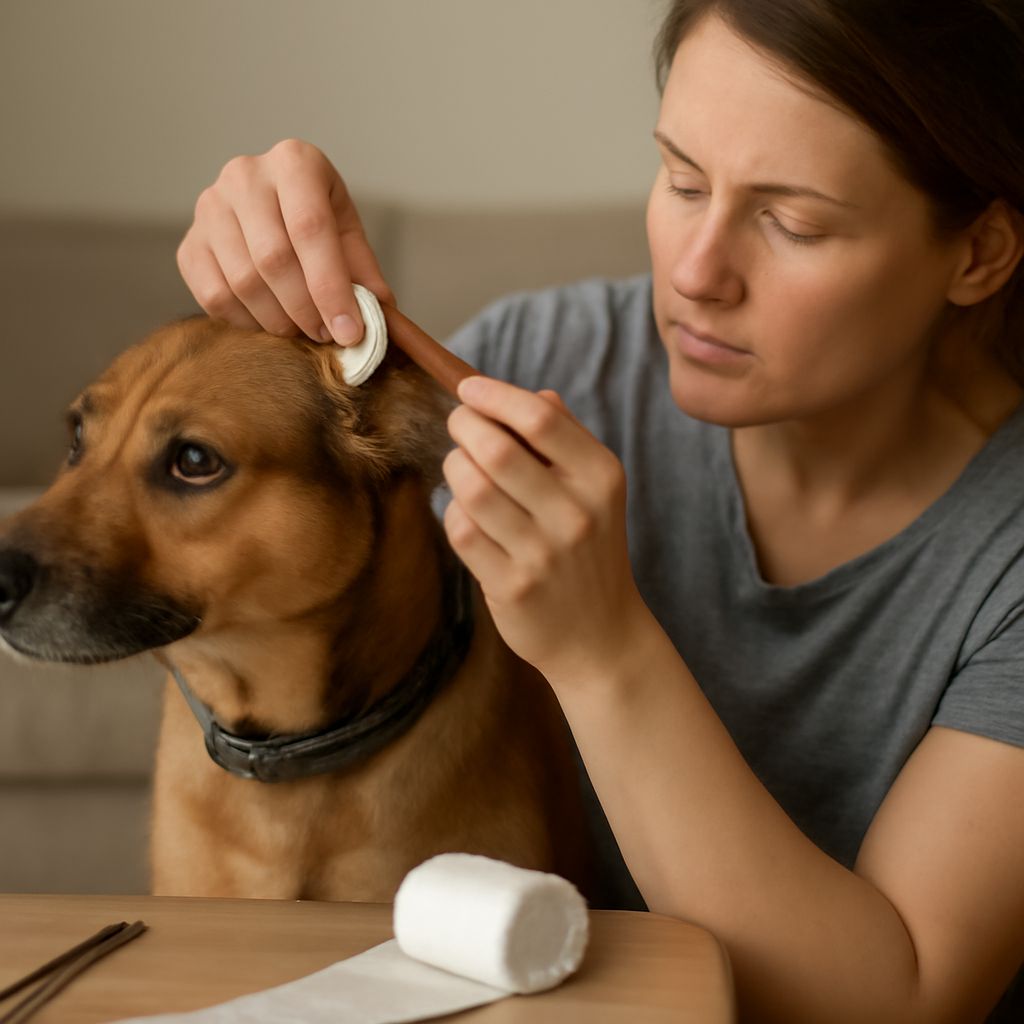
Providing immediate care can alleviate discomfort. Applying a cold compress to reduce swelling or gently wrapping a suspected sprain can be beneficial. However, avoid administering any medications without consulting a vet, as some can be harmful to dogs.
Creating a Comfortable Environment
Ensure your dog’s resting area is easily accessible and comfortable, minimizing the need for jumping or climbing. Soft bedding can support joint health, while ensuring water and food are within reach can prevent unnecessary strain.
Preventing Future Limping in Dogs
Regular Check-Ups and Exercise
Routine veterinary check-ups play a crucial role in maintaining your pet’s health. Regular, appropriate exercise helps keep muscles strong and joints flexible, reducing the risk of injury and joint problems.
Proper Nutrition and Weight Management
A balanced diet is vital for maintaining your dog’s health. Nutritional supplements can support joint health, while managing weight helps decrease stress on the limbs, preventing conditions like arthritis.