Can You Spay a Dog in Heat? Timing, Risks, and What to Expect
Can you spay a dog in heat is one of the most common questions veterinary teams receive from dog owners. The straightforward answer is yes, technically it is possible, but most vets recommend against it unless circumstances require it. What happens when a dog is spayed during a heat cycle is that the reproductive tissues are more engorged with blood, which raises the surgical risk and extends procedure time. Can you spay a dog while in heat without complications? Some dogs come through it without issues, but the elevated risk is real and worth taking seriously. Spaying a dog in heat is generally discouraged in favor of waiting. Understanding when to spay a dog after first heat helps owners plan the timing correctly.
Why Vets Prefer to Wait
During the estrus cycle, the uterus and ovaries have increased blood supply. Blood vessels in the reproductive tract are larger and more fragile than at other times. This makes the standard ovariohysterectomy procedure more technically demanding. Blood loss during surgery is higher on average, which extends anesthesia time and recovery. Most veterinary surgeons prefer to wait four to eight weeks after the heat cycle ends before scheduling the operation.
Emergency situations can override this preference. If a dog develops pyometra, a serious uterine infection that typically follows a heat cycle, surgery is performed regardless of timing because the infection itself is life-threatening.
When to Spay a Dog After First Heat
The timing of spay surgery relative to the first heat cycle is a subject of ongoing research. For large and giant breeds, some studies suggest waiting until after the first or even second heat cycle may reduce certain orthopedic and health risks associated with early spay. For small breeds, early spay before the first heat carries fewer such concerns and can reduce the risk of mammary tumor development.
Discuss your individual dog’s breed, size, and health history with your vet. The right timing for spaying after the first heat is not universal. It depends on factors including projected adult size and the specific health data available for your breed.
What to Expect After Spay Surgery
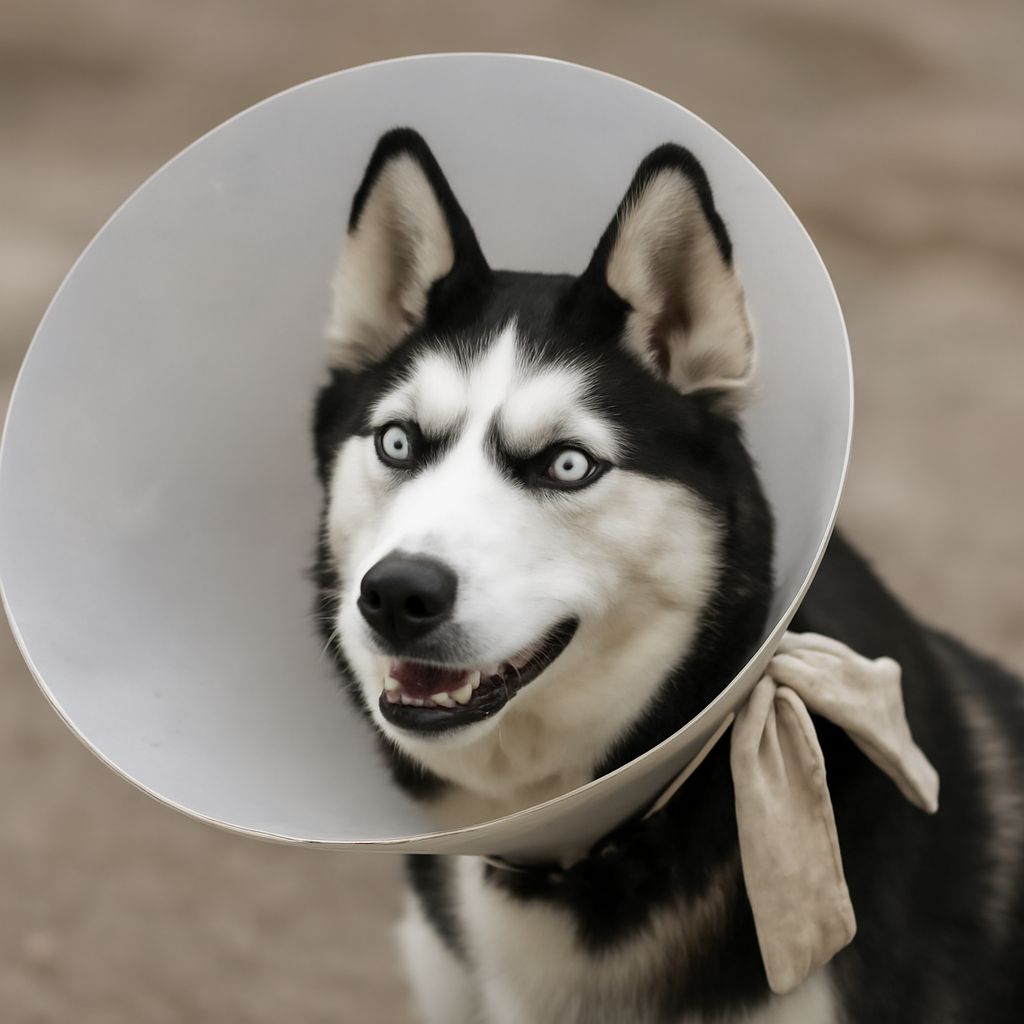
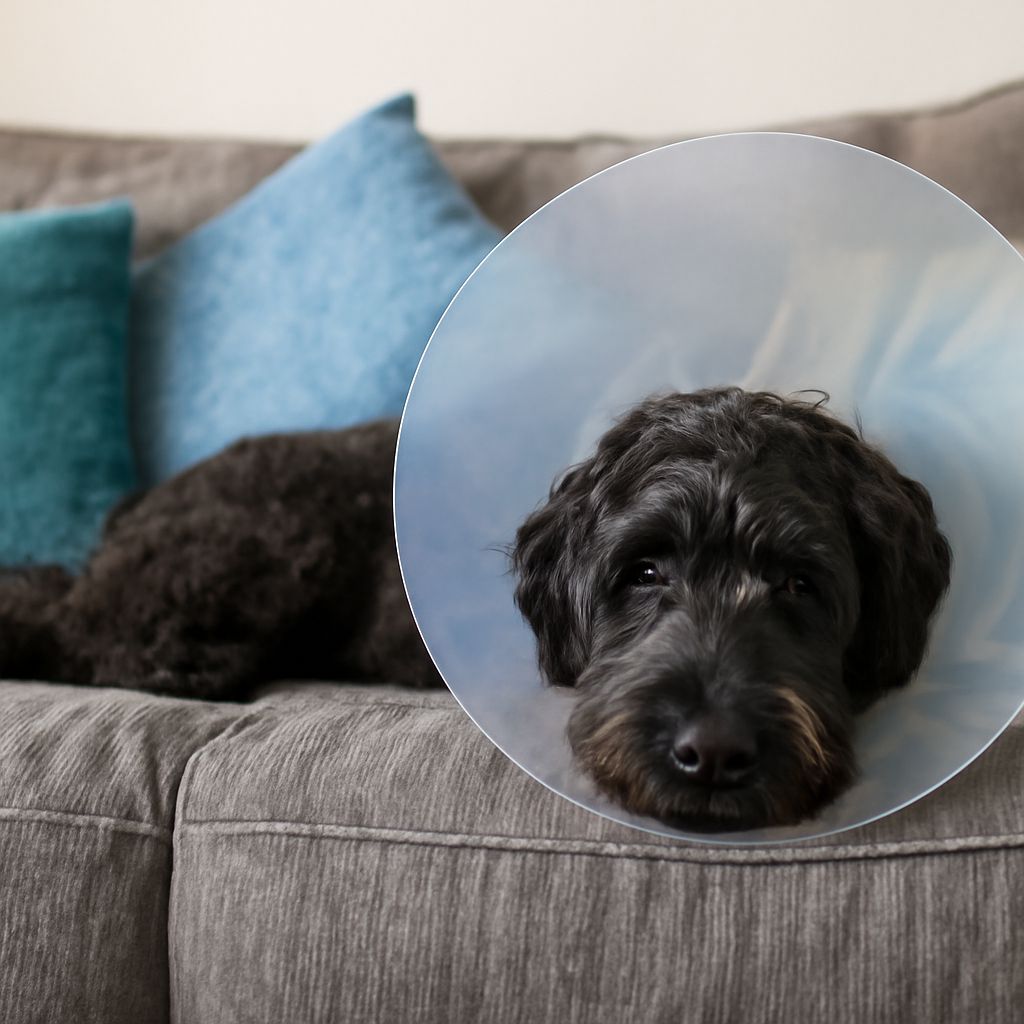
Recovery from a standard spay takes ten to fourteen days. Your dog will need restricted activity, a protective collar to prevent licking the incision, and daily wound checks. Pain medication is typically prescribed for the first few days. Most dogs resume normal activity within two weeks, though internal healing continues for several weeks after that.
Signs of complications include incision swelling, discharge, persistent lethargy, loss of appetite, or redness spreading from the wound site. Contact your vet promptly if any of these appear. Complications are uncommon in routine spay procedures but should never be ignored when present.