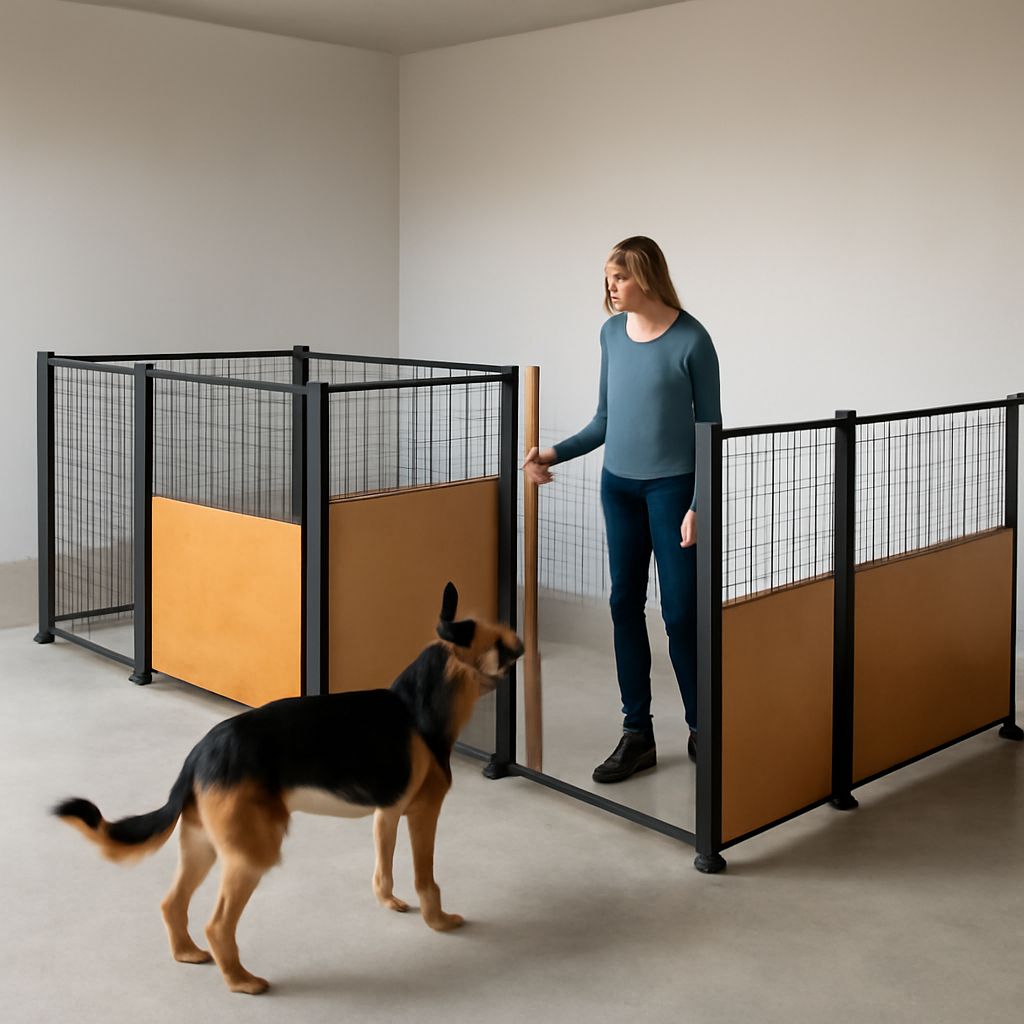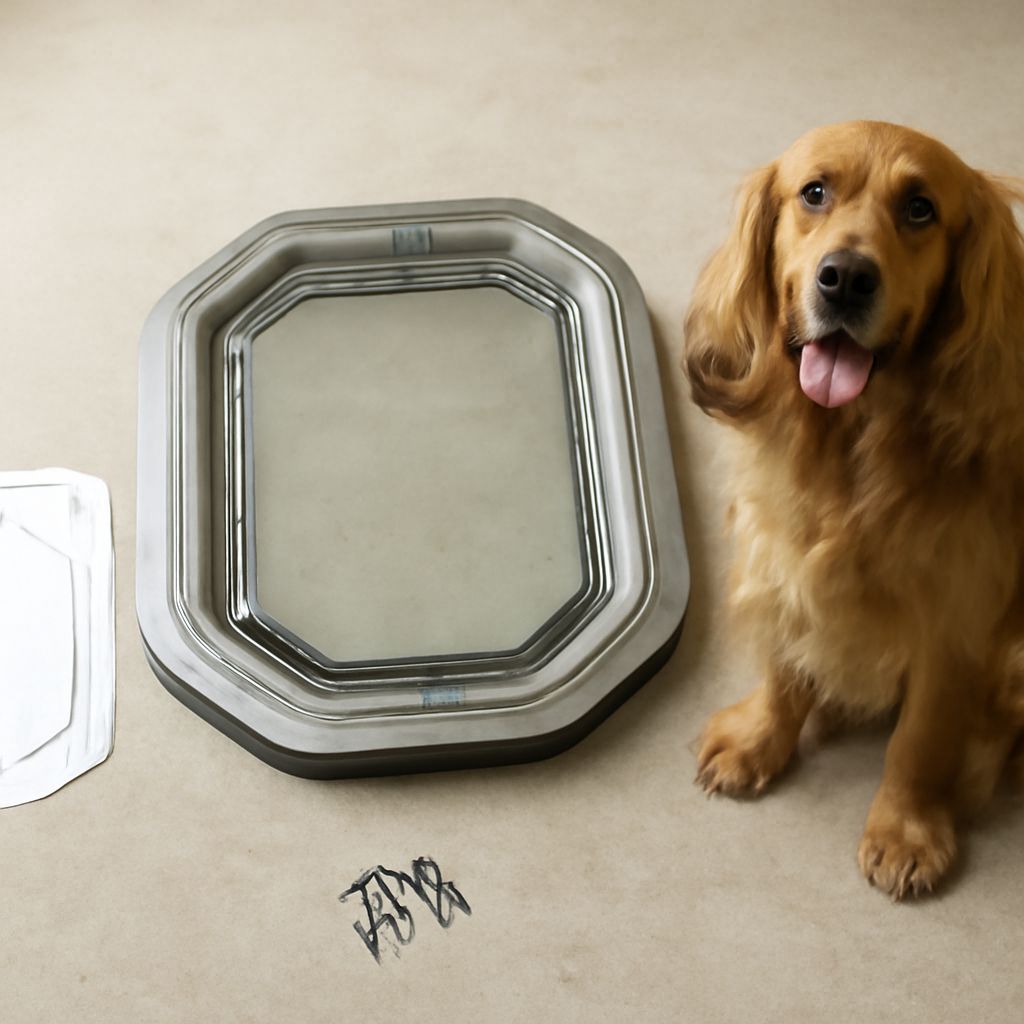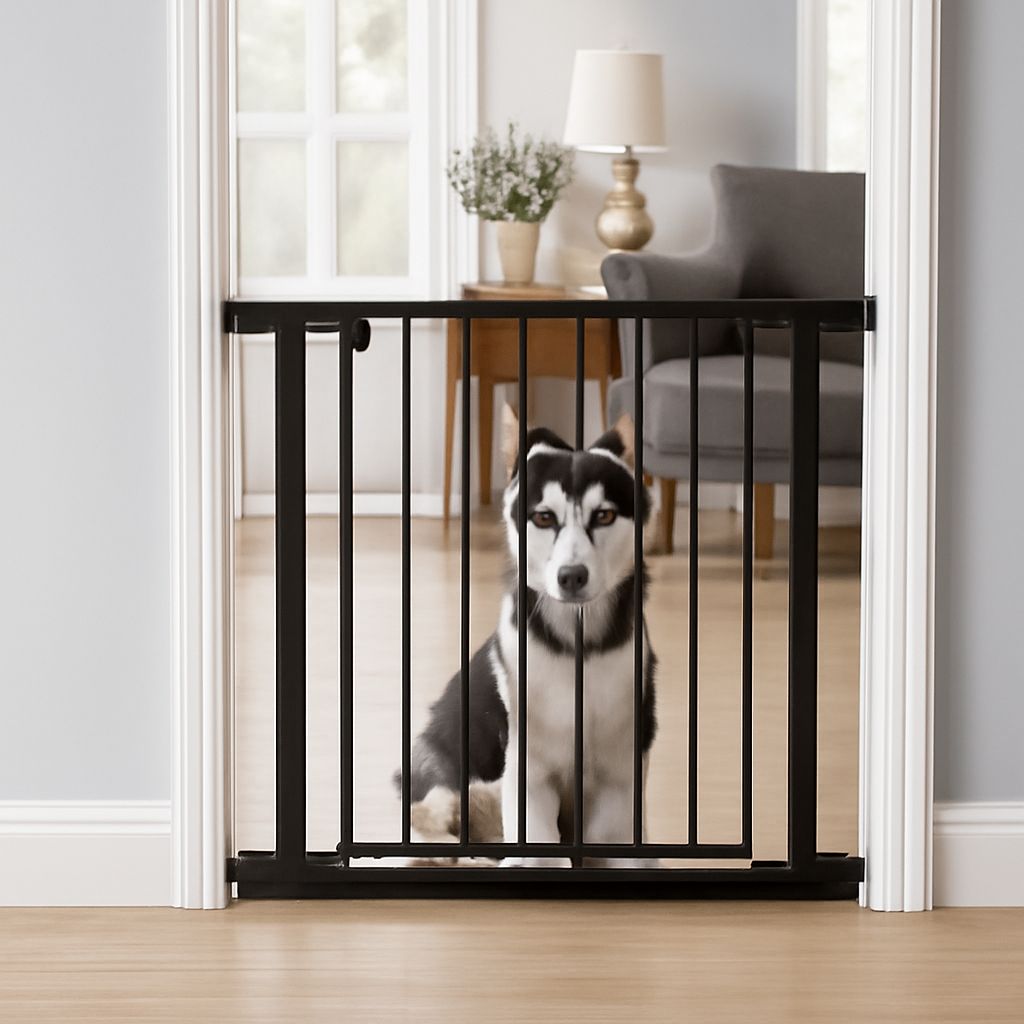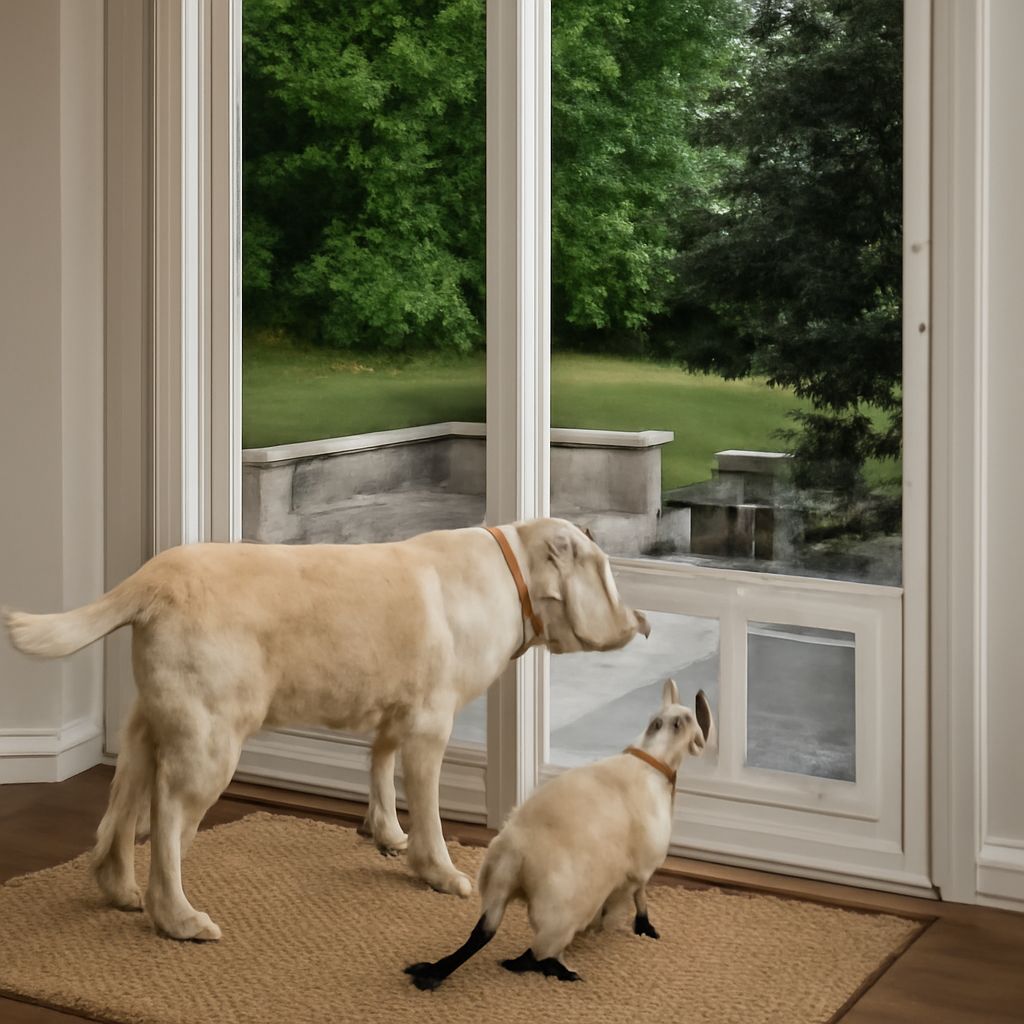
A door with pet door built in is one of the most practical upgrades for dog owners who want to give their pets more independence without constant supervision. Many people assume any pet door will work in any door, but sizing, insulation rating, and installation method vary significantly between products. A magnetic pet door, for example, uses magnets to keep the flap sealed when not in use, reducing drafts and preventing small wildlife from entering.
Running with dog routines, sleeping with pets arrangements, and concerns about a dog scratching door protector are all related to the same underlying question: how do I set up my home so that my dog can move freely and comfortably without causing damage or disrupting my schedule? The right door setup addresses all of these at once.
Types of Pet Doors and How to Choose
Standard flap doors are the most common and affordable option. They’re available in single or double flap versions — double flap offers better insulation. A magnetic pet door uses embedded magnets in the frame and flap to create a tighter seal, which makes it a better choice for colder climates or homes with high heating costs.
Electronic or microchip-activated doors only open for registered pets. These are ideal for homes with multiple pets of different sizes or for keeping neighborhood cats out. They’re more expensive but eliminate most security and wildlife concerns. Sliding door inserts fit into the track of existing sliding glass doors without permanent installation, which suits renters.
Sizing and Installation
Measure your dog at the shoulder (height) and across the chest (width). The flap opening should be at least 1 inch taller than the dog’s shoulder height and wide enough to pass through without squeezing. Dogs that are still growing should be measured at their expected adult size. A door installed too small will be avoided entirely.
Installation into an exterior door requires cutting a clean opening, which is a permanent modification. Pre-hung doors with pet doors already integrated are available for new builds or full door replacements — these tend to have better insulation ratings than retrofit cuts. For older doors, professional installation reduces the risk of structural compromise.
Protecting Your Door from Scratching
Even with a pet door installed, many dogs scratch the surrounding frame while waiting or when the door is locked. A dog scratching door protector — typically a clear plastic or metal shield applied to the door surface — prevents gouges and paint damage. These are available in self-adhesive or screw-mounted versions. The screw-mounted type holds better on high-traffic doors.
Training your dog to use the new pet door also reduces scratching. Start by propping the flap open and luring the dog through with treats. Gradually lower the flap until the dog pushes through it confidently. Dogs that have been sleeping with pets routines established may take longer to independently use a pet door because they’re accustomed to human-initiated access.
Lifestyle Fit: Running, Sleeping, and Daily Routines
Running with dog owners who train in the early morning often benefit most from pet doors — the dog can go out to relieve itself without interrupting the pre-run routine. Dogs that are crated overnight won’t use a pet door while crated, so integrate the door into daytime management rather than overnight supervision.
Sleeping with pets and using a pet door work together when the door has a lockout panel for nighttime security. Lock the door after the last evening outing and re-open it in the morning. This keeps your sleeping arrangement intact while giving the dog daytime access. Key takeaways: Match pet door size to your dog’s adult dimensions, choose between flap, magnetic, and electronic styles based on your climate and security needs, and add a door scratch protector to prevent surface damage around the frame.