Learning how to teach a dog to shake is simpler than most owners expect, but the execution matters more than the intention. The dog wallet of tricks most handlers carry tends to include sit and stay but not handshake, despite it being one of the fastest behaviors to train. A dog selfie stick captured video often shows dogs performing the shake cue flawlessly for cameras, which tells you the behavior is both trainable and reliable when taught correctly. Grain free dog treats recipe options work well as rewards here because high-value, small-sized treats keep motivation up without inflating the dog’s daily calorie count. How to train a dog to shake follows the same marker-and-reward structure used for any other behavior.
The most common mistake owners make is holding the treat in a closed fist at the dog’s nose level and waiting for the dog to paw at it, then rewarding. This works but teaches the dog that pawing at a closed fist earns food, which can generalize into unwanted pawing behavior at other times. A cleaner approach uses the dog’s existing sit behavior as the starting position and shapes the paw lift deliberately.
Step-by-Step Training Sequence
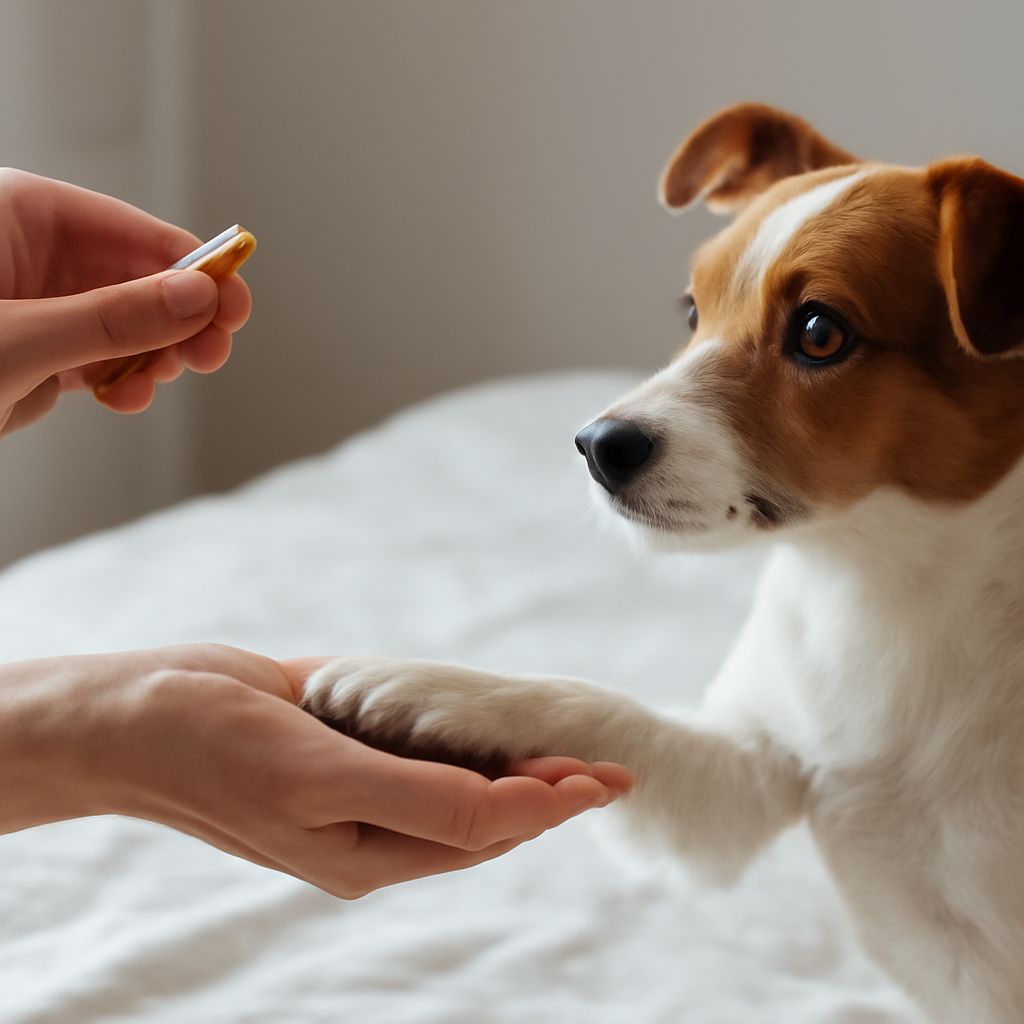
Ask your dog to sit. Once seated, hold a treat in your closed hand and place it just below the dog’s elbow height. Most dogs will nose the hand first, then paw at it. The moment a paw lifts even slightly, mark with a clicker or a verbal marker and open your hand to deliver the treat. Repeat five to ten times in this session.
Once the dog lifts its paw consistently toward the closed hand, shift to presenting an open hand at the same height. The dog will offer the paw into your palm. Mark and treat. After two or three sessions at this stage, add the verbal cue “shake” just before you extend your open hand. Within a week of short daily sessions, most dogs respond to the spoken cue alone without the hand prompt.
Choosing Treats That Work for Training
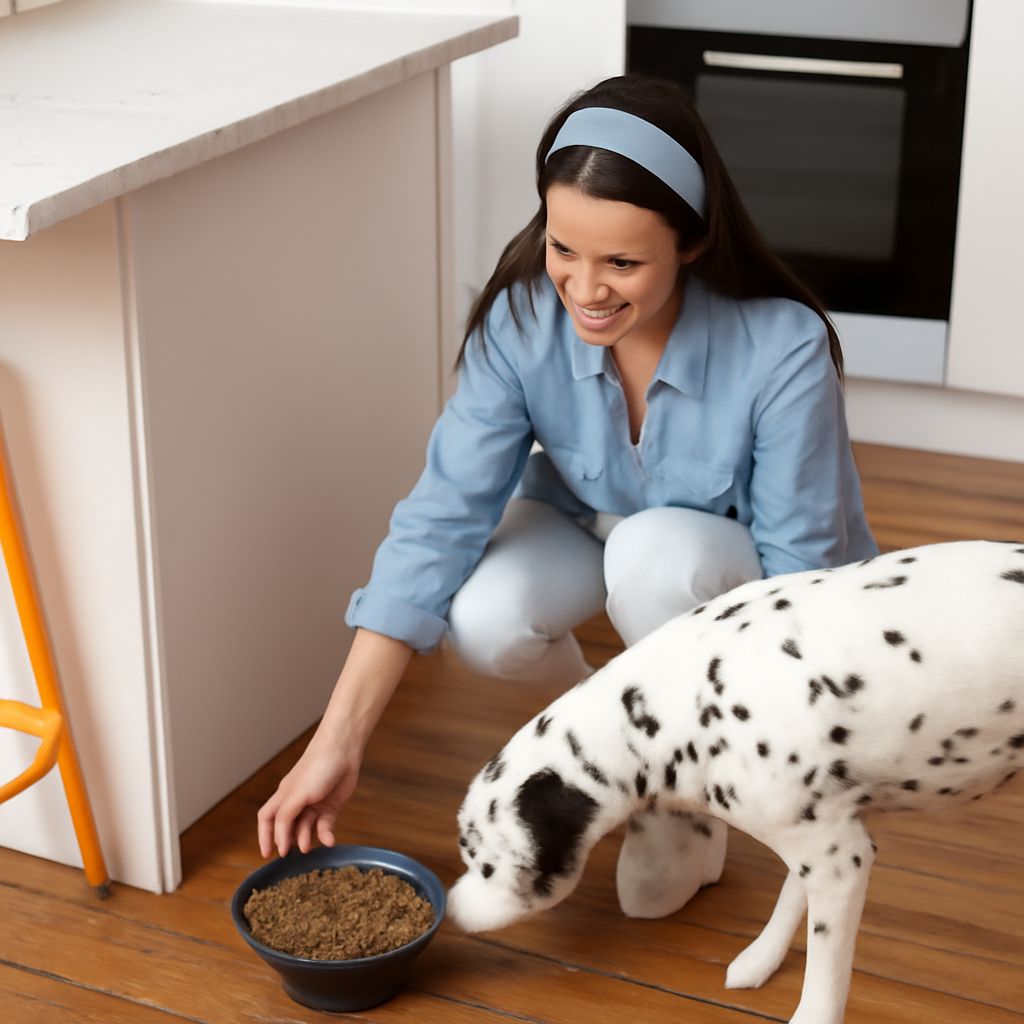
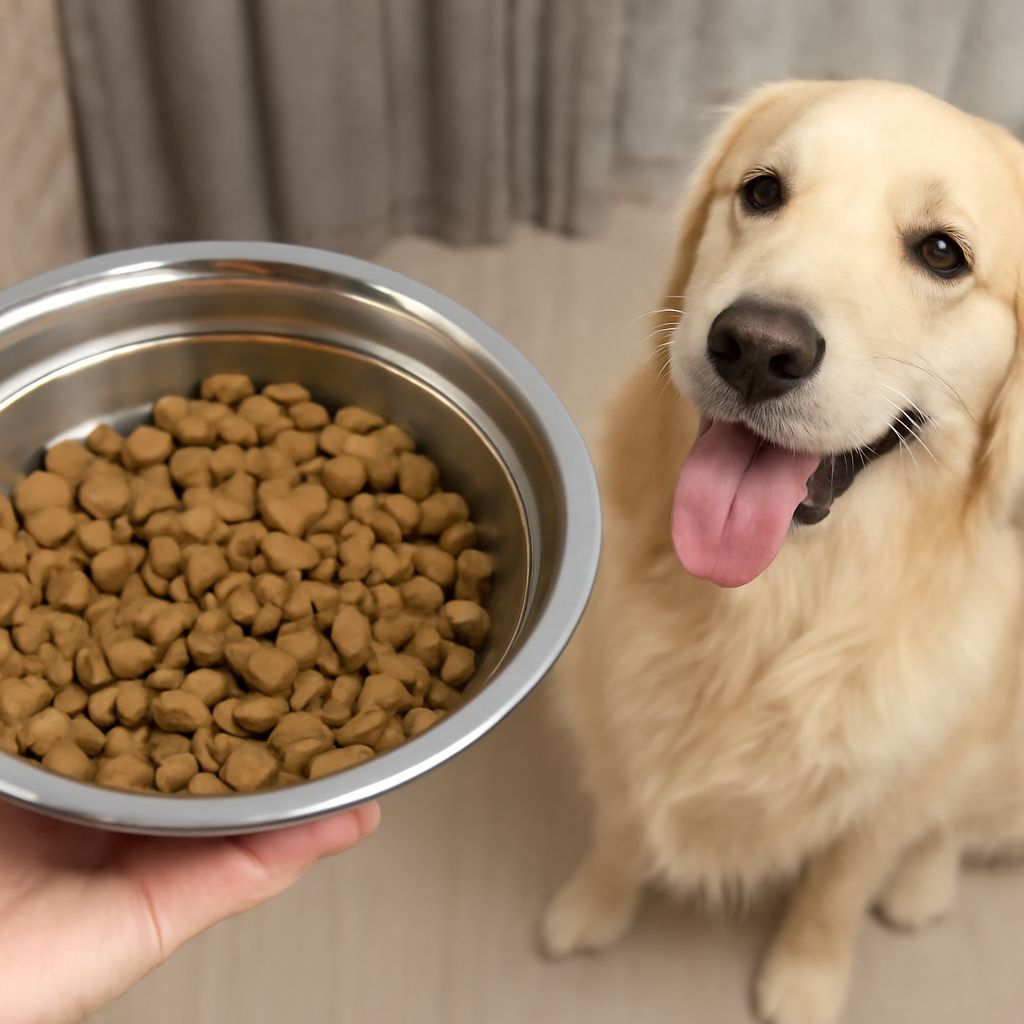
Training treats need to be small, soft, and high-value enough to keep the dog’s attention. For dogs with grain sensitivities, a grain free dog treats recipe using sweet potato and turkey, or salmon and chickpea, delivers a palatable reward without triggering digestive upset. Commercial grain-free training treats are widely available, but homemade versions let you control ingredients precisely.
A simple grain-free treat: mix one cup of chickpea flour, one mashed banana, and two tablespoons of peanut butter. Roll into pea-sized balls and bake at 350 degrees for 12 minutes. These store in the refrigerator for up to five days. Keep training treats to no more than ten percent of the dog’s daily calorie intake to avoid weight gain during intensive training periods.
Common Problems and How to Fix Them
Dogs that paw aggressively rather than placing their paw gently need a duration element added. Ask for the paw, then hold it for one second before marking, gradually extending the hold. Dogs that refuse to offer a paw at all may be touch-sensitive around their feet. Spend a week handling paws during calm moments, touching between toes and lifting each foot briefly, before returning to the shake training sequence. Pair each foot touch with a treat to build a positive association. If a dog shows pain responses when its paws are lifted, a veterinary exam to rule out joint or nail issues is the appropriate next step before continuing training.