Many dog owners often panic at the sight of an engorged tick on a dog, worrying about the potential health risks to their beloved pet. However, understanding what causes these pests to latch onto your canine and how to deal with them can alleviate much of this concern. It’s crucial to be informed about deer ticks on dogs, as these parasites pose specific threats to your pet’s well-being. By learning about the risks and prevention techniques for these pests, you can better protect your furry friend.
Ticks, especially the engorged deer tick on a dog, are more than just a nuisance. They can cause infections and transmit diseases that affect both pets and humans. Knowing how to recognize an engorged dog tick and taking steps to remove it safely can prevent complications. This article will guide you through identifying, removing, and preventing ticks to ensure your pet stays healthy.
What Causes an Engorged Tick on a Dog?
Engorged ticks occur when these parasites successfully attach to a host and feed on its blood. Ticks, including the common dog tick and the deer tick, find their way onto dogs while the animals are outdoors. These parasites often inhabit grassy areas, wooded regions, and other places where they can easily latch onto a passing animal. Once attached, ticks can feed for several days, becoming engorged as they ingest more blood.
Several factors contribute to tick infestations. Warm temperatures, high humidity, and dense vegetation provide ideal conditions for ticks to thrive. Dogs that spend time in these environments are at a higher risk of encountering ticks and bringing them home. Regularly checking your dog for ticks after outdoor activities can help catch these parasites before they become engorged.
How to Identify an Engorged Deer Tick on Your Dog
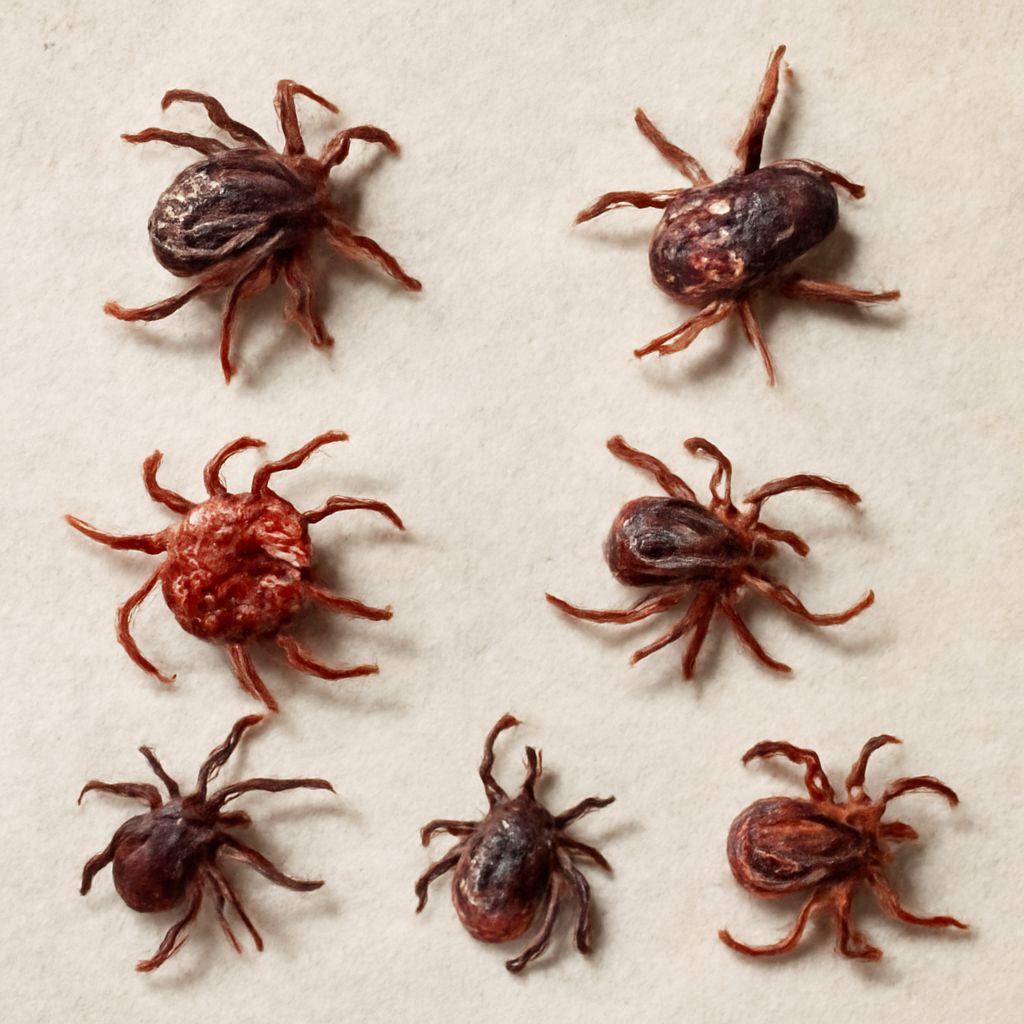
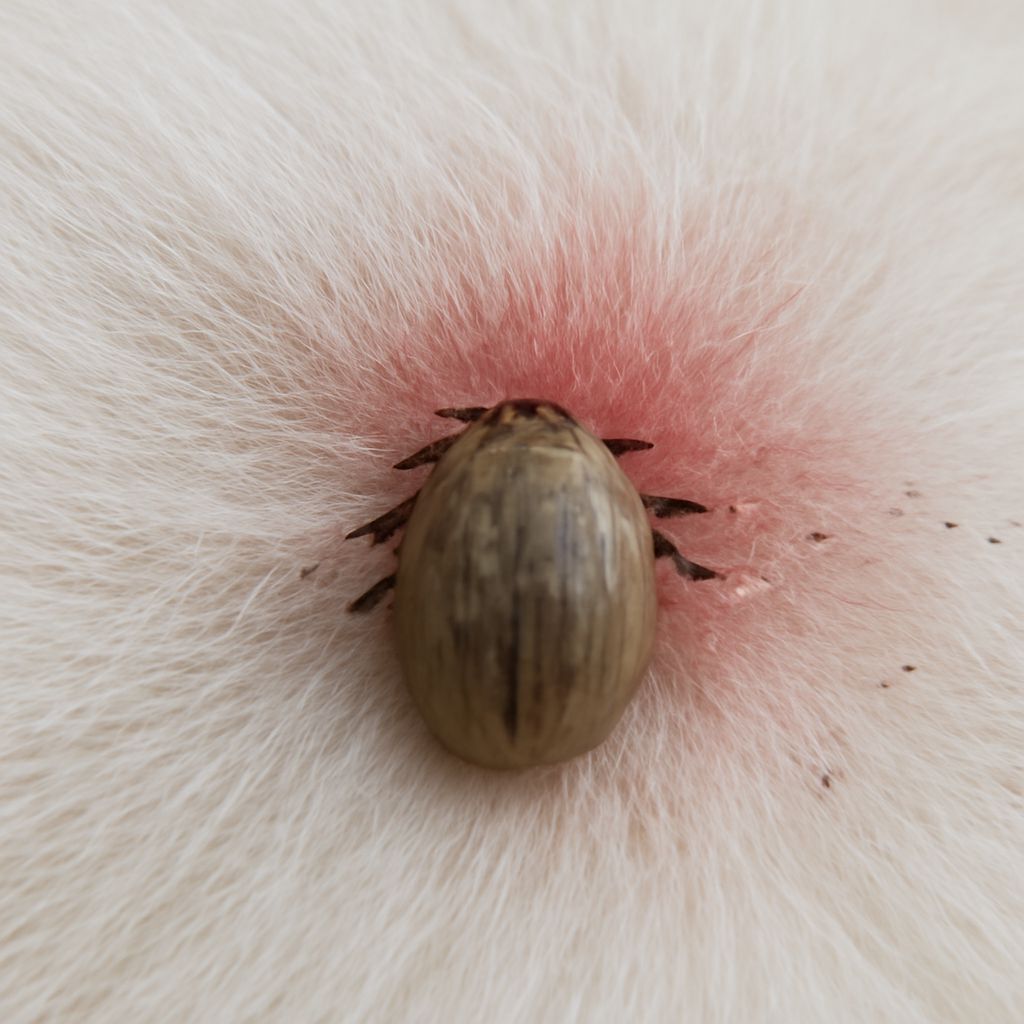
Recognizing an engorged tick on your pet is essential for prompt removal. An engorged deer tick appears significantly larger than an unfed tick, often resembling a small, rounded bean attached to the skin. The color of an engorged tick can vary from grayish to a pale blue. Typically, these ticks hide in areas where the dog’s fur is thinner, such as the ears, neck, and underbelly.
To identify ticks effectively, regularly inspect your dog’s skin by parting the fur and feeling for bumps. If you notice an unusual lump, examine it closely to determine whether it is a tick. Early detection is important in preventing the transmission of diseases such as Lyme disease, which is commonly spread by deer ticks.
Steps to Safely Remove an Engorged Tick That Fell Off Your Dog
If you find an engorged tick that has detached from your dog, proper disposal is crucial to prevent further infestation. First, if the tick is still alive, use fine-tipped tweezers to grasp it as close to the skin’s surface as possible. Pull the tick out with steady pressure, avoiding twisting or crushing it. After removal, clean the bite area with antiseptic.
If the tick has already fallen off, seal it in a plastic bag for identification purposes, particularly if your dog shows signs of illness. Monitoring your pet for symptoms such as fever, lethargy, or joint pain after a tick bite is crucial. If any of these symptoms occur, consult a veterinarian promptly.
Preventing Engorged Ticks on Dogs
Prevention is the most effective strategy against tick infestations. Various preventative measures can reduce the risk of ticks latching onto your dog. Regular use of veterinarian-recommended tick preventatives, such as topical solutions, collars, or oral medications, can effectively deter ticks. Be sure to follow all product instructions for maximum efficacy.
Maintaining your yard can also help in reducing tick populations. Keep grass short, remove leaf litter, and create a barrier between wooded areas and your yard with mulch or gravel. Additionally, minimizing your dog’s exposure to dense vegetation during peak tick season can further decrease the risk of encountering ticks.
Bottom line: Understanding how to identify and manage ticks on your dog is essential for their health and well-being. By taking preventative measures and knowing how to safely remove these pests, you can protect your pet from the risks associated with an engorged tick on a dog.