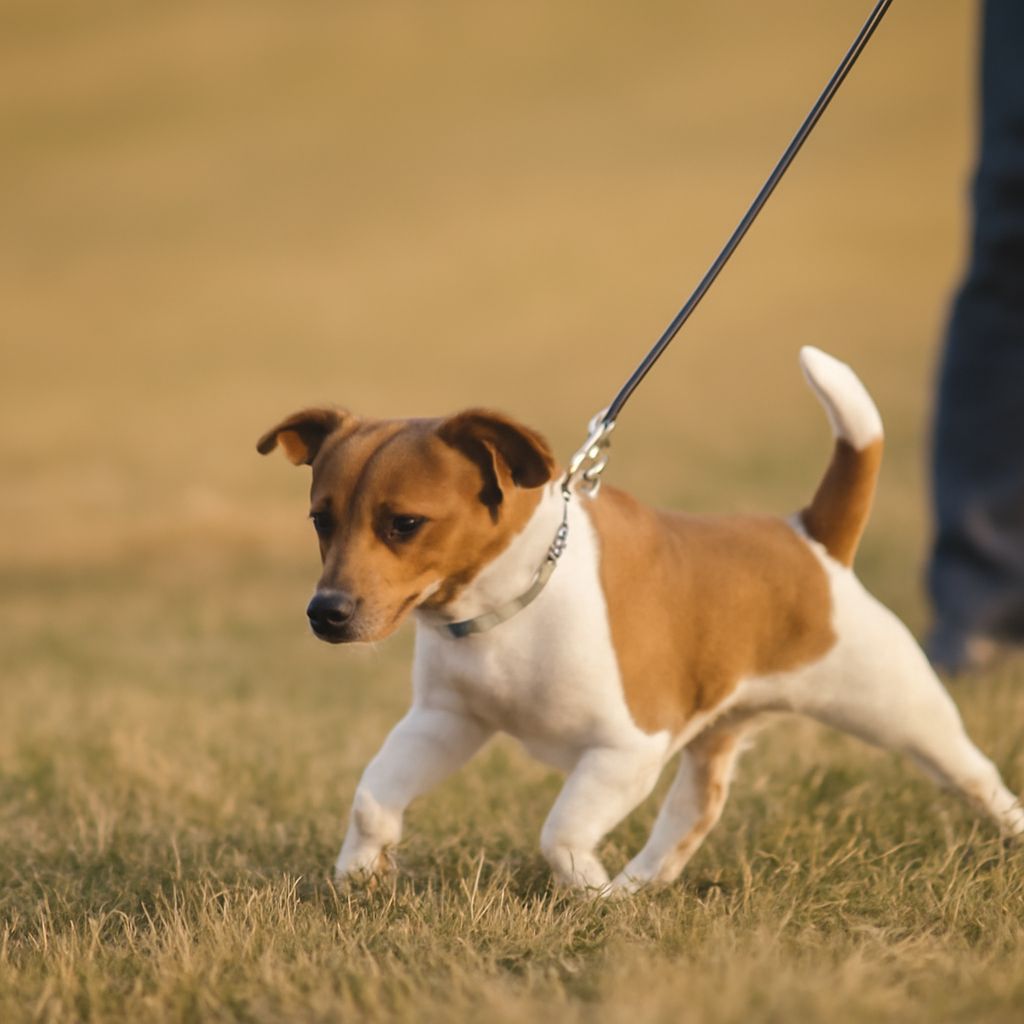
It is a common belief that training a dog to walk calmly on a leash is an innate skill for seasoned dog owners. However, the truth is, many dog owners struggle with their dog pulling on the leash. This issue isn’t always due to inexperience; even the most devoted pet parents may find their dog pulling on the leash despite their best efforts. If you’ve tried everything from training sessions to online advice, it’s crucial to understand that leash pulling can be corrected with the right techniques and equipment.
In this article, you will discover how to stop your dog from pulling on the leash effectively by exploring the reasons behind this behavior and discovering practical solutions. We will also delve into various gear options to help you if your dog pulls on the leash and you’ve tried everything else.
Understanding Why Dogs Pull on Leashes
Dogs often pull on leashes due to a natural inclination to explore their environment quickly. The world is full of scents and sights that are irresistible to a curious pup. Additionally, dogs may pull out of excitement or to greet other animals and people. Understanding these motivations is the first step to addressing the issue effectively.
Another reason for leash pulling could be improper leash training. Dogs are not born knowing how to walk nicely on a leash—it is a learned behavior. Without consistent training, even mature dogs may continue to pull. In some cases, the behavior is reinforced by the owner’s response, such as inadvertently rewarding the pulling by allowing the dog to move forward.
Effective Techniques to Stop Dog from Pulling on Leash
To stop a dog from pulling on the leash, consider implementing positive reinforcement techniques. Reward your dog when they walk beside you without pulling. This could involve using treats or verbal praise to encourage the desired behavior.
Consistency is key. Ensure every walk involves the same commands and expectations. If your dog starts to pull, stop walking and stand still. Only resume walking once the dog returns to you and the leash is slack. This method helps the dog associate pulling with a lack of progress and encourages them to walk calmly without pulling.
Consider enrolling in a professional dog training class. Sometimes, expert guidance is beneficial, especially if you find it challenging to manage the behavior alone. A professional trainer can offer tailored advice and practical demonstrations that are invaluable, particularly for persistent cases.
Exploring Gear Options for Dogs That Pull
If you’re still struggling with a dog pulling on the leash, gear can make a significant difference. Various products are designed specifically to address this issue. A no-pull harness, for example, redistributes weight across the dog’s body, reducing the ability to pull effectively.
An alternative is using a head collar, which gently directs the dog’s head back towards you when they begin to pull. This type of collar requires some acclimation, but many find it an effective tool in their training arsenal.
Leashes with extra length can also provide more flexibility, allowing the dog space to explore without pulling. However, it is important to use them judiciously in safe, open areas away from traffic or other hazards.
For dogs that pull on the leash despite your efforts, you may wish to consult with a licensed dog behaviorist. They can assess your specific situation and suggest advanced strategies tailored to your dog’s unique needs.
Bottom line: Teaching a dog to stop pulling on the leash requires patience, consistency, and sometimes, the right gear. Understanding the reasons behind your dog’s pulling behavior and employing effective techniques can dramatically improve your walking experience. Don’t hesitate to seek professional advice if you continue to face challenges.