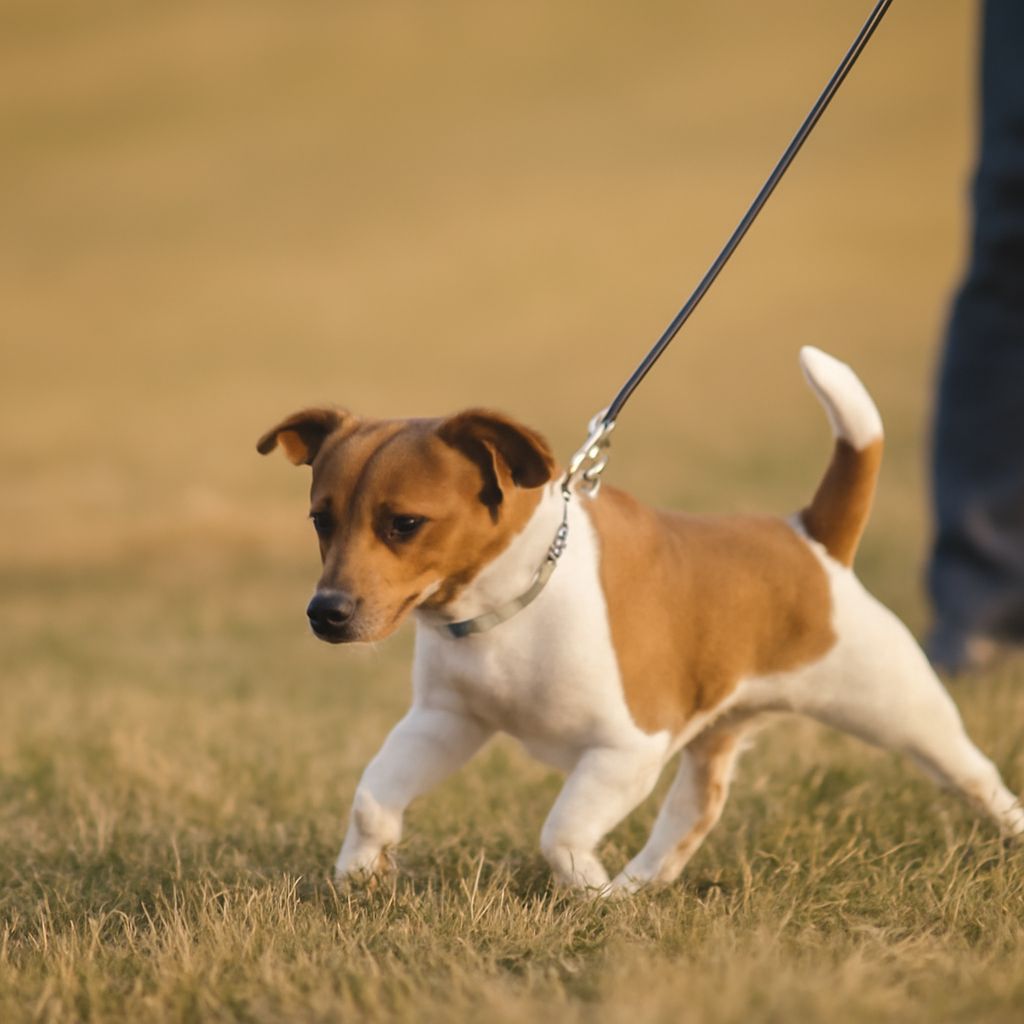
Many dog owners believe that traditional collars are the only way to control their pets, but head harness dog accessories offer an alternative worth considering. Far from being a restrictive measure, a dog head halter, which integrates seamlessly with a well-designed head harness, can provide better guidance and control, especially for energetic breeds. Understanding the dog anatomy chart and dog muscular system can help pet owners make an informed choice about these accessories, ensuring they select the right dog head harness to suit their pet’s needs.
The dog head harness is not merely a tool for control but an aid in communication between the owner and their dog. By using the head halter, owners can steer their pets gently, guiding them without causing discomfort. This article will explore the intricacies of dog head halters, why they are beneficial, and how a comprehensive understanding of dog anatomy can enhance their use.
What Is a Dog Head Halter and How Does It Work?
A dog head halter is a specialized piece of equipment that fits over a dog’s head, similar in appearance to a horse halter. This design allows for control over the head, which in turn leads to effective steering of the dog’s entire body. Unlike traditional collars that apply pressure to the neck, head halters distribute pressure across the nose and neck, providing a humane way to guide your dog.
These halters are particularly useful for dogs that tend to pull on the leash. By redirecting their forward motion, head halters encourage dogs to focus on their handler, thus promoting better behavior during walks. While it may take some time for a dog to get used to wearing a head halter, the comfort and control they offer make them a popular choice among informed pet owners.
Why Choose a Head Harness for Your Dog?
Opting for a head harness can be a game-changer for walking experiences. Unlike traditional collars, a head harness provides gentle control over the dog’s movements, making it easier to manage excitable or large breeds. The head harness directs the dog’s gaze and, consequently, their path, allowing for smoother and safer walks.
Head harnesses are particularly beneficial for training purposes. Trainers emphasize the importance of a calm and collected dog, and a head harness aids in achieving this by reducing pulling and lunging behaviors. By leveraging the anatomy of the dog, the harness applies pressure in a way that encourages cooperation without causing harm.
Moreover, for dogs with respiratory issues or those prone to neck injuries, a head harness is a safer alternative, as it avoids placing pressure directly on the throat.
Understanding the Dog Muscular System and Anatomy
A nuanced understanding of the dog muscular system and anatomy is crucial when selecting a head harness. The muscular structure of a dog determines how they move and respond to external stimuli. By consulting a dog anatomy chart, owners can better understand how the harness will interact with their pet’s body.
Dogs have a complex system of muscles that support movement and stability. A well-fitted head harness respects the dog’s natural posture and movements, ensuring that the animal is comfortable and not hindered. Pet owners are advised to seek guidance from a licensed stylist to ensure the harness fits properly, particularly if they are unfamiliar with canine anatomy.
Additionally, understanding where the pressure points are on a dog’s body can help owners adjust the harness for optimal comfort and control. This knowledge not only improves the walking experience but also enhances the bond between pet and owner.
Key takeaways: A dog head halter offers a gentle alternative to traditional collars, providing better control and training potential. By understanding dog anatomy, owners can select and adjust a head harness for optimal comfort and effectiveness. Always ensure that the fit is correct to prevent discomfort or injury.