Barking is a natural form of communication for dogs, yet excessive barking can become a nuisance that frustrates pet owners and neighbors alike. Many believe that stopping a dog from barking requires harsh methods or punishment, but that myth is far from the truth. The key lies in understanding your dog’s behavior and employing positive reinforcement techniques. This article will guide you on how to get a dog to stop barking using effective strategies that respect your pet’s natural instincts.
Contrary to popular belief, a dog’s vocal expressions are not just random noise. To train a dog not to bark, one must first decipher why the barking occurs. Whether it’s attention-seeking, responding to environmental stimuli, or signaling discomfort, recognizing the cause is crucial. By addressing the root cause, you can stop barking dog issues more effectively.
Understanding Why Dogs Bark
Dogs bark for a variety of reasons, and understanding these can help modify their behavior. Barking can be a response to boredom, anxiety, or a reaction to external stimuli such as other animals or passing cars. Some dogs bark to alert their owners to perceived threats, while others may do so as a form of greeting.
Recognizing the context of each barking incident is essential. If a dog barks due to boredom, providing mental stimulation and physical exercise can alleviate the issue. Anxiety-induced barking might require a more sensitive approach, such as calming exercises or desensitization techniques.
How to Train a Dog Not to Bark
Training a dog not to bark involves consistency and patience. Start by identifying triggers that cause your dog to bark excessively. These triggers can range from the sound of the doorbell to the sight of another dog.
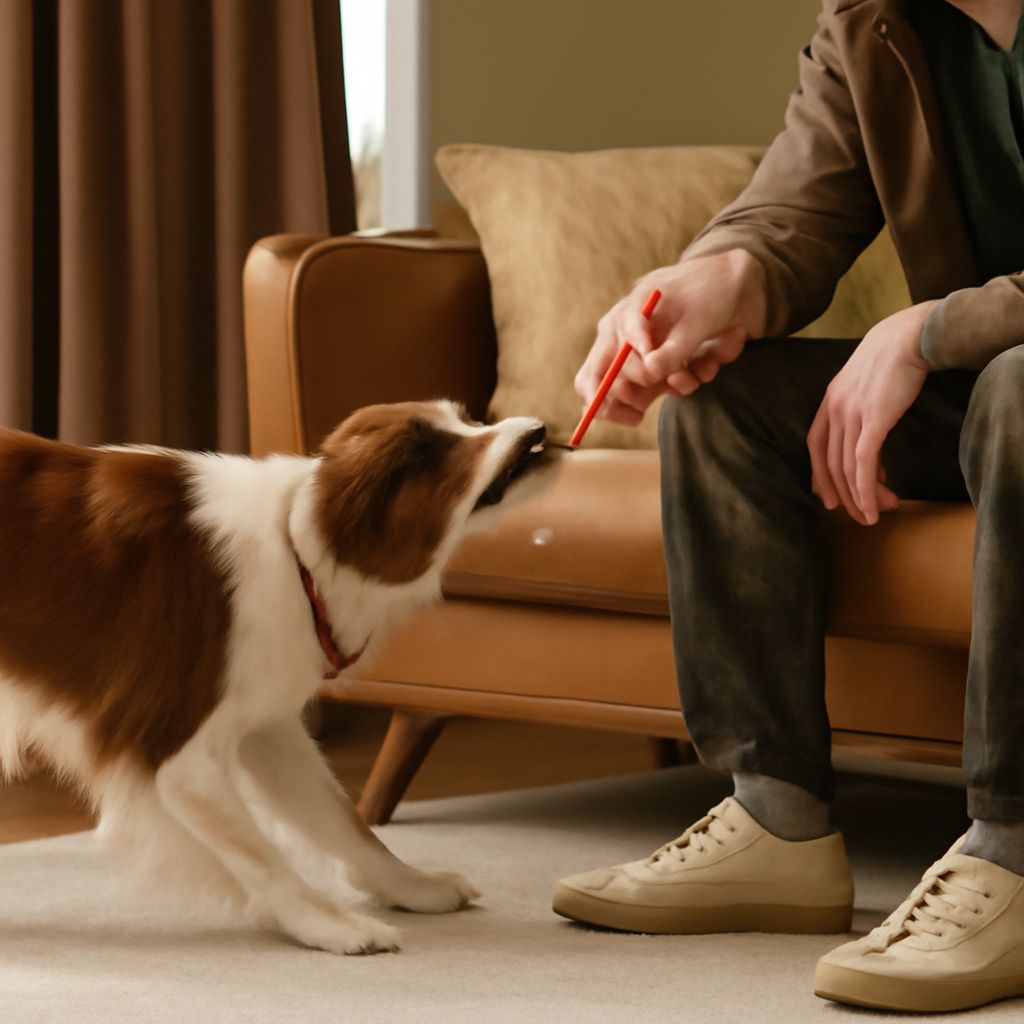
Once triggers are identified, use positive reinforcement to encourage quiet behavior. When your dog refrains from barking, reward them with treats or praise. The goal is to associate silence with positive outcomes. Implementing commands like “quiet” or “enough” can additionally help establish control over barking habits.
Techniques to Stop a Dog from Barking
Several techniques can effectively stop a dog from barking. Distraction is a useful method; redirecting your dog’s focus to a toy or activity can deter barking. Another technique is the “ignore and reward” method, where the dog’s barking is initially ignored, followed by praise when they quiet down.
Behavior modification tools, such as clicker training, can reinforce desired behaviors by making a distinct sound that signals a reward is coming. Gradually increase the duration your dog remains quiet before giving rewards to ensure the behavior is ingrained.
For persistent barking issues, consider consulting a licensed dog trainer who can provide personalized strategies tailored to your dog’s needs. Professional guidance is especially beneficial if the barking stems from complex behavioral problems or requires specialized intervention.
When to Seek Professional Help
If your efforts to stop excessive barking prove unsuccessful, it might be time to consult a professional. A dog trainer or behaviorist can offer insights into more complex issues that may not be immediately apparent to pet owners.
Severe anxiety or deeply ingrained habits often require expert evaluation. Moreover, if barking accompanies aggressive behavior or leads to distress for both the pet and owner, seeking help is advisable to ensure both safety and well-being.
Bottom line: Understanding and addressing the reasons behind a dog’s barking is fundamental in modifying this behavior. Employing positive reinforcement and consistent training can effectively teach your dog when silence is golden. If challenges persist, professional assistance can provide the needed expertise to guide your pet to more harmonious habits.