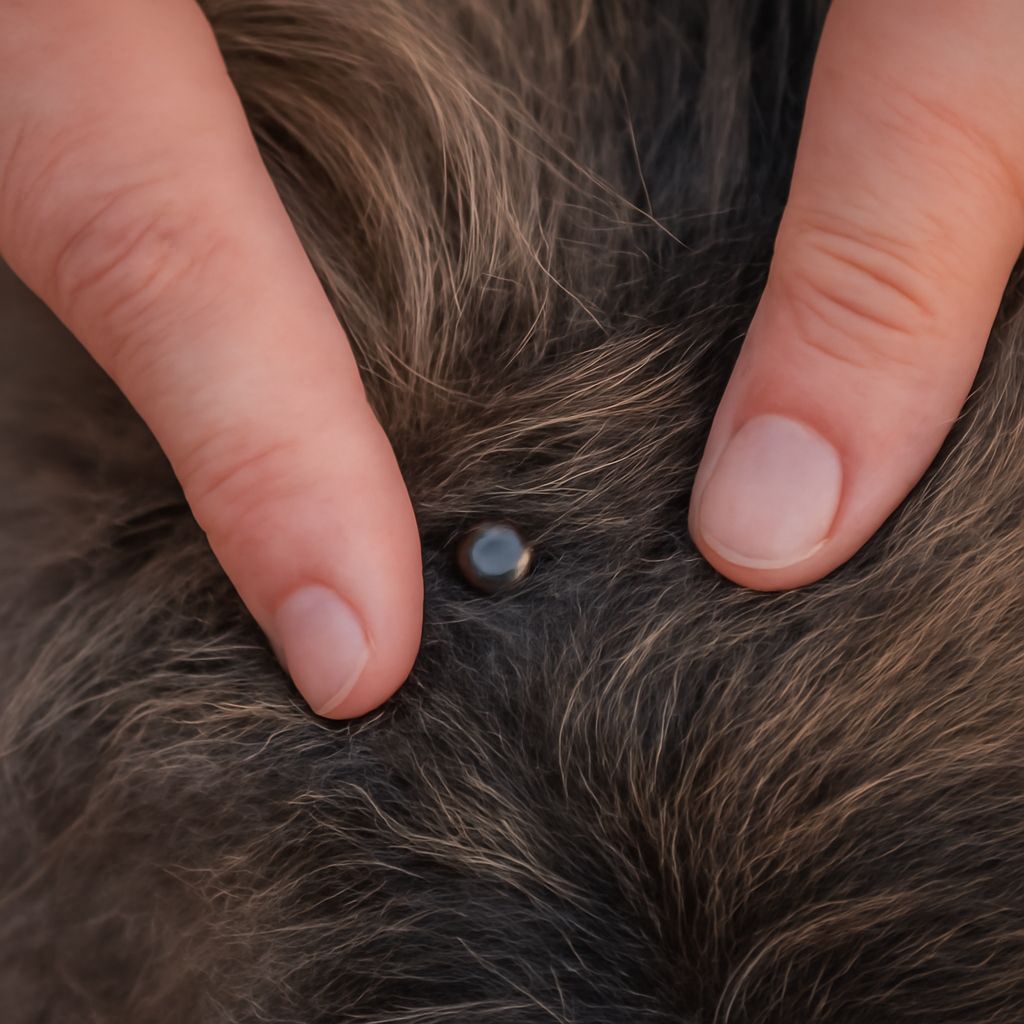
It’s a common misconception that ticks only pose a threat during the summer months. However, these persistent parasites can plague your dog year-round, making it crucial to understand how to get a tick off a dog safely. While it might seem daunting to remove a tick from a dog, it is essential for your pet’s health and well-being. Let’s dive into the myths and realities of dealing with these tiny invaders.
Another myth is that ticks are only prevalent in rural areas. In truth, ticks can be found in urban environments too, making it necessary for all dog owners to learn how to get tick off dog quickly and effectively. By dispelling these myths, you can better protect your furry friend from the risks posed by ticks.
Understanding the Risks of Ticks on Dogs
Ticks can transmit serious diseases to dogs, including Lyme disease, ehrlichiosis, and anaplasmosis. These conditions not only impact your dog’s health but can also be transmitted to humans. Recognizing the symptoms, such as fever, lethargy, and joint pain, is vital. Regularly checking your pet for ticks minimizes the risk of disease and prevents infestations.
How to Get a Tick Off a Dog
Step-by-Step Instructions
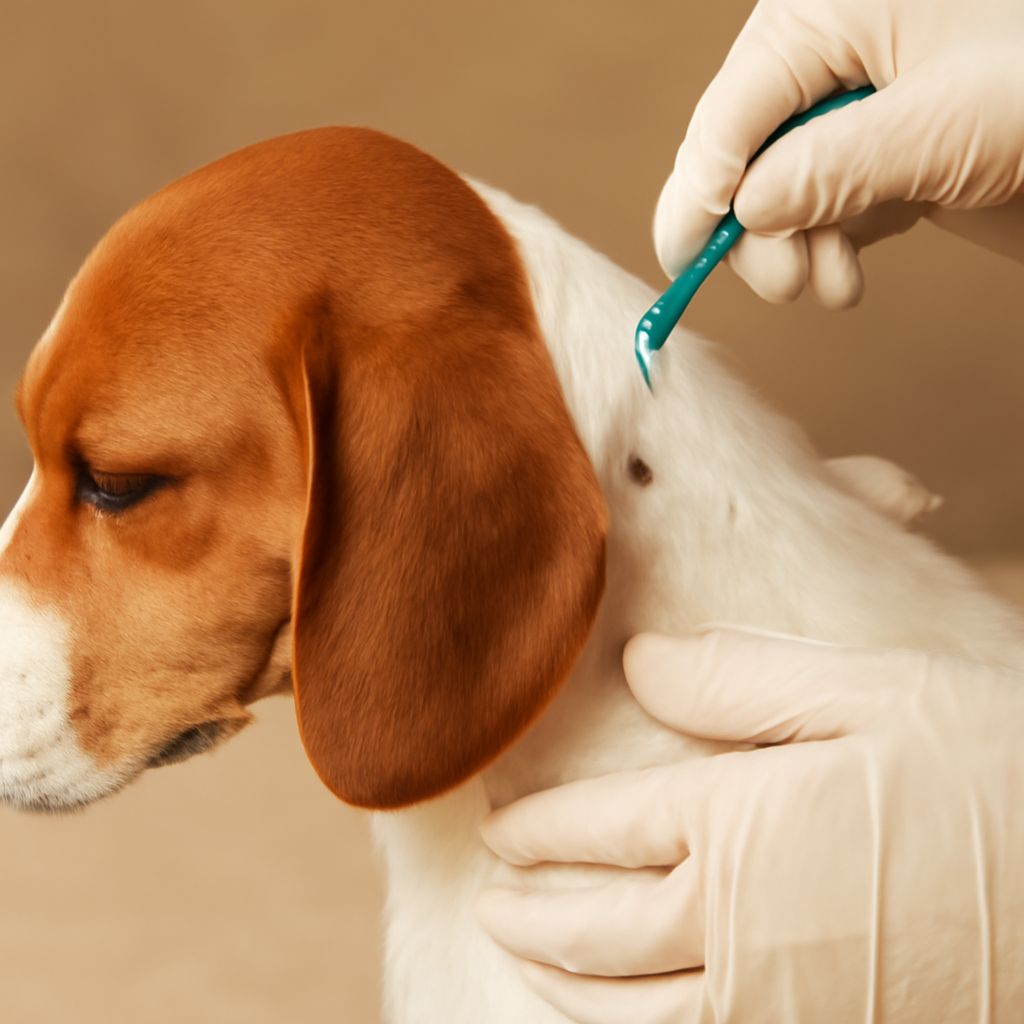
To safely remove a tick from your dog, you’ll need a pair of fine-tipped tweezers or a specially designed tick removal tool. First, ensure your pet is calm. Gently grasp the tick as close to the dog’s skin as possible. Apply steady pressure, pulling upward without twisting, to avoid leaving the tick’s mouthparts embedded in the skin. Once removed, clean the area with antiseptic and wash your hands thoroughly.
Common Mistakes to Avoid
Avoid using your fingers to remove the tick, as this can lead to crushing the tick and increasing the chance of infection. Additionally, refrain from using folk remedies like burning the tick with a match or applying petroleum jelly, as these can worsen the situation and harm your pet. Always focus on removing the tick swiftly and cleanly.
Preventing Ticks on Your Dog
Preventing tick infestations is as important as knowing how to remove them. Use veterinarian-approved tick preventatives, such as topical treatments, collars, or oral medications, which can be highly effective. Regularly check your dog for ticks, especially after walks in wooded or grassy areas. Maintaining a tidy yard by mowing the lawn and removing leaf litter also reduces tick exposure.
When to Consult a Veterinarian
While many tick removals can be handled at home, certain situations warrant a trip to the veterinarian. If a tick’s head remains embedded in the skin or if your dog shows signs of illness after a tick bite, professional medical attention is advisable. A veterinarian can also recommend the best preventive measures tailored to your dog’s specific needs and lifestyle.