There’s a common misconception that only certain animals are drawn to dog waste, but in truth, several creatures, including rats, may find it appealing. This behavior raises questions concerning potential health hazards, especially when flat worms in dog poop are involved. The presence of glycerin in dog treats and turkey meal in dog food are also factors to consider as they play a role in a dog’s overall well-being. Meanwhile, disposal methods like burning dog poop come with their own risks and considerations.
To effectively prevent and manage these issues, dog owners should be informed about the reality behind these myths. Debunking these misconceptions is crucial for ensuring safety and promoting the health of both pets and humans. Understanding the factors that attract rats, the risks posed by worms, and other related concerns can empower you to take appropriate actions.
Why Do Rats Eat Dog Poop?
Rats are opportunistic feeders, meaning they will consume any available source of nutrition, including dog feces. Dog waste contains undigested food particles and nutrients that attract rats. The scent of the feces can signal a food source, prompting rats to investigate.
Rats are drawn not just to the nutrients present but also to the warmth and moisture of the feces, which can provide a temporary shelter or breeding ground. Hence, it’s important to maintain a clean environment to mitigate this attraction. Regular clean-up and proper disposal of dog waste are crucial steps to deter these rodents.
Are Flat Worms in Dog Poop Dangerous?
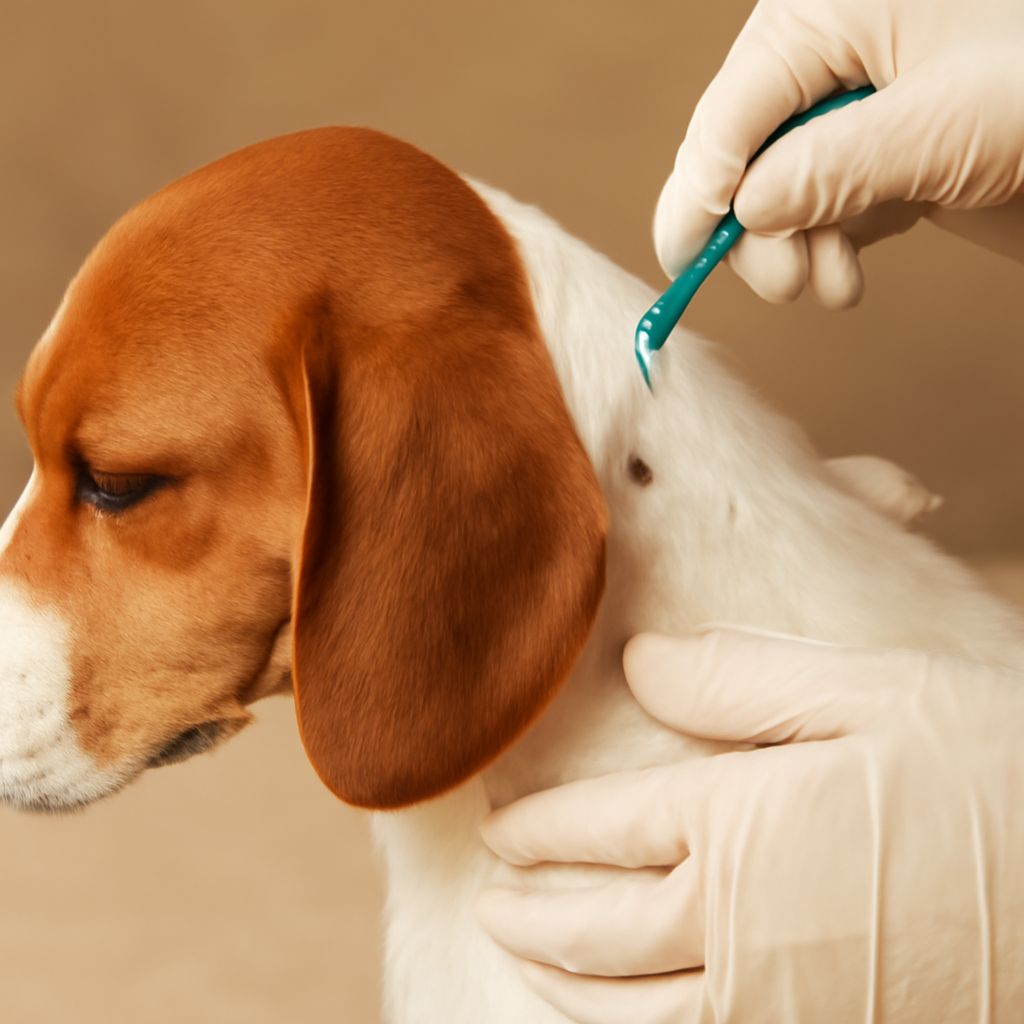
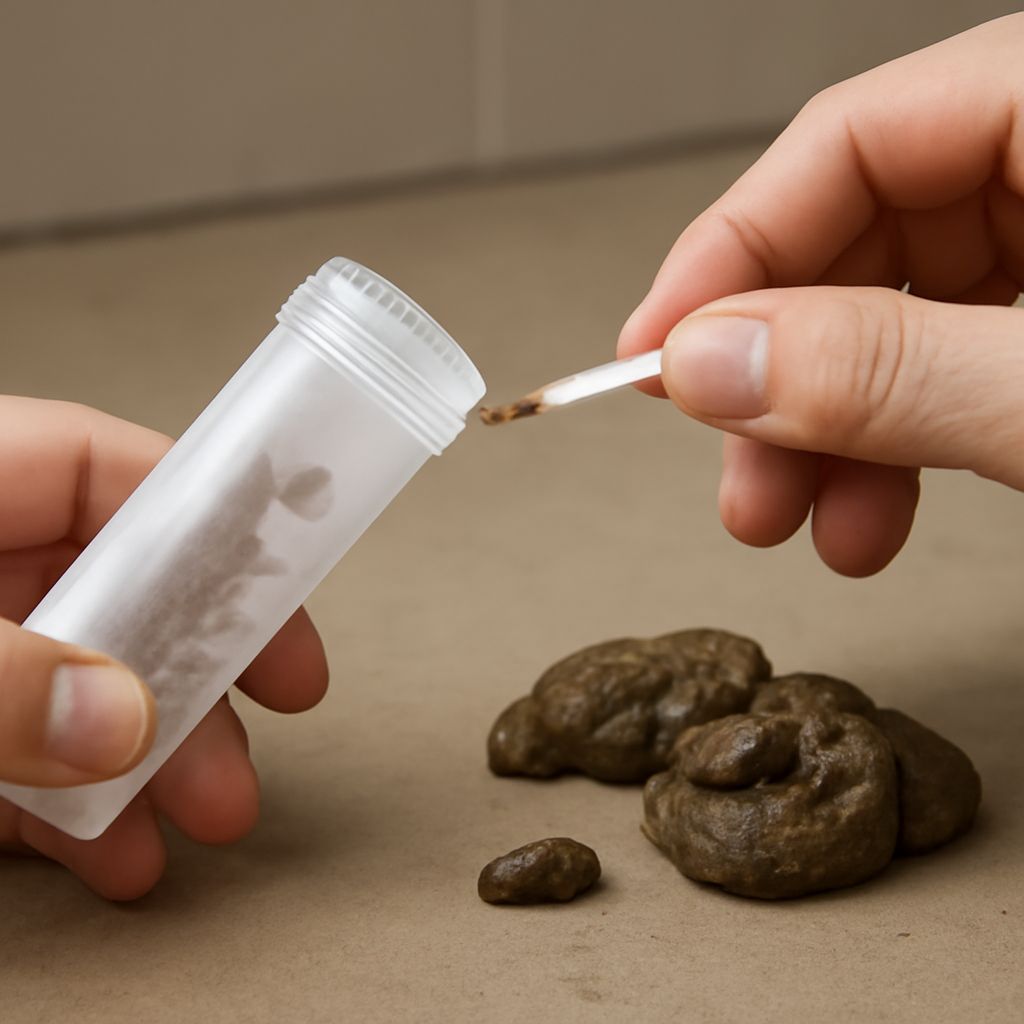
Flat worms, also known as tapeworms, pose significant health risks to dogs and potentially to humans. These parasites often reside in an infected dog’s intestines and can be identified through segments present in the fecal matter.
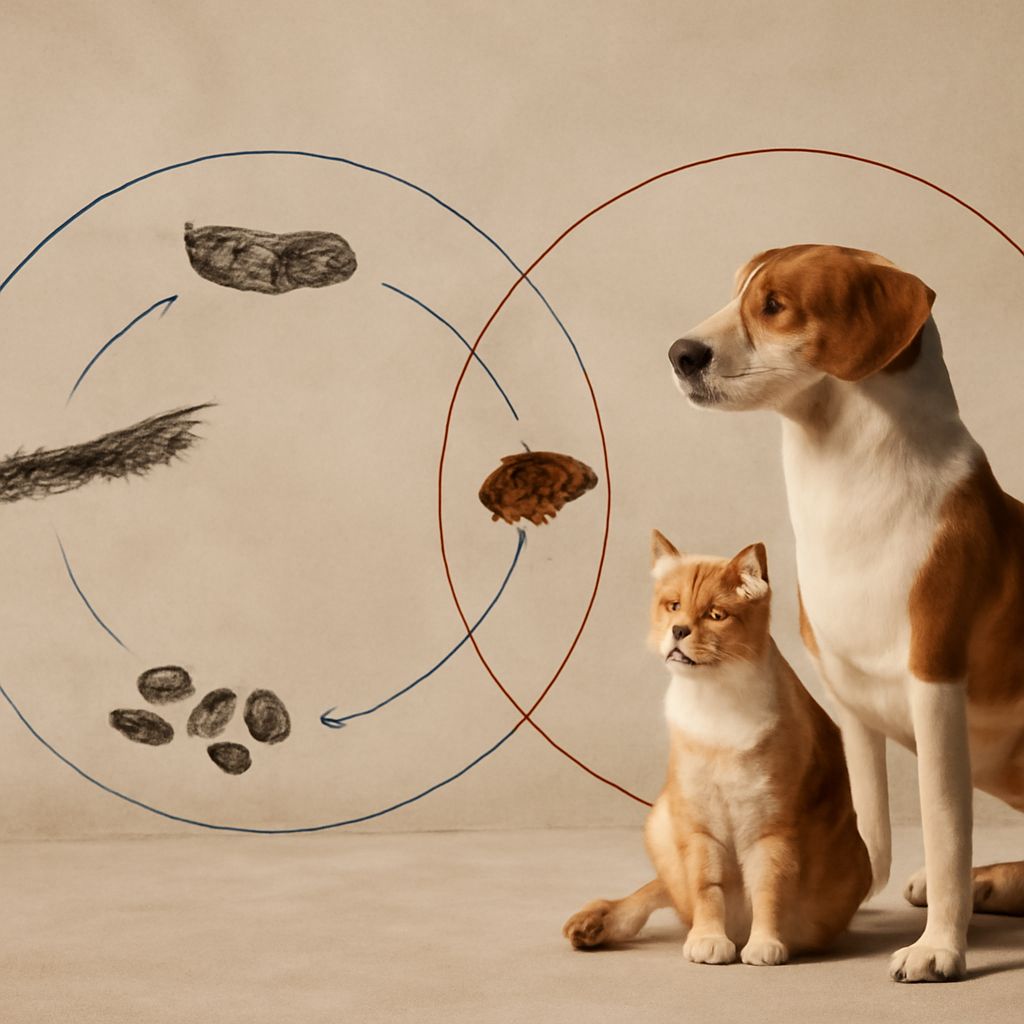
Dogs can contract tapeworms via ingestion of infected fleas or through consumption of contaminated food or water. It’s essential to monitor your dog’s health and consult a veterinarian if you notice any signs of worm infection, such as weight loss or a scooting behavior, so they can recommend appropriate treatments.
What Role Does Glycerin in Dog Treats Play in Parasite Prevention?
Glycerin, commonly found in dog treats, serves as a humectant to keep the treats moist. While glycerin itself does not directly prevent parasites, it contributes to the dog’s overall nutrition which can support the immune system.
A strong immune system is vital for dogs to combat parasitic infections. Therefore, choosing high-quality treats that contain beneficial ingredients is an essential part of maintaining your dog’s health and reducing the risk of infection.
Is Burning Dog Poop a Safe Disposal Method?
Burning dog poop is not a recommended disposal method due to safety and environmental concerns. Burning can release harmful toxins and pathogens into the air, posing health risks to humans and animals alike.
Instead of burning, consider using environmentally friendly options such as biodegradable bags for disposal. Composting is another viable alternative, but it requires careful management to ensure pathogens are effectively neutralized.
How Does Turkey Meal in Dog Food Impact Health?
Turkey meal in dog food is a concentrated protein source that can enhance a dog’s diet. It provides essential nutrients that support overall health, including muscle development and repair.
A diet with adequate protein levels is crucial for maintaining a healthy weight and supporting immune function, which in turn helps reduce susceptibility to parasitic infections. Always choose dog foods that contain high-quality protein sources to ensure your pet receives balanced nutrition.