Many dog owners are often hesitant when it comes to trimming their pet’s nails, particularly when those nails are black. The common belief is that cutting black dog nails is an impossible task due to the difficulty in seeing the quick, the sensitive part inside the nail. However, with the right techniques and a little patience, cutting black dog nails can be done safely and effectively.
Trimming dog nails is crucial for maintaining your pet’s health, preventing painful overgrowth, and ensuring they can walk comfortably. This guide will provide you with essential tips on how to trim dog nails that are black without causing injury. Read on to learn about the best practices and what to do if you accidentally cut a nail too short.
Understanding Black Dog Nails
Black dog nails differ from lighter-colored nails, primarily because the quick is not visible. The quick contains nerves and blood vessels, and cutting it can be painful for the dog. In black nails, the quick extends further down than in light-colored nails, making it essential to trim carefully to avoid injuries.
Understanding your dog’s nail anatomy will help you become more confident in clipping black nails. Pay attention to the shape of the nail, and as you cut, you may notice a small white oval starting to appear in the center—this indicates you are approaching the quick.
Preparing to Cut Black Dog Nails
Preparation is key when cutting black dog nails. Ensure you have the right tools: a good-quality pair of nail clippers designed for dogs, styptic powder to stop bleeding if necessary, and a sturdy surface for your dog to stand on. Additionally, having a helper to hold your dog can be beneficial, especially if your pet is anxious.
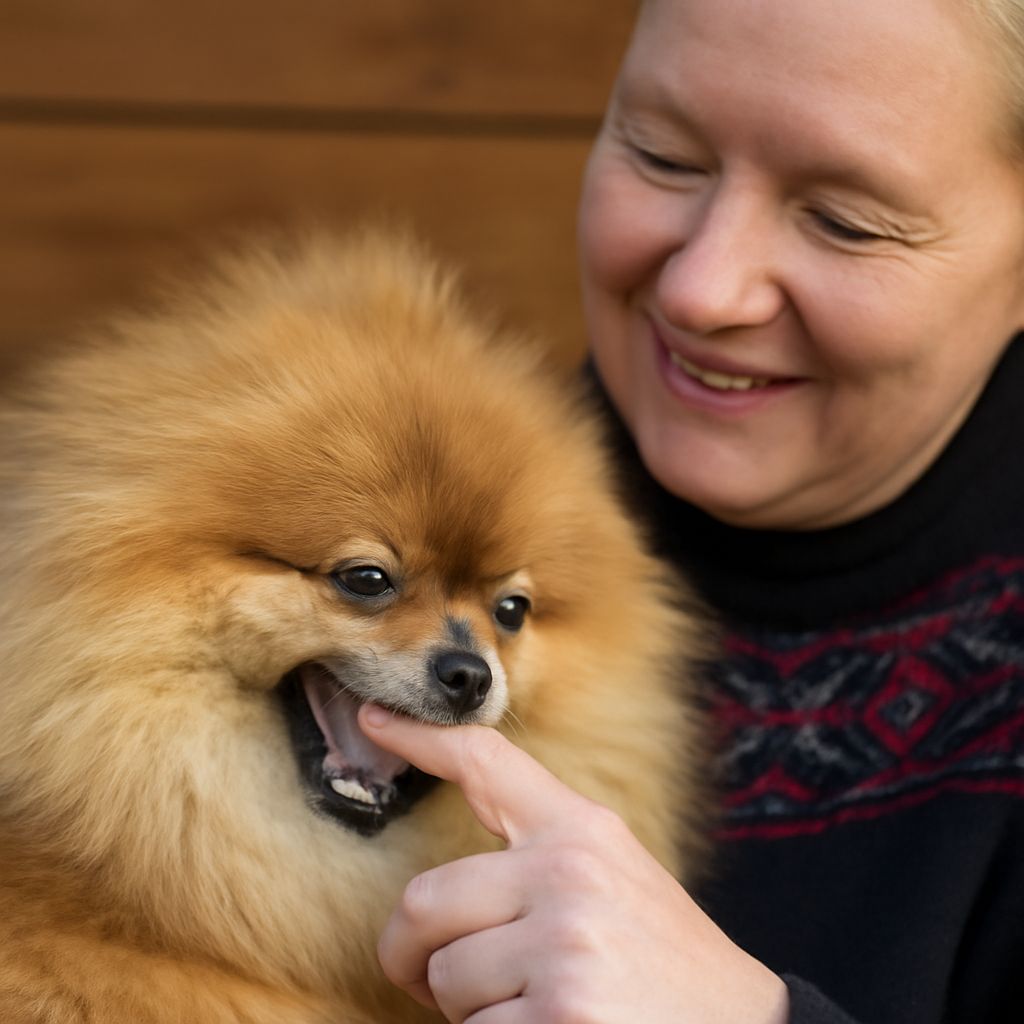
Before you begin, familiarize your dog with the nail-cutting process. Allow them to smell the clippers and gently touch their paws, rewarding them with treats to create a positive association. This preparation will ease the trimming process for both you and your dog.
Steps for Clipping Black Dog Nails
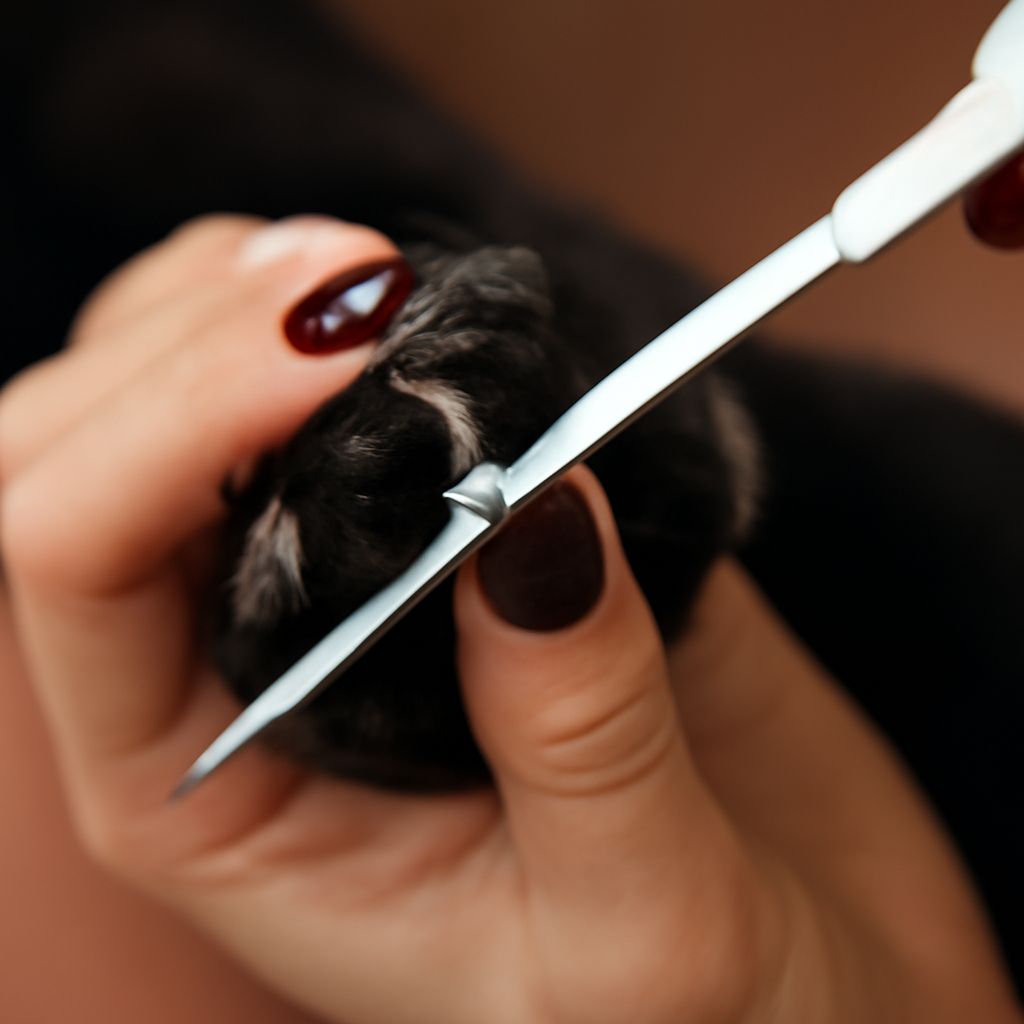
When you are ready to trim, carefully examine each nail. Begin by cutting small amounts off the tip, working slowly. It’s advisable to trim a little bit at a time rather than risking cutting too much. Observe the underside of the nail for any color change that signals nearing the quick.
If your dog appears uneasy or if you notice any signs of discomfort, pause and reassess. Patience is crucial, and it’s often useful to clip just a few nails in one sitting and take breaks to keep your dog calm and cooperative.
What to Do If You Cut Too Short
Accidents can happen, and you might cut the nail too short, causing it to bleed. If this occurs, apply styptic powder to the nail to stop the bleeding. Remain calm and reassure your dog with a soothing voice and gentle touch.
In cases of persistent bleeding or if your dog shows signs of pain or distress, consult a veterinarian. A professional can provide advice and assistance, ensuring that your dog remains healthy and comfortable.
Bottom line: Cutting black dog nails requires careful attention and a steady approach. With patience and practice, it becomes a manageable task. If in doubt or facing persistent challenges, seek guidance from a professional groomer or veterinarian.