Many people worry about the lingering effects of a PET scan, particularly when it comes to radioactivity. After undergoing such scans, one might wonder, “How long am I radioactive?” This concern extends beyond personal health, especially for pet owners who must consider the safety of their furry companions. Similarly, questions arise like how long to keep a dog off grass after fertilizing or ensuring a pet’s safety after fumigation. Understanding these aspects can help alleviate concerns and ensure a safe environment for both humans and pets.
Additionally, handling dog regurgitation after eating too fast is another common issue pet owners face. By addressing these topics, we aim to provide clear, actionable advice to ensure the health and safety of your beloved pets.
Understanding Radioactivity After a PET Scan
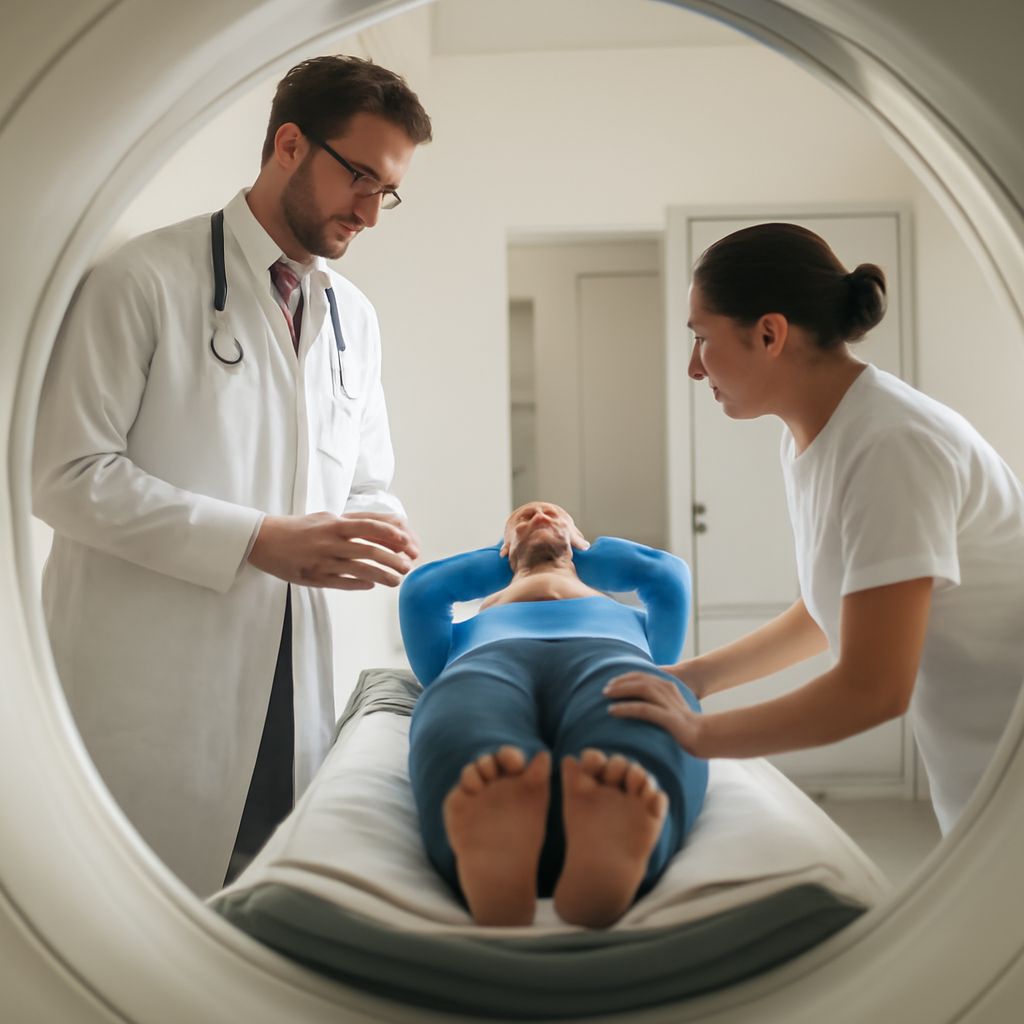
After a PET scan, the question of how long one remains radioactive is common. The radioactive material used in PET scans typically has a short half-life, meaning it decays quickly. Within a day, most of the radioactivity will have dissipated. It’s usually safe to interact with pets shortly after the scan, but exercising caution is always wise.
For those concerned about their pets’ exposure, it’s recommended to wait a few hours before close contact. This precaution minimizes any potential risk, even though the levels of radiation are generally low and not harmful. Consulting with medical professionals can provide personalized advice based on specific circumstances.
Ensuring Pet Safety After Home Maintenance
Home maintenance activities, such as fumigation or lawn fertilization, can pose health risks to pets. The question of how long to keep a dog off grass after fertilizing is crucial. Typically, waiting 24 to 48 hours allows most fertilizers to be absorbed or dissipate, making it safer for pets.
After fumigation, the primary concern is the presence of residual chemicals. Pets should be kept away from treated areas until it’s confirmed safe. This usually means waiting for several hours, ensuring proper ventilation and adhering to the guidelines provided by pest control professionals. If unsure, always consult with a licensed specialist to guarantee your pet’s safety.
Managing Your Dog’s Health: Common Concerns
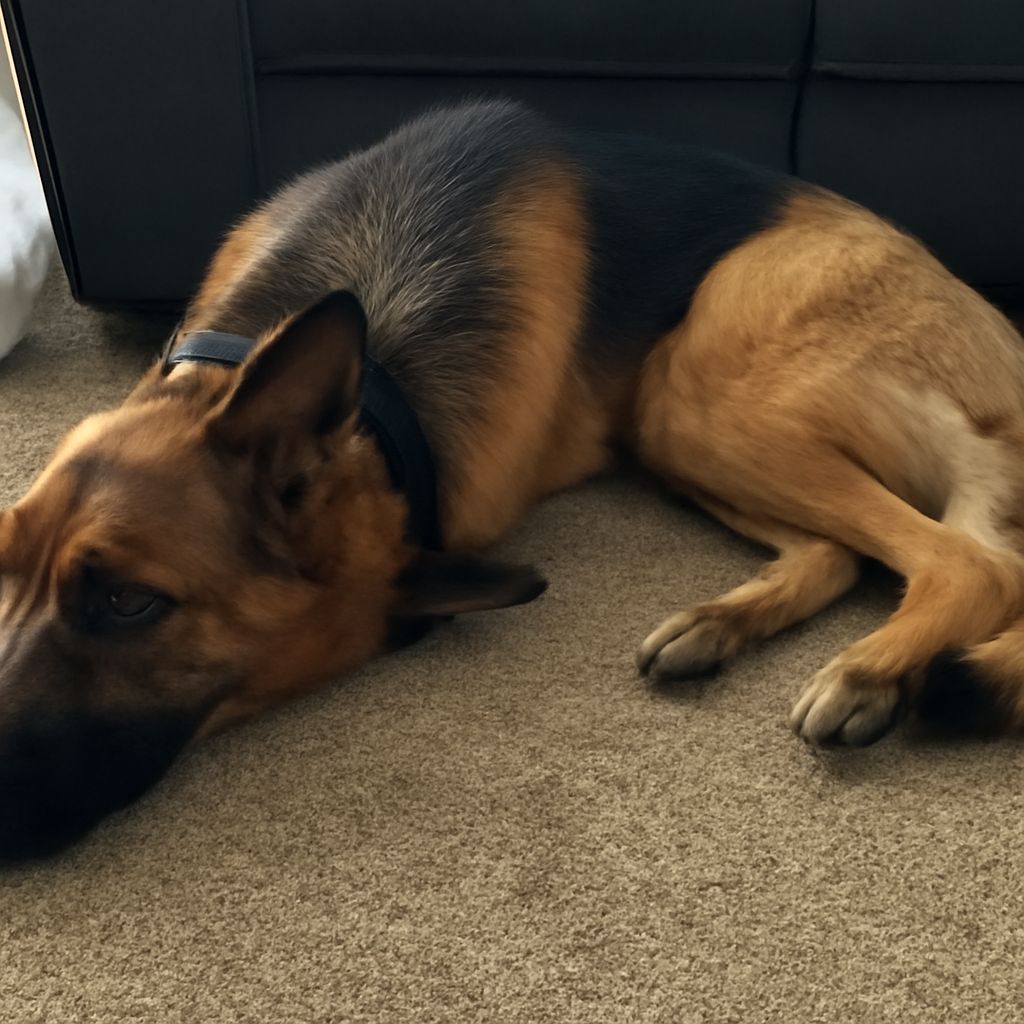
Addressing how to manage dog regurgitation after eating too fast is important for many pet owners. Fast eating can lead to regurgitation, which is different from vomiting. One effective method to prevent this is using slow-feed bowls, which encourage dogs to eat at a more controlled pace.
Regular health check-ups with a veterinarian can help identify any underlying problems contributing to regurgitation or other health concerns. It’s also beneficial to monitor the dog’s diet and adjust feeding routines as necessary. If regurgitation persists, it may indicate a more serious issue that requires professional diagnosis and treatment.
In summary, understanding the effects of PET scans, ensuring safe home environments, and managing common dog health issues are key to maintaining a healthy life for your pet. Always prioritize professional advice when dealing with more complex or persistent health issues.