It’s a common misconception that a dog’s nose should always be wet and cold. When pet owners notice their dog’s nose is dry, they often worry about health issues. However, a dry nose isn’t always a sign of illness. In fact, it’s normal for a dog’s nose to fluctuate between wet and dry due to various reasons. Understanding why a dog’s nose can be dry, including potential causes like bumps on a dog’s nose or when a dog’s nose is warm and dry, is essential for proper dog health care.
While some may immediately think a dry nose indicates a sick dog, this is not always the case. Environmental factors, health conditions, and even the dog’s age and breed can influence how moist a dog’s nose is. Let’s dive into the potential reasons behind a dog’s dry nose and learn when it’s time to seek professional advice.
Why Is My Dog’s Nose Dry?
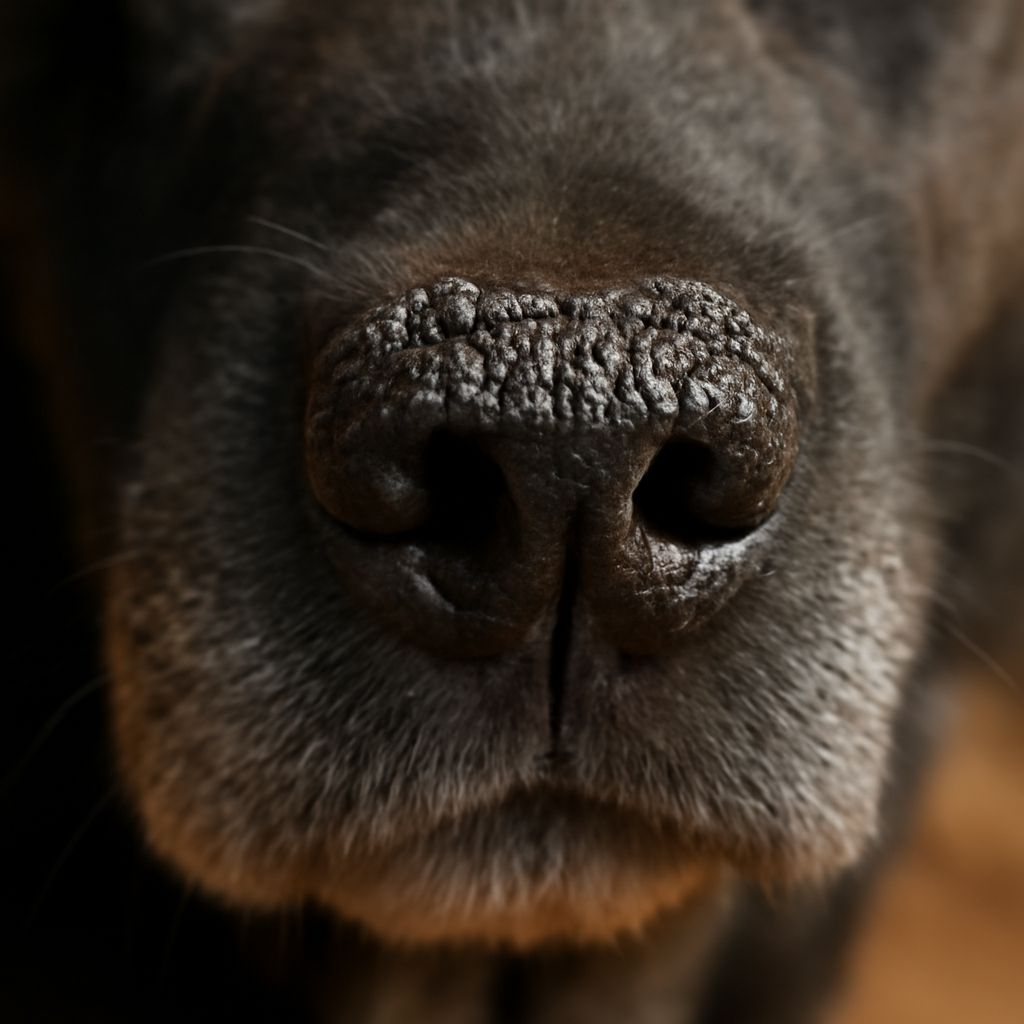
A dry nose can be perfectly normal for your canine companion. Factors such as the time of day, temperature, or even a nap can temporarily dry out a dog’s nose. A dog’s natural body temperature can also play a role; a warm dog or a dog that has been lying in the sun may have a less moist nose. It’s important to observe your dog’s behavior alongside the dryness of their nose to determine if attention is needed.
Common Causes of a Dog’s Dry Nose
Environmental Factors
Environmental conditions are a primary cause of a dry nose. If the air is dry or your dog spends time in a heated room, their nose may lose moisture. Additionally, certain seasons can affect nose moisture due to changes in humidity. To counteract these conditions, ensure your dog has access to fresh water and consider using a humidifier in dry climates.
Health Conditions
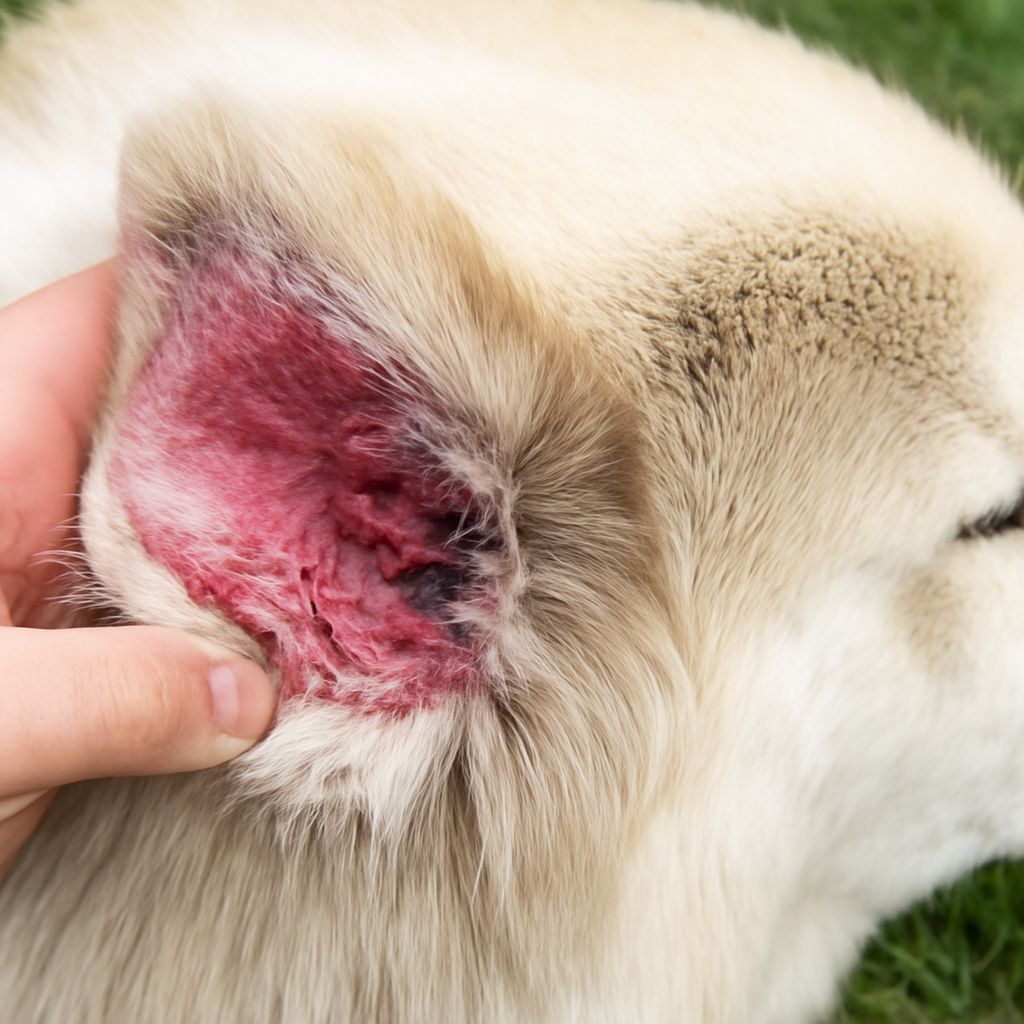
Sometimes, a dry nose can indicate underlying health issues. Conditions such as allergies, dehydration, or even autoimmune diseases can lead to dryness. If your dog appears lethargic, shows signs of discomfort, or their nose remains dry for an extended period, consulting a veterinarian is advisable. They can provide a thorough examination to rule out any serious health concerns.
Age and Breed Considerations
Certain breeds and older dogs are more prone to having a dry nose. Brachycephalic breeds, like Bulldogs and Pugs, may naturally have drier noses due to their facial structure. Similarly, as dogs age, their skin, including their nose, may become drier. Regular check-ups can help manage and treat any age-related changes effectively.
When to Worry About Bumps on a Dog’s Nose
Bumps on a dog’s nose can be concerning for pet owners. While some bumps may be harmless, such as minor scratches or insect bites, others might indicate infections, cysts, or even tumors. If you notice persistent or unusual bumps, it’s crucial to consult a veterinarian. They can determine whether the bumps require treatment or monitoring.
What Does It Mean If a Dog’s Nose Is Warm and Dry?
If you notice that your dog’s nose is both warm and dry, it may not automatically indicate illness. Dogs’ noses can become warm after exercise, when they are resting, or if they have been sunbathing. However, if the warm and dry nose is accompanied by other symptoms like vomiting, diarrhea, or changes in appetite, a vet visit is recommended to rule out potential health issues.
Safety Recap: If tools or treatments are needed to address a dry nose or any abnormalities, always prioritize your dog’s safety. Consulting with a licensed veterinarian ensures you get accurate advice tailored to your pet’s needs. Regular check-ups can help you stay ahead of any skin or nasal issues and maintain your dog’s overall health.