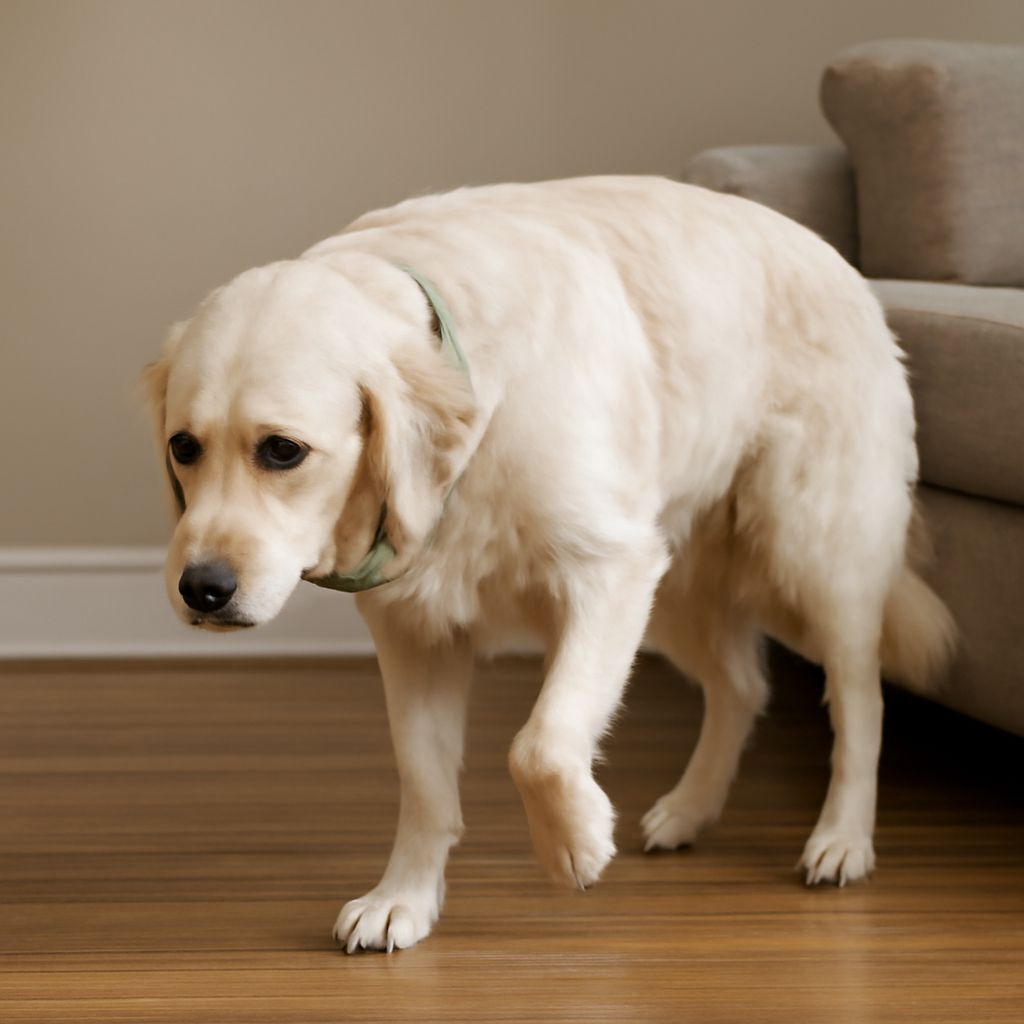
It’s a common experience for dog owners to wonder why their beloved pets snore like a miniature lawn mower. “Why does my dog snore?” you ask, as your furry friend serenades you with nocturnal sounds. Many misconceptions surround dog snoring, from attributing it solely to breed characteristics to assuming it’s harmless. However, understanding the underlying causes is crucial to ensuring your dog’s health and comfort.
Is it normal for dogs to snore? While occasional snoring can be normal, persistent or loud snoring may indicate underlying health issues. This article aims to clarify the reasons behind dog snoring and provide practical solutions for concerned pet owners.
Why Does My Dog Snore?
Dog snoring can arise from various factors, and understanding these can help owners manage or alleviate the issue. The anatomy of a dog’s airway plays a significant role. Breeds with short muzzles, such as Bulldogs or Pugs, are known to snore more due to their compact airway structures that make breathing less smooth. Additionally, the position in which a dog sleeps can contribute; some dogs snore merely because they’re lying on their back, causing their throat to relax and partially obstruct airflow.
Common Reasons Why Dogs Snore
Several factors can lead to snoring in dogs, ranging from environmental to physical causes. Firstly, allergies can cause nasal congestion, leading to snoring. Dogs are susceptible to household allergens, such as dust mites or pollen, which can inflame their nasal passages and obstruct airflow. Secondly, obesity is a prevalent cause. Overweight dogs are more likely to snore as excess fat accumulates around the throat, creating obstructions.
Another common reason dogs snore is due to respiratory issues. Conditions like a cold or respiratory infection can lead to temporary snoring by obstructing the nasal or throat passages. In such cases, consulting a veterinarian is advisable, as prolonged or severe snoring might indicate more significant health concerns.
Is It Normal for Dogs to Snore?
Snoring in dogs can be normal in certain contexts, such as during deep sleep or when lying in specific positions. However, if snoring persists or worsens, it could be a sign of health issues requiring attention. Respiratory problems, obesity, or anatomical abnormalities should be assessed by a veterinarian to prevent complications. Regular monitoring of your dog’s snoring patterns can be beneficial in determining whether it is a normal characteristic or a sign of a health concern.
Solutions to Reduce Dog Snoring
One effective way to reduce your dog’s snoring is by adjusting their sleeping environment and positions. Providing a comfortable bed that encourages side sleeping can help minimize airway obstruction. Maintaining a clean environment free of allergens is also vital. Regular cleaning and vacuuming can reduce irritants that may cause nasal congestion.
For overweight dogs, implementing a healthy diet and exercise regimen can significantly decrease snoring by reducing excess weight around the throat area. Nutrition and physical activity should be tailored to your dog’s needs and monitored closely. If necessary, consult a veterinarian to develop a suitable weight loss plan.
In cases where snoring is caused by anatomical issues or persistent respiratory problems, professional intervention may be needed. Surgical options might be available for dogs with anatomical challenges, such as elongated soft palates. Consulting a licensed veterinarian or a specialist is advisable to explore treatment options that suit your dog’s specific condition.